




A bold fraud scheme targeting millions has exploded into the open after seven suspects appeared in a Nairobi court over the Ksh60M Harambee House Scandal. Prosecutors say the group posed as powerful insiders who could secure a lucrative government tender, then vanished with funds wired by a foreign investor.
The case now exposes deep gaps in due diligence, raises fresh questions about fake procurement networks, and puts Kenya’s business credibility under scrutiny as investigators dig deeper into how the alleged syndicate operated in plain sight.
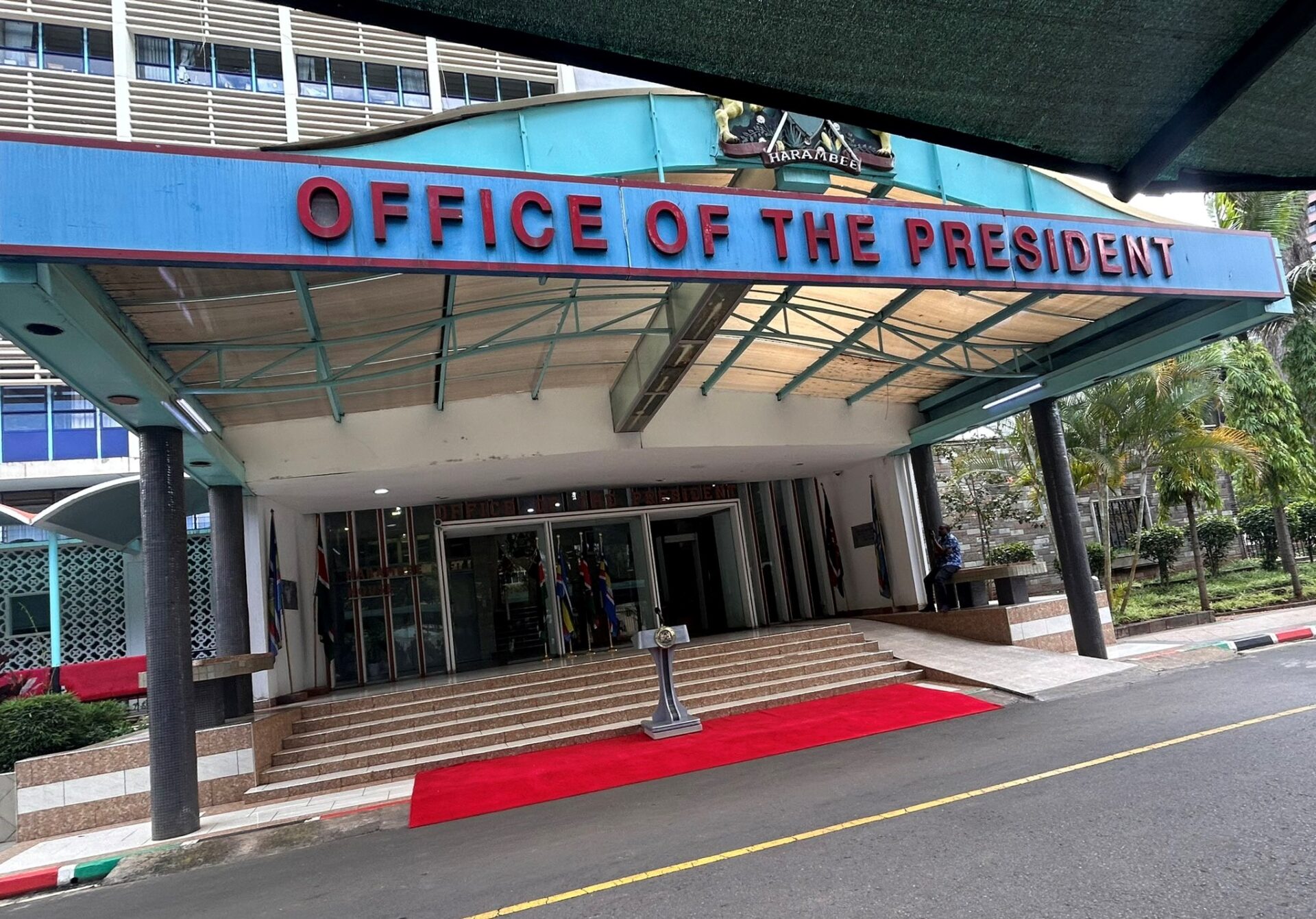
How the Ksh60M Harambee House Scandal was executed and exposed
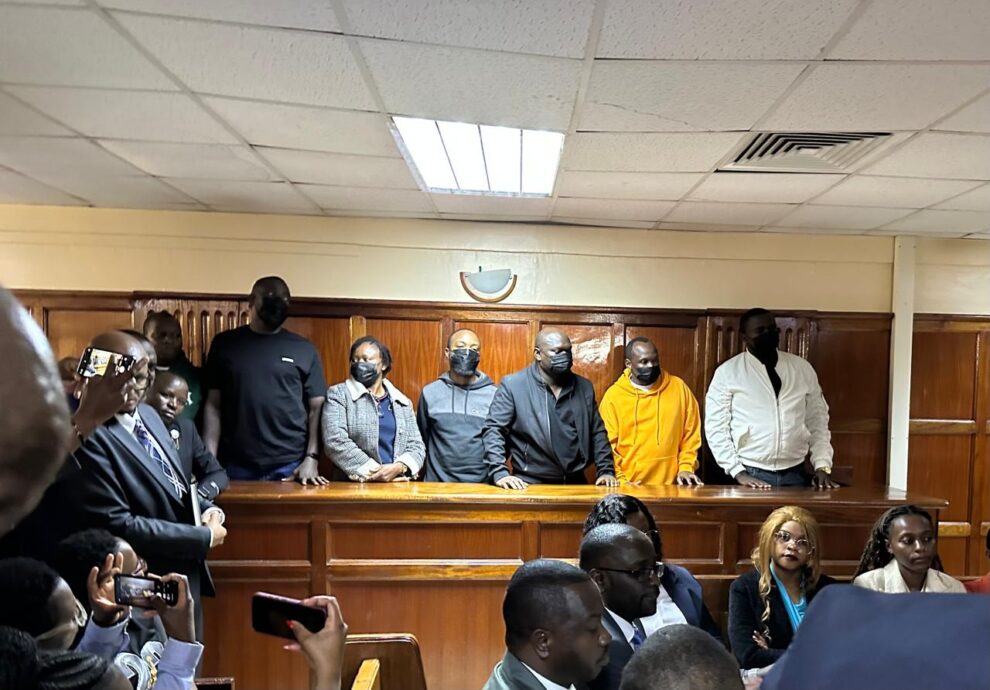
Seven suspects now stand at the center of the Ksh60M Harambee House Scandal, a case that prosecutors say involved calculated deception, forged documents, and false promises of access to government contracts.
The accused include Michafi Musyoki Ngumbi, Evans Simotwo, Geofrey Were Odondi, Allan Mutahi Kariuki, Purity Nieri Niamu, Muniaro Jared Masinde, and Kororia Simatwa. They appeared before Milimani Chief Magistrate Teresa Nyangena and denied all charges. Their co-accused, Rose Mbuthia, failed to appear, forcing the court to issue summons compelling her attendance.
Court documents reveal that the eight allegedly conspired to defraud a foreign national, Talal Yousef Yousef Zaitoun, of USD 470,750, an amount equivalent to roughly KSh60 million. Investigators say the suspects crafted a convincing story that they could secure a government tender for the supply of 500 high-roof diesel Toyota Hiace ambulances.
The group allegedly claimed the contract originated from the Ministry of Interior and National Administration. That claim turned out to be false.
Inside the fake ambulance tender deal
Prosecutors argue that the suspects carefully built trust with the victim by presenting themselves as well-connected facilitators. They allegedly promised a fast-tracked procurement process and assured the investor that the deal had full government backing.
The pitch centered on the urgent supply of ambulances, a sector that often attracts large public contracts. By using a believable project, the suspects allegedly lowered suspicion and increased the chances of securing funds.
Investigators say the group sustained the lie between January 10 and February 25, 2026. During this period, they reportedly communicated regularly with the victim and reinforced their claims with documents that appeared official.
Authorities now believe the entire tender was fictitious from the start.
Money trail and key financial links
The prosecution has singled out Geofrey Were Odondi as a central figure in the movement of funds. He faces additional charges of obtaining money by false pretences and acquiring proceeds of crime.
According to court filings, Odondi allegedly received USD 450,750 through an Equity Bank account registered under Damira Multiactivities. Prosecutors argue that he either knew or should have known the funds were proceeds of crime.
The money reportedly moved through corporate channels linked to Lianyungang Chanta International Wood Company Limited, which investigators say was used to create a layer of legitimacy around the transactions.
This financial trail now forms a critical part of the prosecution’s case as authorities attempt to map how the funds flowed and whether more individuals or entities were involved.
Forged documents and alleged cover-up
Investigators have also accused Michafi Musyoki Ngumbi of playing a key role in legitimizing the scheme through forged documents. He faces two counts of forgery tied directly to the alleged scam.
Prosecutors say he created a fake contract agreement that appeared to link the Ministry of Interior with a foreign firm, Jokara AB, for the ambulance supply deal. He also allegedly forged a notification of award letter to convince the victim that the tender had been officially granted.
These documents, authorities argue, gave the scheme a convincing appearance and helped secure the large payment.
The prosecution maintains that the suspects relied heavily on paperwork that mimicked official government communication. That tactic, investigators say, remains a common tool in high-value procurement fraud.
All seven suspects present in court denied the charges, setting the stage for a legal battle that could expose more details about the alleged network behind the Ksh60M Harambee House Scandal.
Magistrate Nyangena granted each accused person cash bail of Sh300,000. She also ordered Rose Mbuthia to appear in court as required. The case will be mentioned on a later date as investigations continue.
This case now sends a sharp warning to investors and businesses engaging in government-linked deals. It highlights how fraudsters can exploit trust, paperwork, and perceived connections to orchestrate complex scams. As the court process unfolds, the focus will shift to whether prosecutors can prove the alleged conspiracy and recover the lost millions tied to the scandal.