
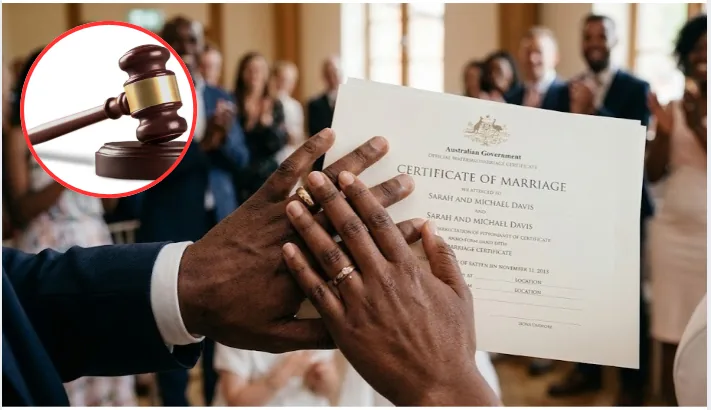
While many Kenyans know that polygamy is legal in the country, fewer understand that the ability to marry more than one spouse depends on the type of marriage a person enters into.
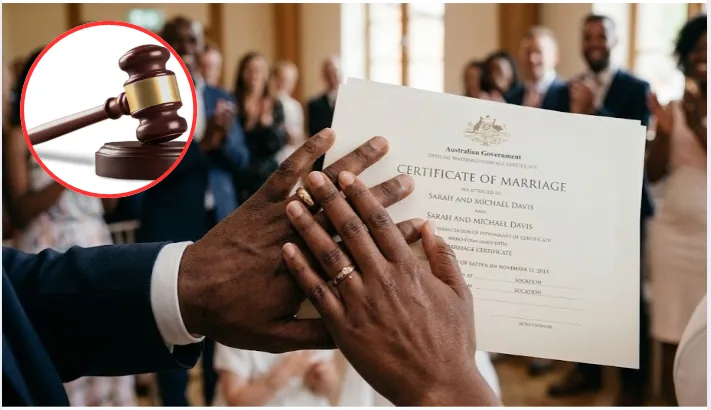
Under the Marriage Act, 2014, marriage in Kenya is defined as the voluntary union of a man and a woman and can either be monogamous or polygamous. All marriages recognised and registered under the law have equal legal status, but the rights and restrictions attached to each type of marriage differ.
Kenya recognises five forms of marriage: Christian, civil, customary, Hindu and Islamic marriages. However, not all these forms allow a person to have multiple spouses.
Christian, civil and Hindu marriages are classified as strictly monogamous. This means a person married under any of these systems cannot legally marry another spouse while the existing marriage remains valid.
For example, a person who marries through a church ceremony or civil process cannot legally take another wife unless the first marriage has been dissolved through divorce or ended through the death of a spouse.
On the other hand, marriages conducted under customary law and Islamic law are recognised as polygamous or potentially polygamous. This means a man may marry more than one wife provided the marriage complies with the relevant customs or Islamic law.
The law also prevents a person from switching between different forms of marriage to create a polygamous arrangement. A person already in a monogamous marriage cannot enter into another marriage while the first one exists. Similarly, someone in a customary or Islamic marriage cannot enter into another marriage that is strictly monogamous.
The Marriage Act also provides an option for spouses in a potentially polygamous marriage to voluntarily convert their union into a monogamous marriage. However, this can only happen if the husband has only one wife at the time of the declaration.
Regardless of the type of marriage, Kenyan law requires all parties entering into marriage to be at least 18 years old, give free consent and not be related within prohibited family relationships as defined by the law.
Marriages must also be celebrated and registered according to the legal procedures applicable to each category, whether under civil, religious, customary or Islamic traditions.
Although Kenya recognises polygamous marriages, the law does not give every married person an automatic right to take additional spouses. Instead, the legality of having multiple wives depends on the legal framework under which the marriage was established.
Violating these rules can have serious legal consequences. A person already in a valid Christian, civil or Hindu marriage who attempts to marry another person may have the second marriage declared invalid because they lacked the legal capacity to enter into it.
They may also face criminal charges. Under Section 171 of the Penal Code, a person who undergoes a marriage ceremony while already having a living spouse, where the new marriage is considered void because of the existing union, commits the offence of bigamy.
The offence carries a possible penalty of up to five years in prison, subject to exceptions provided under the law.
However, these penalties do not apply to legally recognised customary and Islamic marriages, where polygamy is permitted under the Marriage Act.
In such marriages, a man may legally marry more than one wife as long as the requirements of the relevant customary practices or Islamic law are followed.