
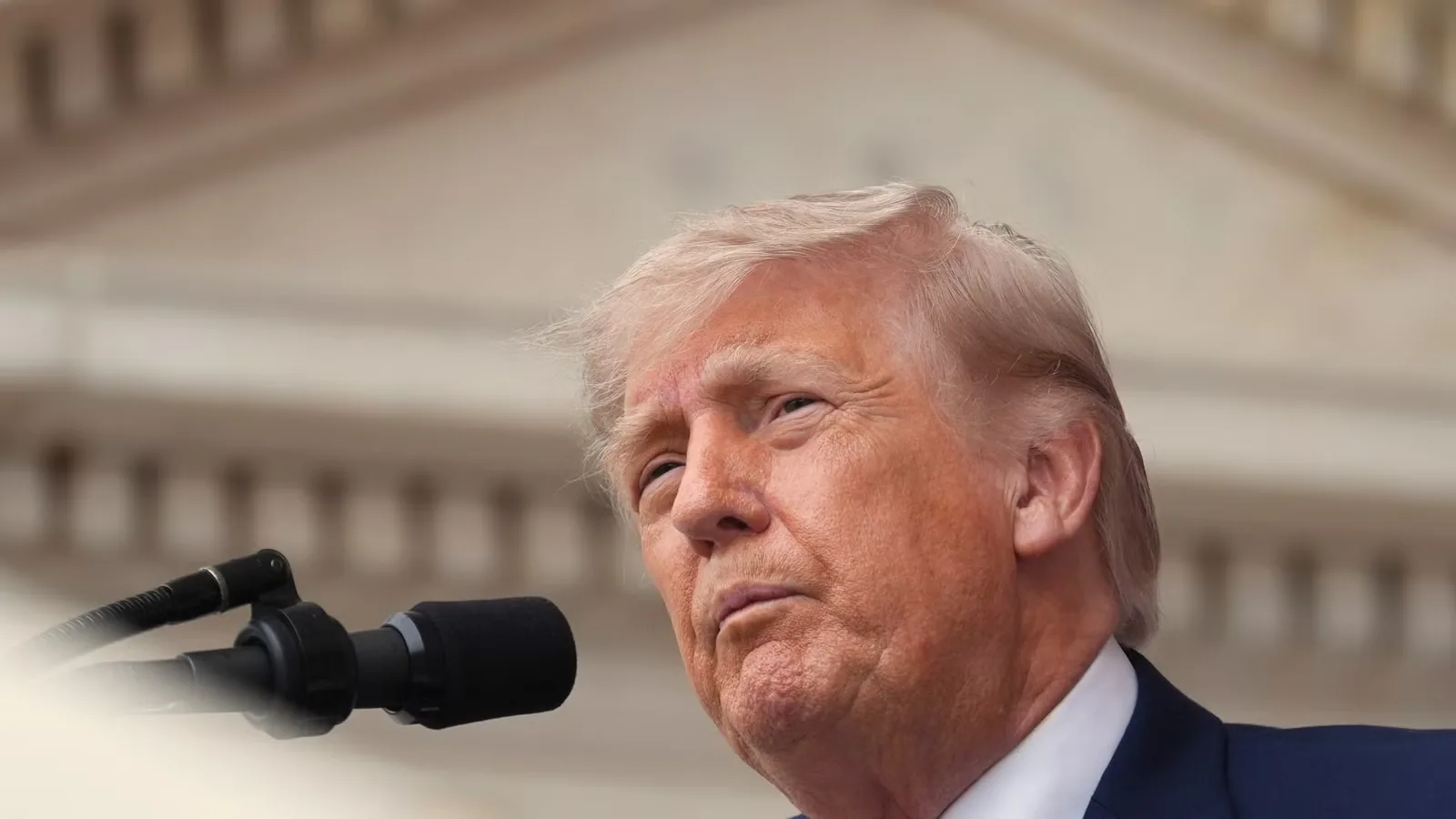
A group of former Internal Revenue Service (IRS) and Department of Justice (DOJ) officials is urging a federal judge to closely examine a controversial settlement that granted President Donald Trump, his family, and affiliated entities broad immunity from past tax audits.
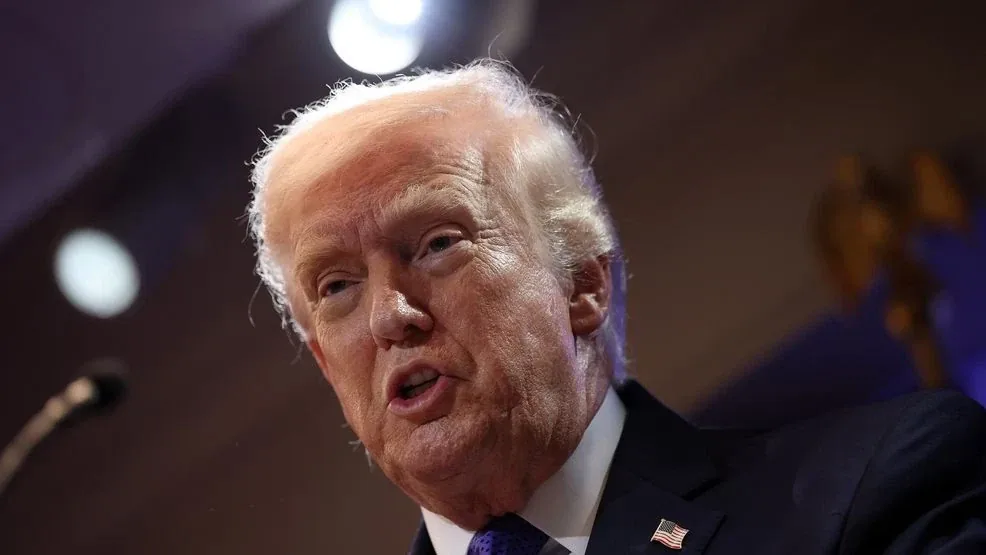
The former officials described the agreement as “unprecedented and breathtakingly improper,” arguing that it creates a dangerous precedent that could place sitting presidents above the tax laws that apply to all Americans.
The dispute stems from Trump's $10 billion lawsuit against the IRS over the disclosure of his tax records. As part of the settlement, Trump reportedly received immunity from past tax audits, a provision that has since drawn criticism from legal experts, former judges, and tax officials.
Last month, U.S. District Judge Kathleen Williams reopened the case after a coalition of 35 retired federal judges argued that the settlement was deceptive and potentially amounted to a fraud upon the court. The judges raised concerns not only about the audit immunity provision but also about the now-abandoned $1.8 billion “Anti-Weaponization Fund,” which was initially included in the broader agreement.
In an amicus brief filed on Monday, the former IRS and DOJ officials argued that the tax audit immunity provision violates fundamental principles of tax law and government accountability.
“The President of the United States is obligated to pay taxes he owes, just like every other American,” the filing stated.
The group warned that allowing the immunity provision to stand would effectively create separate standards of tax enforcement, one for Trump and his associates and another for the rest of the country.
The officials further argued that the agreement could enable future presidents to avoid scrutiny of their taxes while in office and potentially shield themselves and favored individuals from legal accountability.
Among those supporting the filing are a former IRS commissioner, a former chief of the DOJ’s tax division, a former assistant attorney general, and a former national taxpayer advocate.
The brief contends that the immunity agreement conflicts with sections of the tax code designed to prevent political interference in audits. It also raises concerns regarding the Constitution’s Domestic Emoluments Clause.
Another key argument centers on Acting Attorney General Todd Blanche, who was the sole government official to approve the tax audit addendum. According to the filing, Blanche lacked the authority to settle the audit matters because they had never been formally referred to the Department of Justice for potential prosecution.
“Acting AG Blanche settled a weak, time-barred unauthorized disclosure claim to give President Trump a vastly disproportionate gift of total immunity from tax and non-tax liability,” the filing alleged.
Although the Department of Justice later abandoned plans to establish the controversial Anti-Weaponization Fund, critics note that the tax immunity provision remains intact. Blanche also recently declined to sign a declaration affirming that the fund would never be pursued in the future.
The settlement language reportedly states that the Department of Justice is “forever barred and precluded” from pursuing claims, including those involving tax returns, against Trump, his family members, and affiliated entities.
Critics argue that such protections undermine public confidence in the fairness of the tax system.
“This Immunity Order sends the regrettable and dangerous message that powerful people can wield their influence not only to avoid having their tax returns reviewed at all, but to place themselves above the laws that govern every other American,” the former officials wrote.
Trump’s legal team has pushed back against efforts to revisit the settlement. In a filing earlier this month, attorneys representing the president and his two eldest sons argued that the court lacks authority to scrutinize the agreement.
The attorneys characterized the challenges as politically motivated, stating that opponents were attempting to generate media attention around what they described as a lawful government settlement.
Meanwhile, lawyers representing the retired judges who sought to reopen the case maintain that there is substantial evidence suggesting the court was misled during the settlement process. They argue that Trump effectively controlled both sides of the dispute, as the plaintiff in the lawsuit and the head of the executive branch overseeing the agencies involved.
According to the judges’ attorneys, the case raises serious questions about whether the lawsuit and subsequent settlement were used to provide legal cover for extraordinary benefits granted to the lead plaintiff.
As legal challenges continue, the court's review could have significant implications for presidential accountability, tax enforcement, and the limits of executive power.