
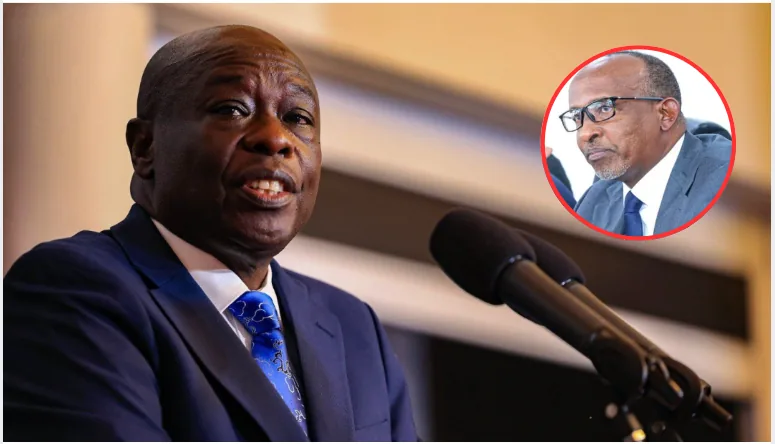
Democracy for Citizens Party (DCP) leader Rigathi Gachagua has defended his recent “snake” remarks after the National Cohesion and Integration Commission (NCIC) opened investigations into him over alleged hate speech and incitement.
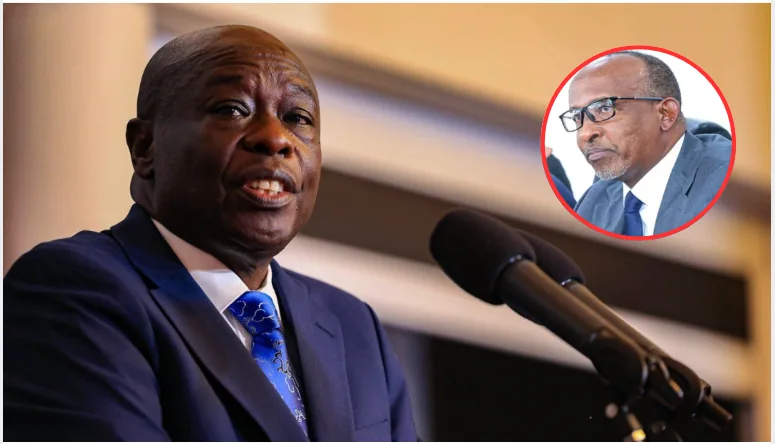
Speaking on Tuesday, July 28, shortly after the commission announced that he was among several leaders under investigation, Gachagua said his comments had been misunderstood and were meant as figurative expressions rather than literal statements.
"Yesterday I made some remarks, and I have now seen that Murkomen has directed the NCIC to ask why we are saying that. I, however, want to tell the commission that we use figurative language because we are literature students," Gachagua said.
The former Deputy President argued that metaphors, personification and hyperbole are commonly used in political communication to pass messages effectively and should not be viewed as calls for violence or hostility.
"The snake remarks mean to remove President William Ruto through the ballot as well as his supporters. Figurative language in politics is vital for public perception by using metaphors, personification, and hyperbole for effective dissemination of information," he added.
Gachagua said he was ready to provide an explanation to the NCIC through the appropriate legal process if formally contacted by the commission.
"So for the NCIC, if you want an explanation, you should write to me so that I can respond accordingly, that we speak in figurative language," he said.
His response follows criticism over remarks in which he allegedly used inflammatory language while referring to President William Ruto and some of his supporters, leading to calls for investigations.
Health Cabinet Secretary Aden Duale was among those who called on the NCIC to take action, accusing Gachagua of repeatedly making tribal and inflammatory statements during political rallies.
The calls for action intensified after Nandi Senator Samson Cherargei petitioned the NCIC to investigate and prosecute Gachagua over remarks he claimed amounted to ethnic profiling of the Kalenjin community.
In his letter dated July 27, 2026, Cherargei argued that statements made by Gachagua during political rallies, media interviews and press briefings had allegedly linked members of a particular community to criminal activities, insecurity and organised violence.
On Tuesday, the NCIC, together with the Interreligious Council of Kenya, confirmed that Gachagua was among several leaders being investigated over alleged hate speech and incitement.
Other leaders named in the investigations include Health Cabinet Secretary Aden Duale, Public Service Cabinet Secretary Geoffrey Ruku, Busia Governor Paul Nyongesa Otuoma, Mandera Deputy Governor Ali Maalim Mohamud, Sirisia MP John Waluke, Kipipiri MP Wanjiku Muhia and Nakuru Town East MP David Gikaria.