
The Kenya National Highways Authority (KeNHA) has revealed details of a new centrally aligned median bus bay set to be constructed in Westlands as part of the ongoing upgrade of the James Gichuru Road Junction–Jomo Kenyatta International Airport (A8/B10) Highway.
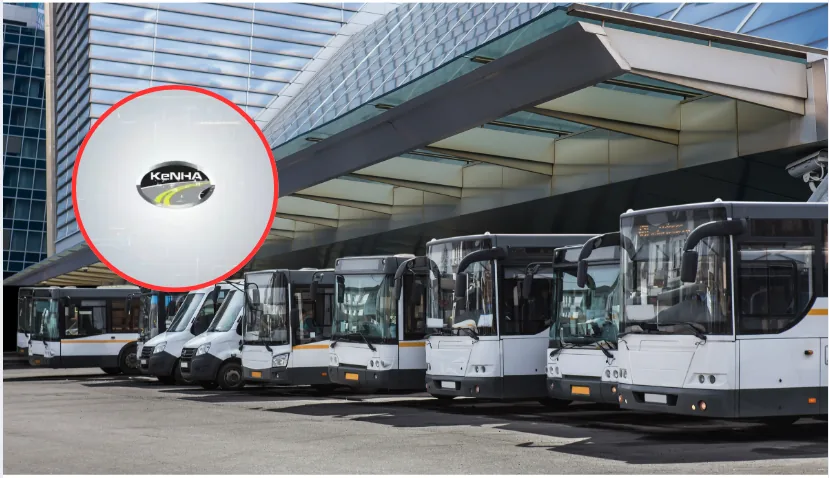
Unlike traditional bus stops located along the roadside, the new facility will be built at the centre of the carriageway, introducing a different approach to public transport infrastructure in Nairobi.
The details emerged after KeNHA officials led by Corridor A Director Engineer Denis Odeck held consultations with leaders of the Westlands Matatu Owners Association ahead of the planned relocation of public service vehicles before construction begins.
The discussions focused on traffic management measures that will guide the transition, including passenger pick-up and drop-off schedules, designated U-turn points, public washroom facilities and the design of pedestrian footbridges that will link commuters to the new station.
The proposed median bus bay is designed to allow buses and matatus to stop within the centre of the road rather than using outer lanes. The design aims to reduce conflicts between public transport vehicles and motorists accessing nearby properties while improving traffic movement along the busy corridor.
Median bus stations are commonly used on high-capacity transport routes because they allow public service vehicles to operate more efficiently within dedicated lanes. Passengers access the stations through pedestrian bridges or controlled crossings, improving safety and reducing disruptions caused by vehicles merging into and out of roadside stops.
Unlike conventional roadside bus stops, which can slow traffic as vehicles pull over and rejoin moving lanes, centrally positioned stations help separate public transport operations from general traffic, reducing delays and improving road safety.
The new facility will also include non-motorised transport features, with pedestrian infrastructure designed to provide safer access for commuters crossing the highway.
“The planned improvements are expected to enhance traffic flow, improve safety for non-motorised transport users, and support more efficient public transport operations within the Westlands area,” KeNHA said.
The authority noted that the wider road improvement project is aimed at reducing congestion, improving road safety and developing a more efficient transport system along one of Nairobi’s busiest routes connecting western suburbs, the city centre and Jomo Kenyatta International Airport.
The stakeholder engagement meeting also brought together Parklands Base Commander Chief Inspector of Police Ann Kinya as authorities coordinated traffic management plans and public transport operations during the project’s implementation.
The median bus bay is part of the ongoing capacity enhancement, landscaping and beautification programme being carried out along the A8/B10 corridor as KeNHA works to modernise transport infrastructure in the area.