
The National Transport and Safety Authority (NTSA) has issued a safety warning urging pedestrians to use footbridges and designated crossing points, as authorities intensify efforts to reduce road deaths linked to unsafe crossing practices.
In a notice issued on Wednesday, July 22, NTSA said jaywalking, which involves crossing roads outside designated areas, remains one of the leading causes of preventable pedestrian fatalities across the country.
“Critical Safety Alert - Jaywalking Kills. Jaywalking is one of the leading causes of preventable pedestrian deaths. Never risk your life. Always use the footbridge,” the authority stated.
The warning comes a day after 22 pedestrians were arraigned in court for allegedly obstructing traffic flow at Allsop’s footbridge in Nairobi after crossing the road instead of using the designated structure.
NTSA, working together with the National Police Service (NPS) and Nairobi City County Government, said public awareness campaigns and enforcement operations will continue to promote safer road use.
The authority noted that pedestrians accounted for 38 per cent of all road traffic crash fatalities recorded as of June 30, describing the situation as a major concern requiring collective action.
NTSA warned that crossing roads beside or beneath footbridges is illegal and could result in arrest or fines.
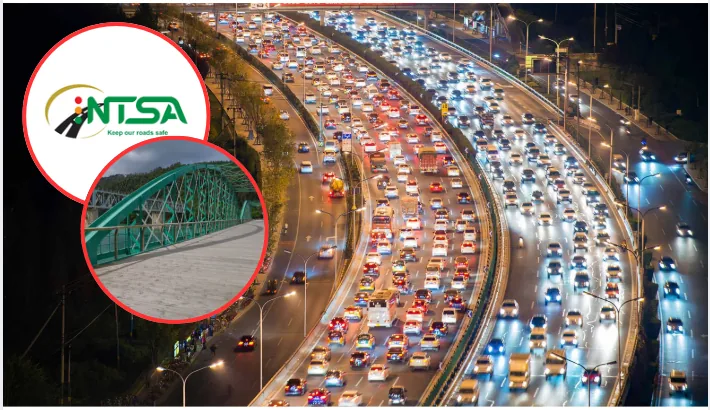
The authority explained that footbridges are designed to protect pedestrians by separating them from moving vehicles, reducing the likelihood of collisions.
NTSA also cautioned that motorists may not have enough time to react when pedestrians suddenly enter busy roads, especially in areas affected by blind spots. The authority emphasized that using footbridges is particularly important for vulnerable groups such as children and elderly pedestrians.
The recent crackdown and court action against pedestrians have sparked mixed reactions from members of the public, with many highlighting the wider challenges affecting pedestrian safety in Nairobi and other urban areas.
Some Kenyans supported NTSA’s enforcement efforts, saying compliance with road safety rules is necessary to reduce preventable deaths.
Others, however, questioned whether enforcement should be accompanied by improvements to pedestrian infrastructure, including more accessible footbridges, better maintenance and improved safety features.
Members of the public have called for clearer road markings, proper signage and additional measures such as barriers along busy roads to discourage unsafe crossing.
There have also been calls for authorities to construct more footbridges in densely populated areas and ensure existing ones are properly lit, especially at night.
Some residents further raised concerns about boda boda riders occupying pedestrian walkways, making footbridges difficult and unsafe for pedestrians to use.
Others argued that improving cleanliness, maintenance and overall conditions of footbridges would encourage more people to rely on them.
As enforcement continues, questions remain on whether the crackdown will be matched with long-term investments in pedestrian infrastructure, public awareness and broader road safety improvements.