

The Pentagon is seeking approximately $80 billion in additional funding from Congress to help cover the costs associated with the United States' military campaign against Iran, adding to an already unprecedented defense spending increase proposed by President Donald Trump.
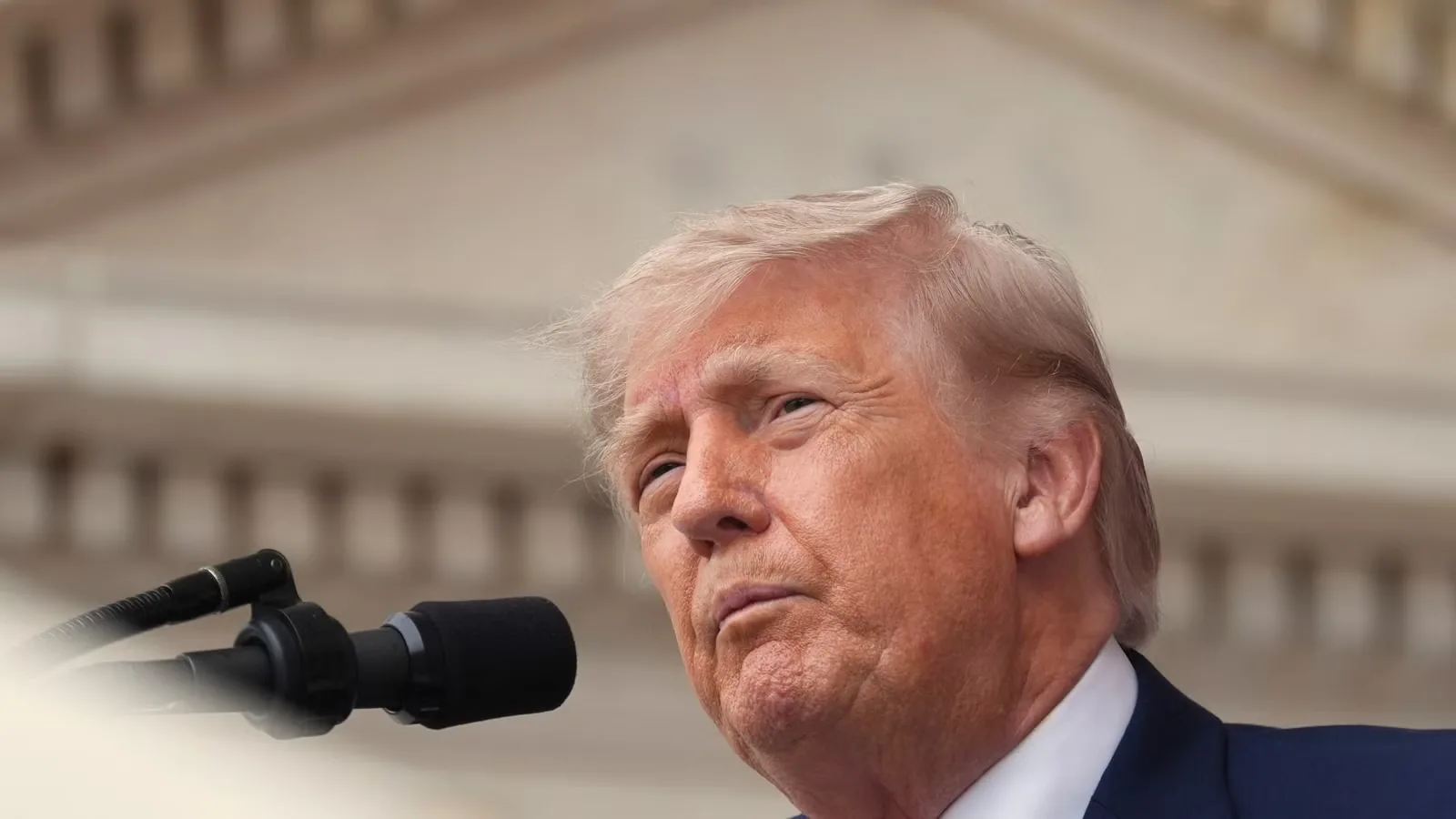
According to reports, senior Pentagon officials have begun briefing lawmakers on the request, although the White House Office of Management and Budget has not yet formally submitted the proposal to Congress. Defense Secretary Pete Hegseth has spent recent weeks meeting with lawmakers on Capitol Hill as the administration works to build support for the funding package.
The proposed request comes at a politically sensitive time, with lawmakers from both parties continuing to debate the long-term implications of the conflict and the peace agreement recently reached between Washington and Tehran. The administration is simultaneously seeking a record-breaking $1.5 trillion defense budget, representing nearly a 50% increase compared to current spending levels.
Senate Majority Leader John Thune acknowledged that an additional funding request related to the Iran conflict is expected and said lawmakers would review the proposal once it officially reaches Congress.
Thune emphasized the importance of replenishing military stockpiles and replacing munitions used during the conflict, noting that the United States has faced growing demands on its military resources due to multiple international security challenges.
The proposed $80 billion package reportedly focuses primarily on replacing depleted weapons inventories, repairing military equipment, maintaining force deployments, and supporting broader operational requirements linked to the conflict. The funding would also address damage sustained by American military installations in the region during the war.
The latest figure is significantly higher than the $29 billion estimate Hegseth provided lawmakers during congressional testimony last month. That earlier estimate focused mainly on replacing weapons systems and covering operational expenses but did not fully account for infrastructure repairs or longer-term military commitments.
At the start of the conflict, Pentagon planners reportedly discussed scenarios in which total costs could exceed $200 billion. Early assessments estimated that the first week of military operations alone cost approximately $11.3 billion.
The administration's request is expected to face resistance from lawmakers concerned about federal spending and the economic challenges facing American households. Critics argue that increasing defense expenditures while many citizens continue to struggle with inflation and rising living costs may be difficult to justify politically.
Democratic Senator Patty Murray has previously criticized the administration's approach, arguing that taxpayers should not be expected to bear the financial burden of a conflict that remains controversial among many Americans.
Congressional Democrats have also raised concerns about the overall scale of the defense spending proposals currently under consideration. Republican lawmakers hope to secure roughly $1.1 trillion through the traditional appropriations process, while seeking an additional $350 billion through a separate legislative package later this year.
Some lawmakers believe the final cost of the conflict could exceed current estimates. Senator Brian Schatz of Hawaii suggested that the eventual financial burden may be significantly higher than the $80 billion figure currently being discussed.
Schatz indicated that support among Democrats for a standalone Iran-related funding package appears limited, reflecting broader concerns about both the war and its long-term costs.
Not all lawmakers oppose the proposal. Republican Senator Jim Banks of Indiana argued that funding aimed at replenishing military stockpiles should be viewed as an investment in America's defense industrial base. He suggested the spending could strengthen domestic manufacturing and support defense-related jobs across the country.
Meanwhile, Senator Jack Reed, the ranking Democrat on the Senate Armed Services Committee, said any supplemental funding package should be considered alongside broader negotiations involving both defense and non-defense spending priorities. Reed argued that reaching agreement on overall government spending levels would likely make discussions regarding additional defense funding easier.
Some lawmakers are already exploring ways to broaden the package to attract bipartisan support. Senator John Hoeven of North Dakota said he has been working with administration officials on proposals that could combine defense funding with disaster relief assistance for states affected by severe weather events and wildfires, as well as support programs for American farmers.
Such a combination, Hoeven suggested, could improve the legislation's chances of securing enough votes to pass Congress.
Despite growing scrutiny over the cost of the conflict, administration officials continue to defend the military campaign. During a Senate hearing last month, Hegseth argued that the financial costs should be weighed against what he described as the potentially greater consequences of allowing Iran to develop nuclear weapons.
While acknowledging that military action carries significant expenses, Hegseth maintained that confronting perceived security threats remains a necessary responsibility of the United States government.
As lawmakers prepare for what is expected to be a contentious debate, the administration faces the challenge of convincing Congress that the additional spending is necessary while balancing concerns about federal deficits, domestic priorities, and public support for the conflict. The outcome of those discussions could shape both U.S. defense policy and government spending priorities for years to come.