
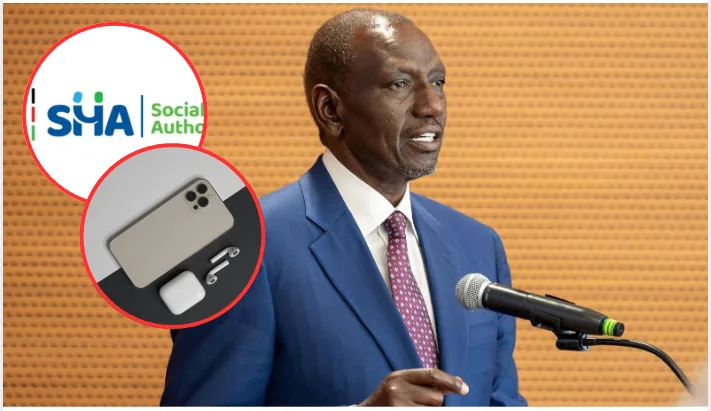
President William Ruto has announced a series of reforms aimed at improving the welfare and working conditions of Kenya’s more than 106,000 village elders, including monthly allowances, health insurance coverage and the provision of smartphones.
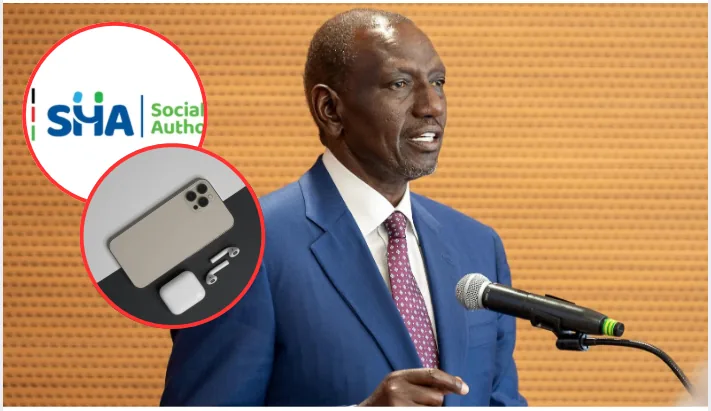
The President said the measures are part of efforts to formally recognise and strengthen the role of grassroots administrators who serve as a key link between citizens and the national government.
Speaking on Tuesday during a meeting with village elders and their representatives from across the country’s 106,000 villages, Ruto announced that all village elders, together with their spouses and children, will be enrolled under the Social Health Authority (SHA) medical cover.
He directed Treasury Cabinet Secretary John Mbadi to include funding for the health insurance programme in the next Supplementary Budget to ensure village elders are covered under SHA.
“CS Mbadi, I hereby direct you that in the Supplementary Budget you ensure that we have budgeted money for the village elders to be paid for SHA for the November-December cycle,” Ruto said.
The President also announced plans to introduce monthly allowances for village elders, although details on the exact amount and payment structure were not immediately provided.
In addition to financial support and healthcare coverage, Ruto said village elders will receive training in artificial intelligence (AI) and digital literacy to help them adapt to modern public administration practices.
He added that village elders, chiefs and assistant chiefs will be issued smartphones and other digital devices to improve communication, enhance reporting systems and allow faster transmission of official information.
Ruto further announced that chiefs will now operate directly under the Office of the President, saying the move will strengthen Kenya’s grassroots administrative structure.
To formalise the reforms, the President directed the Ministry of Interior to prepare a Sessional Paper that will establish the changes within the legal framework before being presented to Cabinet for approval.
According to Ruto, placing the reforms in law will prevent future governments from reversing the benefits or withdrawing the support programme for village elders.
The announcement marks one of the most significant government efforts to recognise and support village elders, who have traditionally played a critical role in local administration despite operating with limited resources.
Kenya currently has about 106,000 recognised villages spread across nearly 9,700 sub-locations, with village elders acting as the first point of contact between communities and government authorities.
Meanwhile, Interior Cabinet Secretary Kipchumba Murkomen announced that the government has already deployed National Government Administration Police Unit (NGAPU) officers in 16 counties, with plans to extend the deployment nationwide.
President Ruto said the security deployment will improve law enforcement, strengthen coordination among administrators and enhance government presence at the grassroots level.