
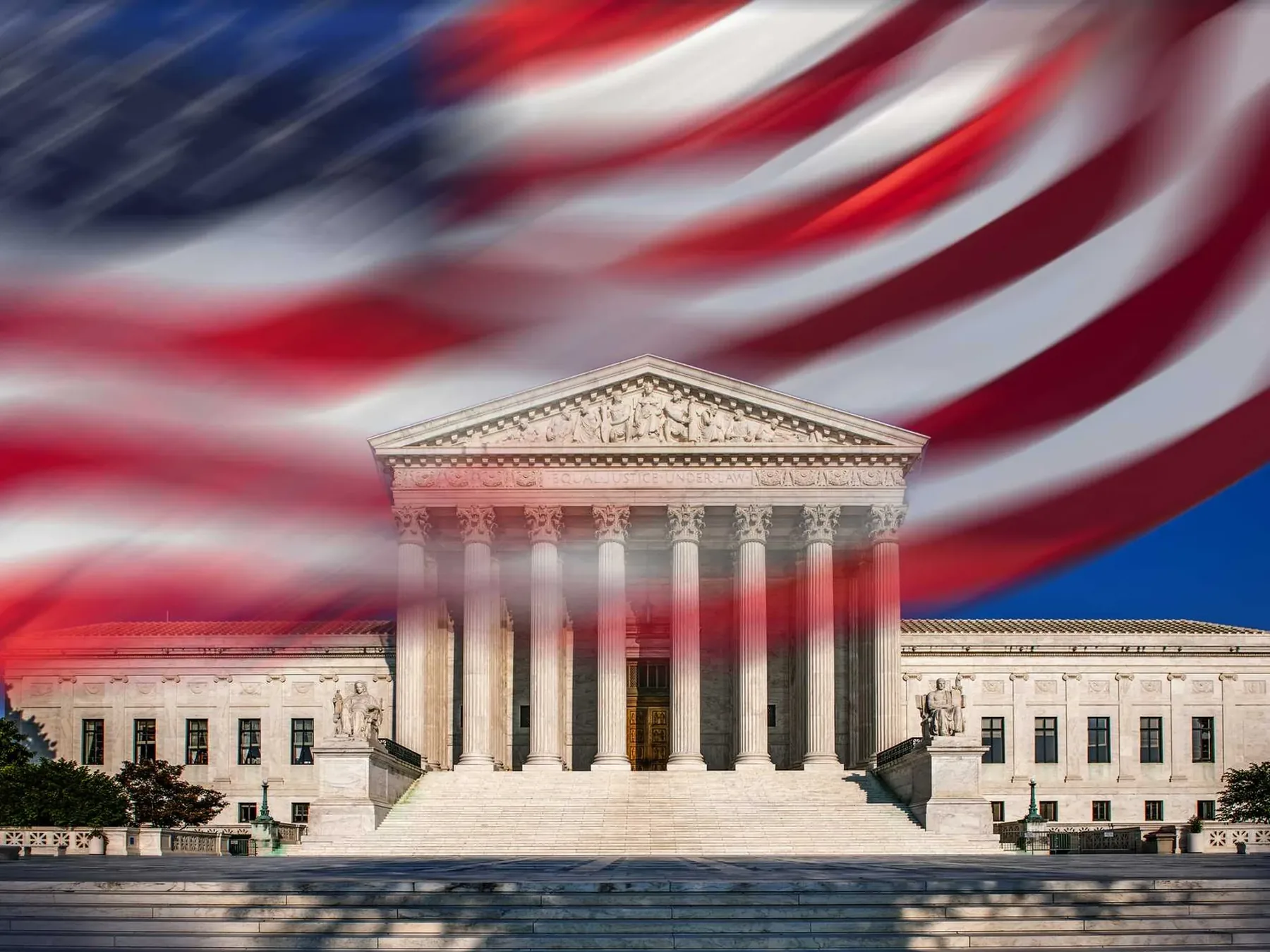
The Supreme Court of the United States has ruled 6–3 in favor of the Trump administration in a case involving the treatment of lawful permanent residents accused of crimes, reinforcing the government’s authority in immigration enforcement decisions.
The case centered on Muk Choi Lau, a green card holder who was placed on immigration parole by a federal officer in 2012 after returning from a short trip abroad. The decision came after Lau had been accused of trademark counterfeiting, raising questions about how immigration authorities can respond to non-citizens suspected of criminal activity.
Lau challenged the decision, arguing that the immigration officer exceeded their authority and that the parole designation improperly enabled the Department of Homeland Security to quickly initiate deportation proceedings after his later guilty plea. However, the Trump administration maintained that suspicion of criminal conduct alone can justify placing a lawful permanent resident on immigration parole status, allowing for faster immigration enforcement action.
The Court sided with the administration’s interpretation, effectively strengthening the ability of immigration authorities to act swiftly when green card holders are linked to criminal allegations. The ruling adds to a series of high-profile immigration decisions involving executive authority and enforcement discretion.
The broader context of the case reflects ongoing legal battles over immigration policy under President Donald Trump, including efforts to restrict or redefine key protections for non-citizens. The Court is also reviewing separate challenges involving attempts to end birthright citizenship, reinstate stricter asylum rules, and terminate temporary protected status for migrants from countries affected by war and natural disasters.
Taken together, these cases signal that the Supreme Court is likely to play a central role in shaping the boundaries of U.S. immigration enforcement powers in the coming years.