
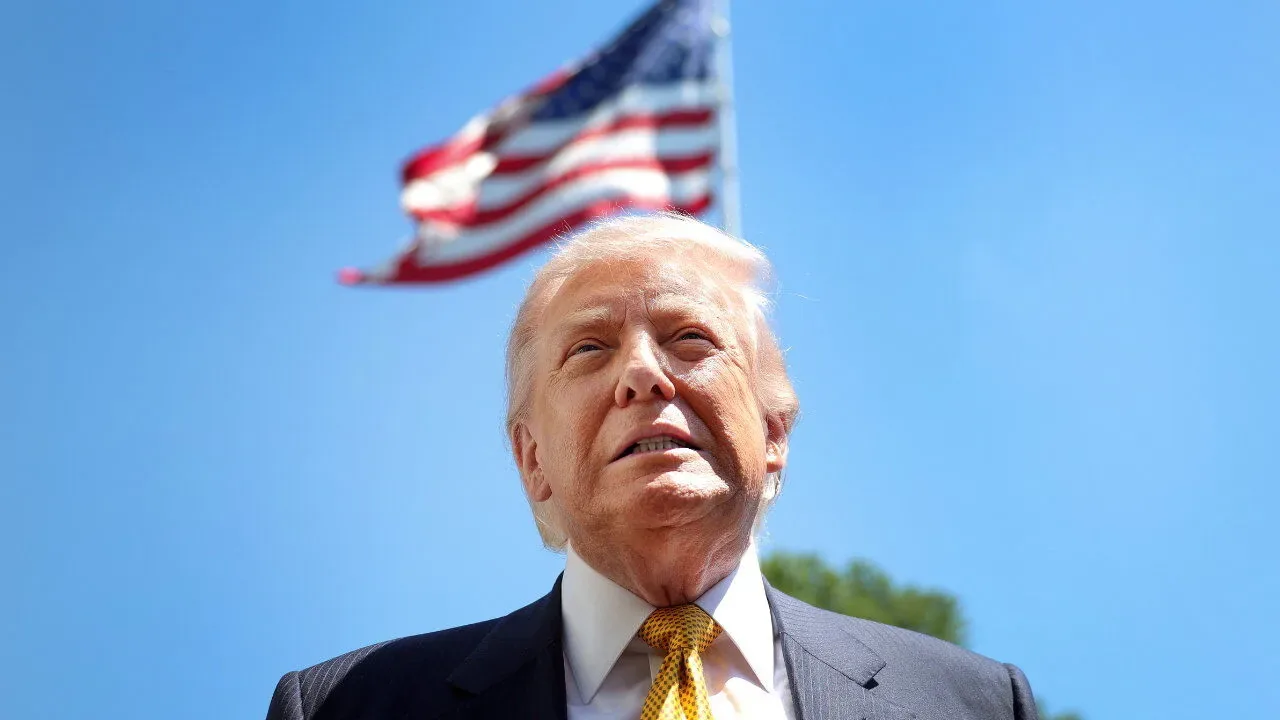
President Donald Trump is promoting a tentative agreement with Iran as a major diplomatic achievement, but reactions within the Republican Party suggest the deal could face political resistance in Congress and among conservative voters.
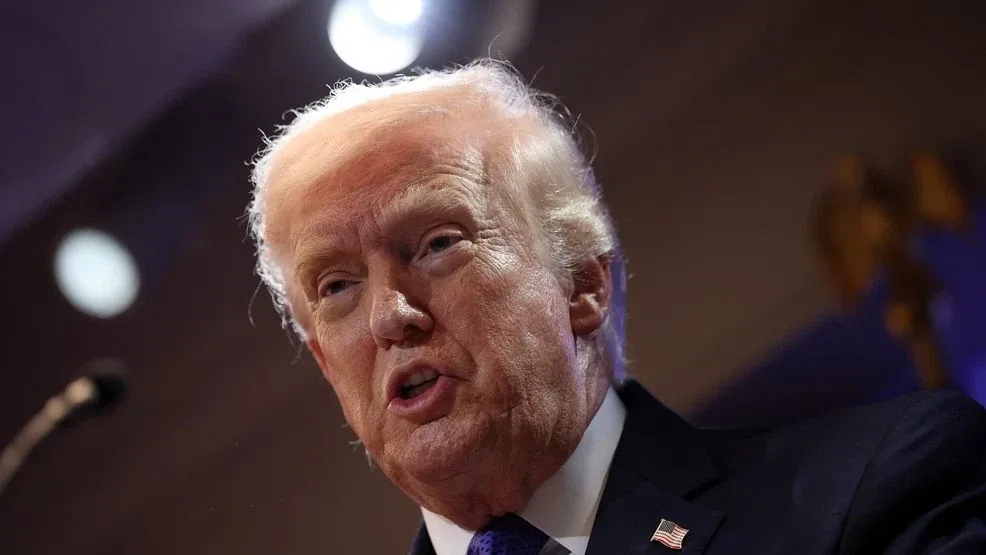
Speaking during the G7 summit in France, Trump described the agreement as a "very strong deal," though details remain limited. A 14-point memorandum of understanding (MOU) between the United States and Iran has circulated publicly, while lawmakers and the public continue to await further clarification from the administration.
One of the immediate objectives of the agreement is to reduce tensions in the Middle East and reopen the Strait of Hormuz, a critical global shipping route. Administration officials argue that restoring normal traffic through the waterway could help lower fuel and transportation costs, providing economic relief for consumers and businesses.
However, some Republicans have questioned whether the agreement gives up too much without securing broader U.S. goals, such as ending Iran's nuclear program, maintaining economic pressure on Tehran, or achieving significant political reforms within the country.
Critics within the party have expressed concern over reports that sanctions on Iranian oil exports could be eased as part of the arrangement. Former U.S. Ambassador to the United Nations Nikki Haley argued that sanctions relief should not be granted immediately, while former Trump adviser Steve Bannon urged the administration to maintain economic pressure on Iran.
The debate highlights divisions among Republicans over foreign policy, particularly between those seeking to avoid prolonged military conflicts and others who favor a tougher stance toward Iran.
While the preliminary agreement may deliver short-term economic benefits if regional stability improves, negotiations over a more comprehensive deal are expected to remain politically sensitive. Any final agreement involving sanctions relief or access to frozen Iranian assets could become a significant issue ahead of the upcoming midterm elections.