
University of Nairobi students have issued a warning of possible disruption of learning activities over prolonged delays in the appointment of a substantive vice chancellor, saying the leadership gap has created uncertainty in academic direction and weakened student governance structures across the institution.
The University of Nairobi Students Association (UNSA), led by president Michael Soi, has now called on Education Cabinet Secretary Julius Ogamba to urgently intervene and finalise the appointment process for senior university leadership, arguing that the matter has stalled despite key procedural steps already being completed.
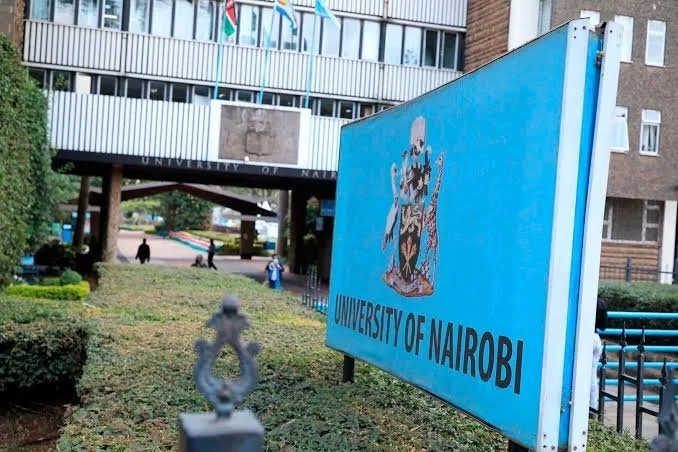
Students are also demanding the appointment of a vice chancellor alongside deputy vice chancellors for academic affairs and for finance, administration and planning, saying the absence of permanent office holders has affected both administrative stability and student welfare.
“We are looking to CS Ogamba to give us direction and appoint substantive leaders at the University of Nairobi, ensuring everything is done according to the law and proper oversight is provided,” said UNSA president Michael Soi.
Soi further stated that the university council had already conducted interviews for the positions but the process has stalled, leaving questions over the cause of the delay.
“We know that the process has been done, that is the interviews for the vice chancellor, deputy vice chancellor of academic affairs, and the deputy vice chancellor of finance, administration and planning. The council has done its work. We want to know who is derailing this process,” he questioned.
The leadership vacuum at the University of Nairobi traces back to 2024 when former Vice Chancellor Prof. Stephen Gitahi Kiama was placed on compulsory leave and later dismissed over allegations of gross misconduct.
Following that development, Prof. Margaret Jesang Hutchinson was appointed acting vice chancellor to maintain continuity in university operations while the search for a substantive successor continued.
The succession process has also faced further disruption after Prof. Bitange Ndemo, who had topped the Public Service Commission merit list, withdrew from the race, a move that triggered disagreements over the next steps in filling the position.
Prof. Duke Omondi Orata, who was ranked second on the merit list, later raised claims that he should be appointed based on legal and procedural grounds, further complicating the transition process.
Court orders, petitions, and involvement by the Ministry of Education have also contributed to delays in concluding the appointment, leaving the institution without permanent leadership at the top level.