
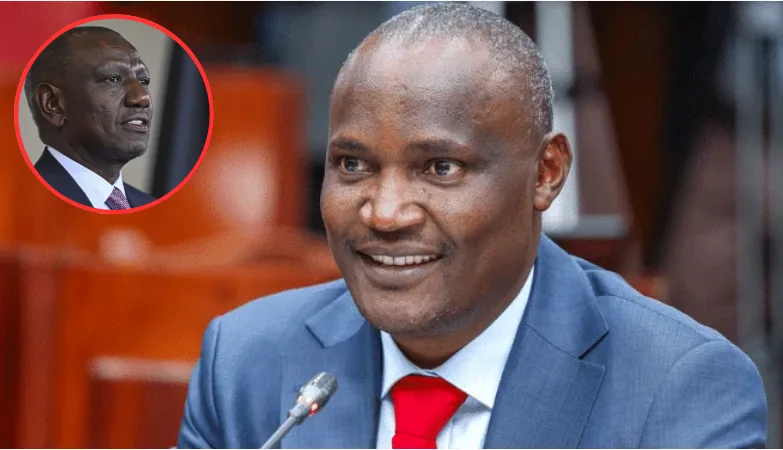
Treasury Cabinet Secretary John Mbadi has assured salaried Kenyans that the government's plan to reduce Pay As You Earn (PAYE) tax remains on track, despite the Finance Act 2026 taking effect on July 1 without the anticipated reforms.
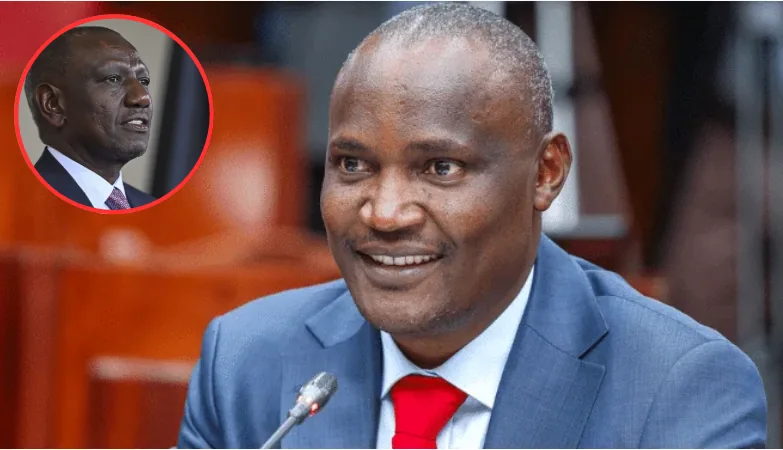
Speaking during an interview on Citizen TV on Wednesday night, Mbadi said the Treasury would immediately begin work on proposals to lower PAYE, reaffirming the government's commitment to easing the tax burden on workers.
“The suggestion about PAYE came from the government. That is one of the assignments I am going to start on immediately, on the discussion on how to reduce taxes on PAYE,” Mbadi said.
“We are going to give tax relief, take it to the bank. The President has spoken about it, John Mbadi has spoken about it. It is not that we are enjoying Kenyans; we are going to make sure it is actualised,” he added.
His remarks come after many salaried employees questioned why the promised PAYE reforms were missing from the Finance Act 2026, which officially came into force on July 1.
The government has maintained that the omission does not signal a change in policy, explaining that the Finance Bill had already been drafted and submitted to Parliament before President William Ruto announced plans to review PAYE.
Last month, National Assembly Majority Leader Kimani Ichung'wah also assured Kenyans that the reforms were still under consideration, saying the Treasury and Parliament were working on implementing the President's directive.
President Ruto had earlier instructed the National Treasury to develop proposals that would exempt employees earning up to Ksh30,000 per month from PAYE, a move aimed at increasing disposable income for low-income workers.
The proposed reforms have also received support from the Kenya Bankers Association (KBA), which has called for a broader review of the country's income tax system to make it fairer for salaried employees.
Among the association's recommendations is increasing monthly personal tax relief from Ksh2,400 to Ksh3,000 and introducing a five-band income tax structure. Under the proposal, the lowest tax rate of 10 per cent would apply to monthly earnings of up to Ksh30,000 instead of the current Ksh24,000 threshold.
The KBA argues that the current PAYE structure pushes middle-income earners into higher tax brackets too quickly, increasing their tax burden.
The Institute of Certified Public Accountants of Kenya (ICPAK) has also backed reforms to the income tax system, saying changes are needed to leave workers with more disposable income while creating a fairer taxation framework.
While no timeline has been provided for implementing the proposed changes, the Treasury insists the PAYE review remains a government priority.