
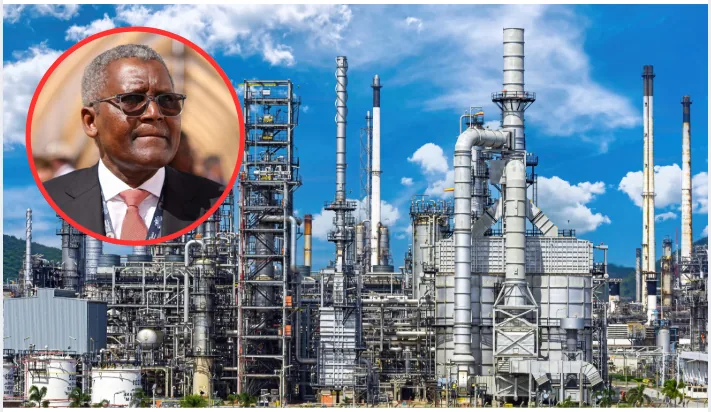
Africa’s richest man, Aliko Dangote, is seeking government support to protect his planned Ksh2.2 trillion oil refinery in Lamu from competition posed by cheap imported fuel.
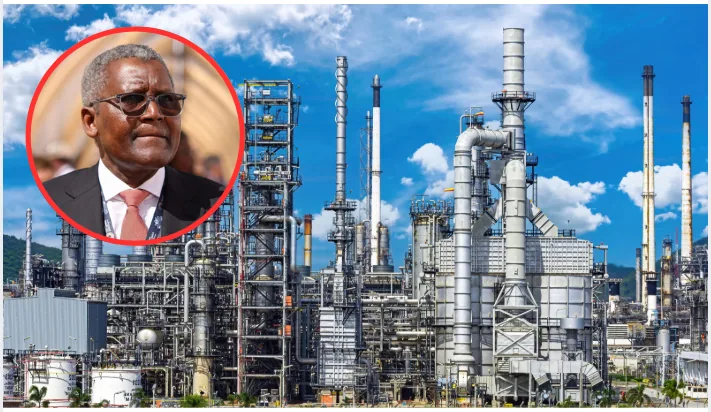
Dangote warned that the refinery could struggle to compete with refined petroleum products from countries such as Russia and India unless Kenya introduces measures to shield the facility from what he described as fuel dumping.
The Nigerian billionaire plans to invest approximately $16 billion in the project, with 70 per cent expected to come from debt financing and the remaining 30 per cent from equity.
The debt component would amount to about $11.2 billion. Dangote, however, said his business group has no difficulty raising the financing required to develop the massive facility.
Beyond protection from imported fuel, Dangote said the Kenyan government would need to provide land, support regional financing and establish a policy framework that would guarantee the refinery a stable market once production begins.
The proposed refinery is expected to process between 650,000 and 700,000 barrels of crude oil per day, potentially making it one of Africa’s largest refineries and a major addition to Kenya’s energy infrastructure.
Construction could begin as early as October this year, with preparations for the groundbreaking reportedly at an advanced stage. Dangote has said the project could be completed in less than four years once construction starts.
The estimated cost of the refinery has also been reduced from approximately $17 billion to $16 billion. Dangote attributed the revision partly to the shorter construction timeline and lessons learned from the construction of his refinery in Lagos.
The Lamu project is also being linked to broader industrial development in the region. The government is finalising plans for a Ksh12.9 billion palm oil processing plant at Witu Nyangoro Ranch.
Principal Secretary for Investment Promotion Abubakar Hassan said the palm oil facility could create about 3,000 jobs while helping Kenya reduce its dependence on imported palm oil.
President William Ruto has previously indicated that Kenya intends to take a stake in the refinery through the National Infrastructure Fund as part of efforts to strengthen the country’s energy security and reduce dependence on imported refined petroleum products.
The refinery is expected to source crude from Uganda, future production from Kenya’s Turkana oil fields and potentially imports brought through the Port of Lamu. This would connect the project to the wider regional energy and transport network.
For the 2026/27 financial year, the government has allocated Ksh21.5 billion in seed capital towards the project.
Despite the ambitious plans, the refinery continues to face environmental and commercial questions, particularly over whether it can compete effectively with imported fuel and what level of government protection it may require.
Environmental campaigners have also raised concerns over the project, with Greenpeace Africa threatening legal action over the proposed refinery.