
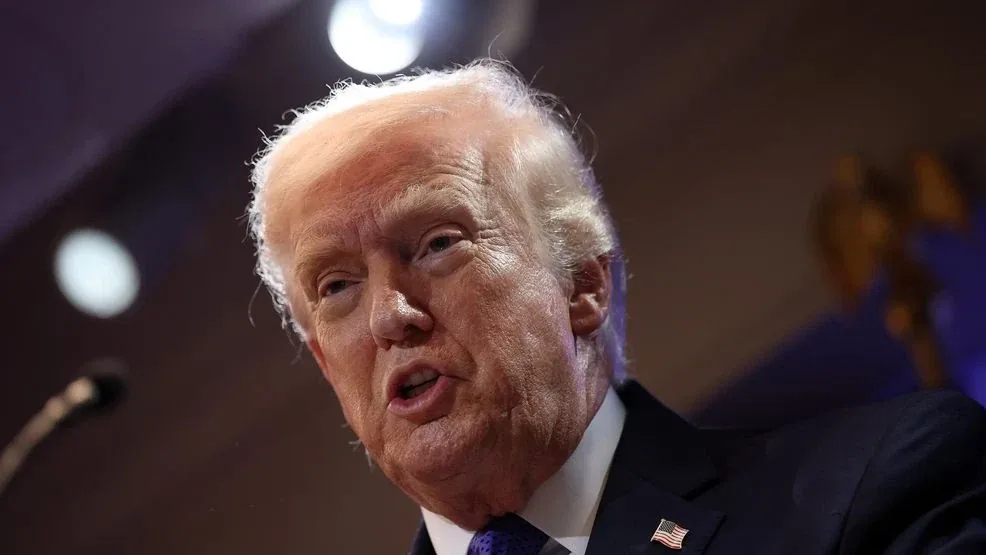
The U.S. Department of Justice has issued a controversial addendum to its settlement agreement with President Donald Trump that would halt any existing IRS audits involving Trump, his family, and businesses connected to them.
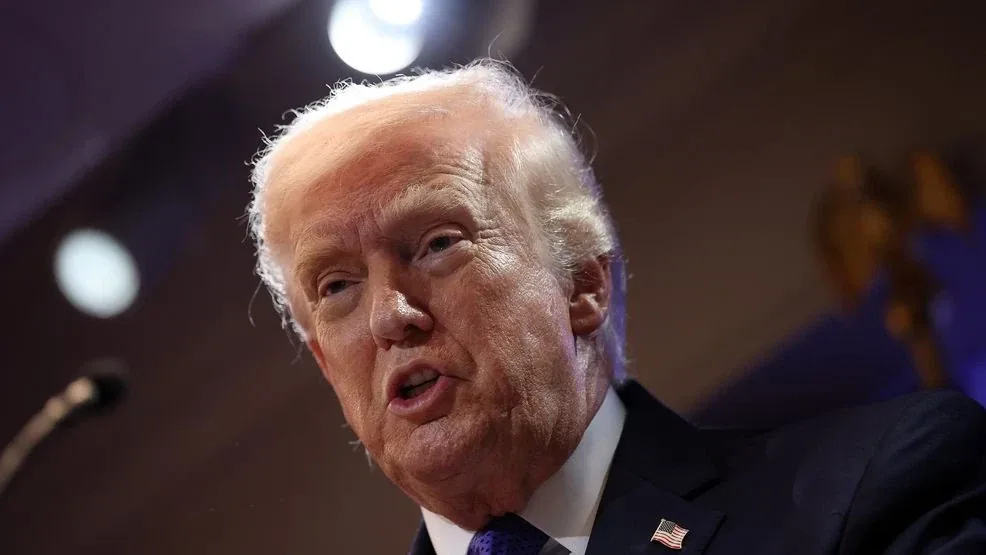
The addendum, signed by Acting Attorney General Todd Blanche and published by the Justice Department on Tuesday, states that the IRS is “forever barred and precluded” from pursuing examinations, reviews, or investigations involving Trump and any related individuals or affiliated entities concerning matters currently pending, or that could have been pending before the IRS or other federal agencies.
Following criticism of the language, the Justice Department clarified that the provision applies only to existing audits and does not prevent future audits from being initiated.
The addendum expands upon a sweeping settlement agreement announced a day earlier, under which Trump agreed to drop his $10 billion lawsuit against the IRS. The lawsuit stemmed from the unauthorized disclosure of his tax records by a government contractor who later pleaded guilty to stealing and leaking confidential tax information belonging to Trump and other wealthy Americans.
The broader settlement also resolves two separate civil claims totaling $230 million that were linked to investigations surrounding allegations of Russian election interference during Trump’s first term and the 2022 FBI search of his Mar-a-Lago estate.
A key component of the agreement is the creation of a proposed $1.776 billion “Anti-Weaponization Fund,” intended to compensate individuals who claim they were unfairly targeted by the federal government during the Biden administration.
The settlement has drawn sharp criticism from lawmakers and legal experts across the political spectrum. A group of House Democrats accused the administration of engaging in what they described as “collusive litigation,” arguing that the arrangement could improperly benefit Trump, his family, and political allies at taxpayer expense.
Critics have also raised concerns that the deal may violate constitutional principles, including the separation of powers and the Domestic Emoluments Clause, while potentially conflicting with statutes governing civil claims against the federal government.
Although Trump would not directly receive payments from the Anti-Weaponization Fund, legal observers note that ending ongoing tax audits could provide significant financial benefits if unresolved tax disputes are closed without further review.
It remains unclear whether Trump, members of his family, or any affiliated businesses are currently under active IRS audit. However, reports have previously indicated that a long-running examination of Trump’s tax filings could potentially result in more than $100 million in additional tax liability.
Trump has repeatedly claimed that he was subjected to unusually frequent IRS scrutiny. During the 2016 presidential campaign, he said he had been audited every year for more than a decade, using the audits as justification for refusing to release his tax returns during the election.
He made similar claims during the 2020 campaign, arguing that the IRS treated him unfairly and that he would release his returns once the audits were completed.
When congressional Democrats released six years of Trump’s tax returns in 2022, the records showed that he had significantly reduced his federal tax obligations by reporting large business losses. In some years, those reported losses reduced his tax bill to only hundreds of dollars, while in others he paid no federal income tax at all.
The release of those returns also fueled questions about whether the IRS had properly followed its longstanding policy of conducting annual audits of sitting presidents. According to former House Ways and Means Committee Chairman Richard Neal, the IRS did not begin auditing Trump during his presidency until 2019, after the committee formally requested information regarding the matter. Neal later stated that those audits were never completed.
Federal law generally prohibits presidents from directing the IRS to open, close, or alter tax audits. However, the role of the attorney general in tax-related legal matters has become a central point of debate following the release of the settlement addendum.
Tax law experts have questioned whether the Department of Justice possesses the legal authority to grant the broad protections outlined in the agreement. Brandon DeBot, policy director at the Tax Law Center at New York University School of Law, described the arrangement as a “breathtaking abuse of the tax and legal system.”
Legal challenges and further scrutiny of the settlement are expected as lawmakers, former government officials, and outside watchdog groups continue to examine the scope and legality of the agreement.