
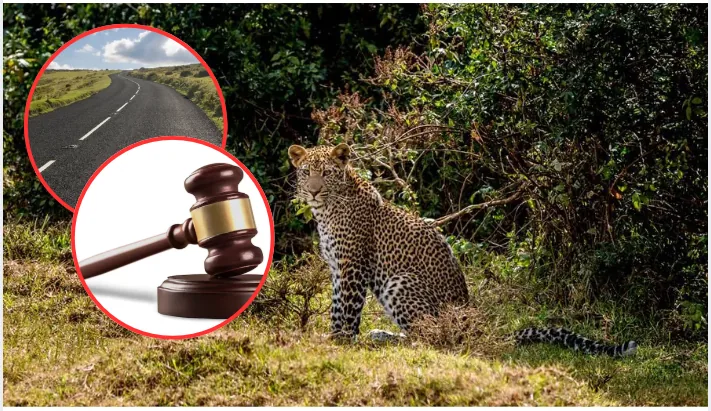
The High Court has cleared the way for the construction of the Ksh4.4 billion Mau Mau Road after dismissing a constitutional petition that sought to halt the project over environmental concerns.
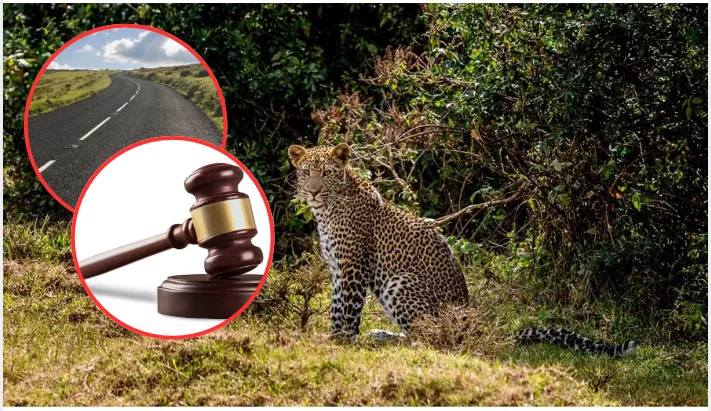
In a ruling delivered by Justices Lucy Gacheru, Bernard Eboso and James Olola, the court found that the petition lacked merit, concluding that the environmental safeguards proposed for the project were sufficient if fully implemented.
Justice Gacheru ruled that the law in force when the Environmental Impact Assessment (EIA) licence was issued did not require the government to first conduct a Strategic Environmental Assessment. As a result, the court found no legal grounds to invalidate the approval granted for the road project.
The judges further ruled that the petitioners had failed to demonstrate that the government had violated Article 69(1) of the Constitution, which requires the State to protect and conserve the environment while ensuring sustainable use of natural resources.
The case had been filed by petitioners seeking to permanently stop the construction, arguing that the road would cut through a protected ecosystem and infringe on the constitutional right to a clean and healthy environment.
Environmental and conservation groups had warned that the project could destroy about 25 kilometres of the Aberdare Forest's closed canopy, threaten the critically endangered Mountain Bongo and cause long-term environmental, economic and cultural damage. They also argued that increased human activity could disrupt wildlife and weaken one of Kenya's most important water catchment areas.
However, the Kenya National Highways Authority (KeNHA) maintained that the project complies with environmental laws and regulations. The agency told the court that it had carried out public participation and incorporated mitigation measures identified during the Environmental Impact Assessment process to minimise environmental impacts.
The ruling marks another milestone for the government, which has been pushing ahead with the project as part of its infrastructure agenda.
In May, President William Ruto announced that the Mau Mau Road Project was about 60 per cent complete and said the government had allocated Ksh2 billion to ensure the remaining work is completed within the next two years.
The 52-kilometre road was first identified as a flagship project under Kenya's Vision 2030 development plan in 2009, although construction only began about two years ago after years of delays.
Once completed, the road will pass through four counties, stretching from Githunguri in Kiambu County to Njengu in Nyeri County, where it will connect to the Nyeri-Nyahururu highway.
The project had faced more than 16 years of opposition from environmentalists and civil society organisations concerned about its potential impact on the Aberdare ecosystem, which remains one of Kenya's most important conservation areas.
The Aberdare ecosystem is also on Kenya's tentative list for UNESCO World Heritage status and plays a vital role in supplying water and supporting millions of people, livestock and wildlife across the country.