
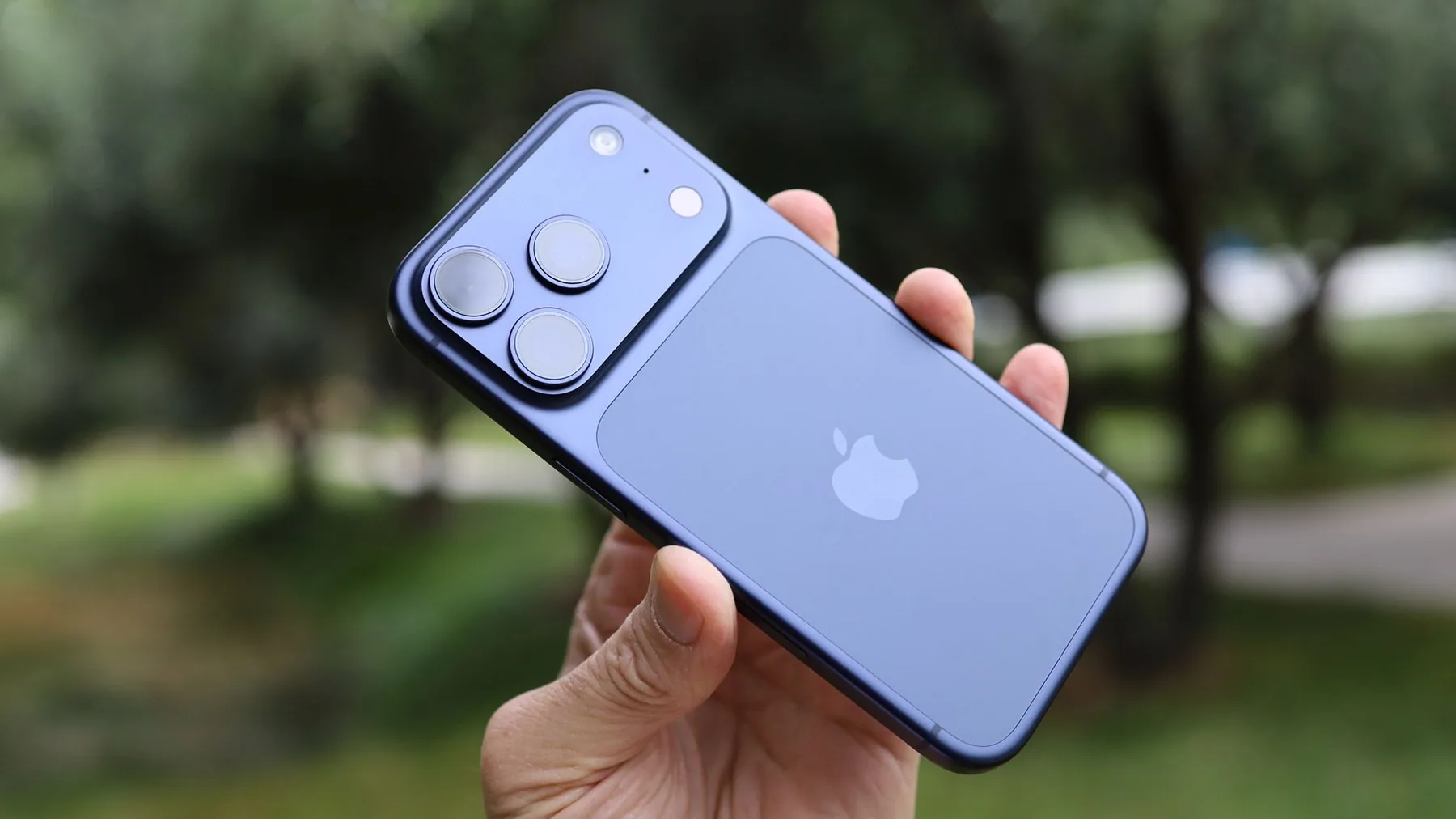
Apple’s next-generation iPhone lineup is already shaping up to be one of its most talked-about releases in years, even though it’s still largely based on leaks and analyst predictions. The iPhone 18 series is expected to bring a mix of design tweaks, hardware upgrades, pricing pressure, and a major shift in how Apple structures its release cycle.

At the center of the rumors is a lineup that appears more fragmented than usual. Reports suggest Apple could release the iPhone 18 Pro, Pro Max, and possibly a new foldable device often referred to as the iPhone Fold or iPhone Ultra in the fall of 2026. Meanwhile, the standard iPhone 18, iPhone 18E, and a second-generation iPhone Air may be pushed to early 2027, marking a major departure from Apple’s traditional unified fall launch strategy.
Design changes are expected to be subtle rather than dramatic. The overall size and shape of the devices are likely to remain familiar, with 6.3-inch and 6.9-inch displays continuing for the Pro models. However, Apple may refine key elements such as the camera bump and overall rear design. The base model is rumored to feature a smaller camera housing, while the Pro variants retain their signature “plateau” design for the triple-camera system.
One of the most discussed potential changes is the Dynamic Island. Some leaks suggest Apple may shrink it significantly or even move toward under-display Face ID technology. This could result in a smaller cutout or a more minimal front display, though conflicting reports indicate the Dynamic Island may remain but be reduced in size rather than removed entirely.
Color options could also shift, with rumored finishes including light blue, dark cherry, and dark gray, replacing or expanding on Apple’s usual palette. There were even earlier mentions of a coffee brown option, though that now appears unlikely.
Under the hood, the iPhone 18 is expected to run on Apple’s next-generation A20 chip, potentially built using a new wafer-level multi-chip architecture that integrates CPU, GPU, RAM, and neural engine more tightly. This could significantly improve performance efficiency and AI processing capabilities. The lineup may also adopt Apple’s C2 modem and expanded satellite connectivity, possibly moving beyond emergency messaging into broader communication features.
Memory and storage pressures across the tech industry are also influencing expectations. Some reports suggest Apple could increase RAM to 12GB on higher-end models, while others hint at cost-driven compromises on certain variants due to global component shortages.
Battery life is another major area of speculation. The iPhone 18 Pro may feature a significantly larger battery, potentially exceeding 5,000 mAh in some configurations, with regional differences depending on SIM card design. This would mark a continuation of Apple’s recent shift toward prioritizing endurance over ultra-thin design.
Camera upgrades are also expected. The Pro models could introduce variable aperture technology, allowing the camera to physically adjust light intake for improved low-light performance and depth control similar in concept to DSLR-style lenses. A faster telephoto lens and improved front-facing camera across most models are also widely anticipated.
Despite all these upgrades, not everything points upward. Some analysts warn that Apple could simplify or reduce certain components in response to rising production costs and memory shortages. This has led to speculation that some features may feel less like upgrades and more like trade-offs.
Pricing is another major uncertainty. Following price increases across Macs, iPads, and other Apple products, expectations are rising that the iPhone 18 series will also become more expensive. Some estimates suggest modest increases of $50–$100, while more aggressive forecasts point to price jumps of up to $200 for Pro models. The rumored foldable iPhone could push Apple’s pricing ceiling beyond $2,000 for the first time.
Taken together, the iPhone 18 lineup looks less like a single product refresh and more like a structural shift in Apple’s smartphone strategy. Between staggered release dates, expanding product tiers, AI-driven hardware requirements, and rising costs, Apple appears to be reshaping not just the iPhone itself, but how and when users access it.
What remains consistent is Apple’s influence over the smartphone cycle. Whether through design evolution, software requirements, or pricing strategy, the iPhone 18 is positioned to once again set the tone for the entire industry.