
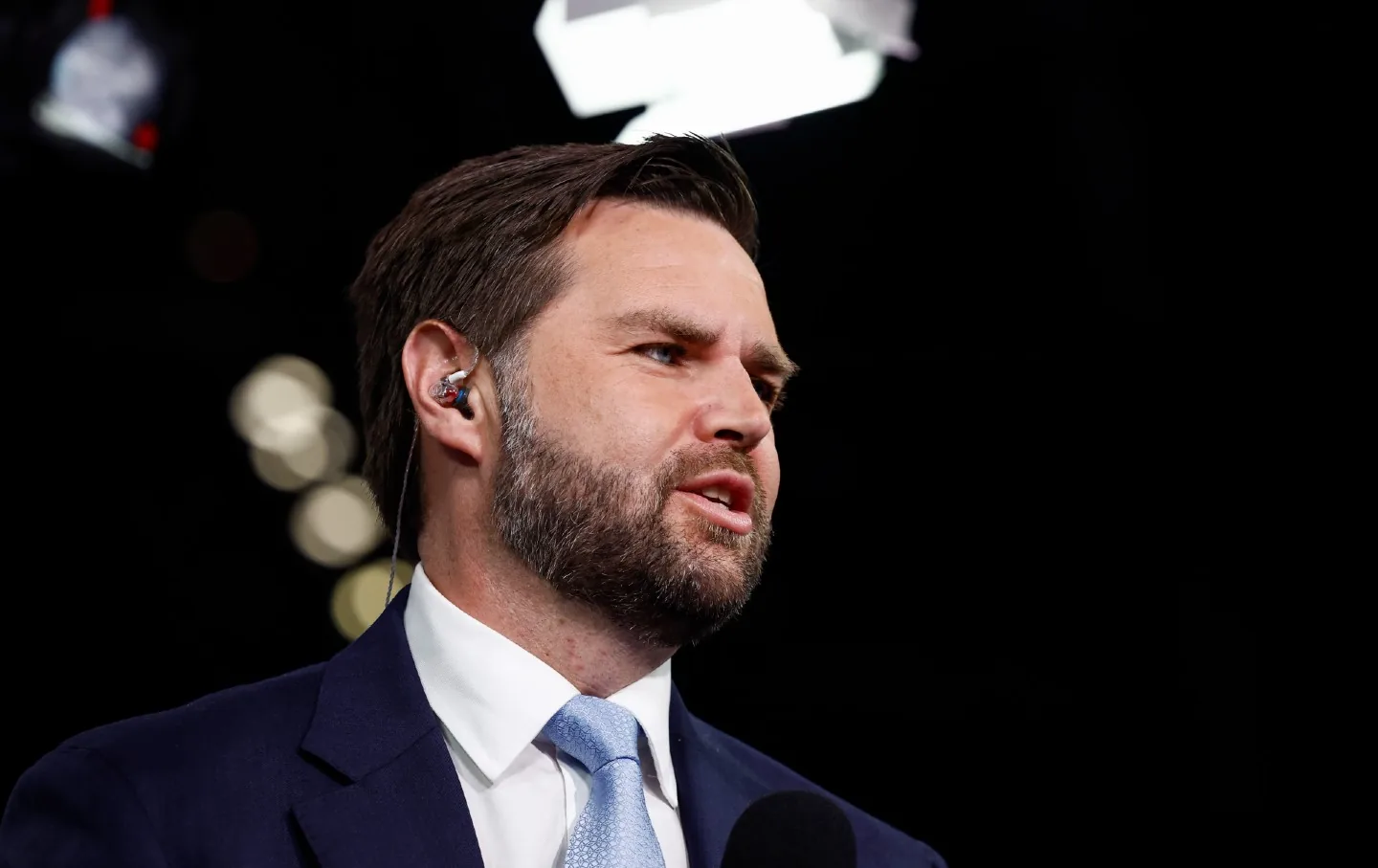
U.S. Vice President JD Vance has taken center stage in defending a tentative agreement between the United States and Iran aimed at ending the ongoing conflict, even as the deal faces growing political scrutiny from both sides of the aisle.
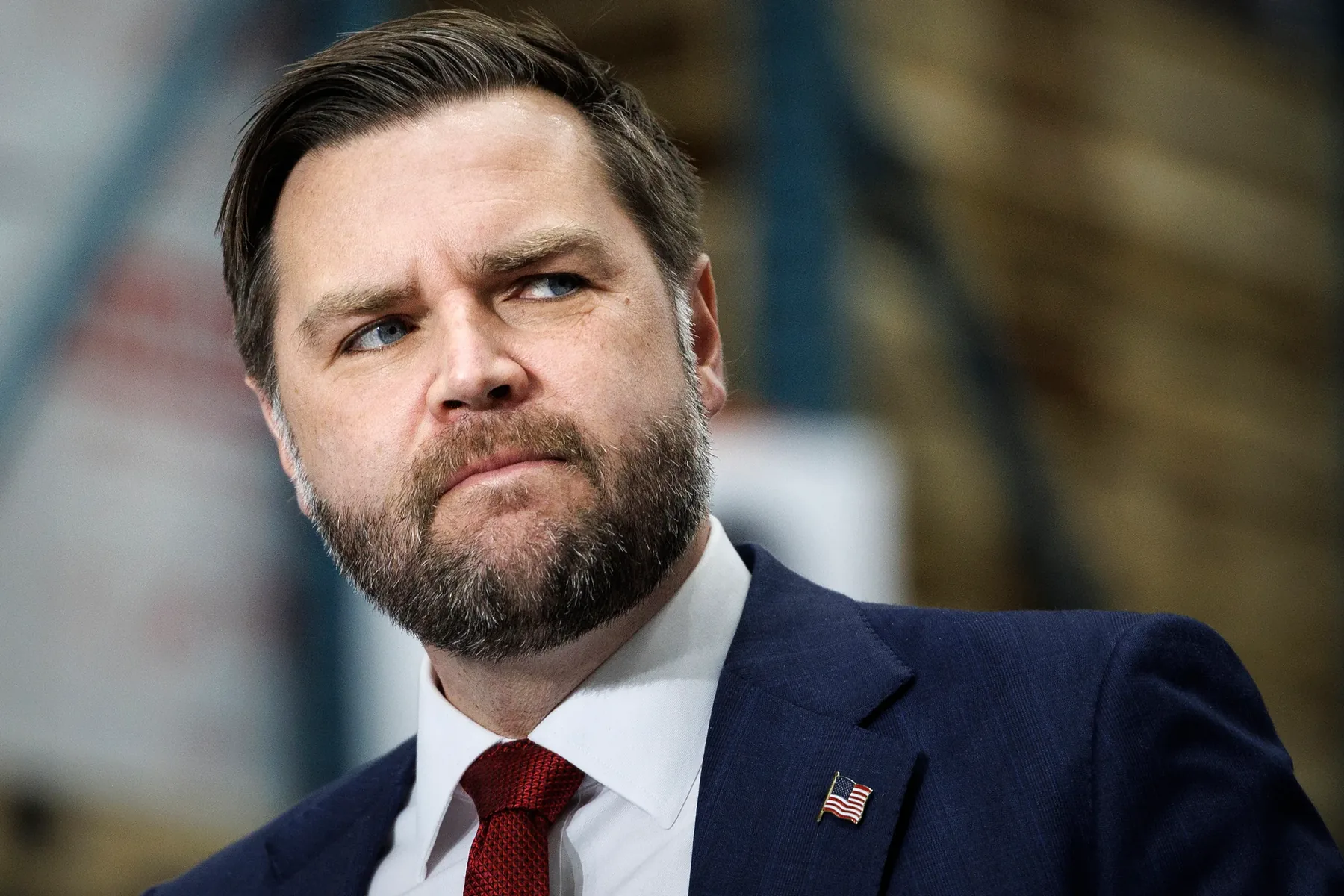
Originally expected to focus on promoting his new book, Vance instead spent the week publicly championing the memorandum of understanding signed between President Donald Trump and Iranian President Masoud Pezeshkian. The agreement is intended to pause hostilities and open a 60-day window for negotiations toward a broader settlement.
The vice president has appeared in multiple media interviews and released a video defending the deal, positioning himself as a leading advocate for what the administration describes as a step toward ending a prolonged regional war.
A long-time skeptic of foreign military interventions, Vance has embraced a central role in the negotiations, marking a notable shift from his earlier reluctance to engage publicly on the conflict when it escalated earlier this year.
The agreement has sparked significant debate within the Republican Party. Critics, including prominent conservative figures and lawmakers, argue that the framework offers concessions to Iran without securing firm commitments on nuclear restrictions or regional security concerns.
Some Republicans have compared the arrangement to previous diplomatic efforts, while others have questioned whether it adequately advances U.S. strategic objectives. Conservative commentators have also described the deal as overly favorable to Tehran.
The White House has defended Vance’s role, calling him a key member of the president’s national security team and emphasizing that he was trusted to help lead negotiations alongside senior advisers.
Vance, meanwhile, has insisted that Iran must comply with its obligations under the agreement. He has warned that failure to do so would result in the loss of any benefits outlined in the deal.
Despite internal GOP tensions, some allies argue that Vance’s involvement strengthens his political profile and demonstrates foreign policy leadership. Others caution that his visibility also ties his political future closely to the agreement’s success or failure.
As the 60-day negotiation period begins, the durability of the deal and the political consequences for those associated with it remain uncertain.