
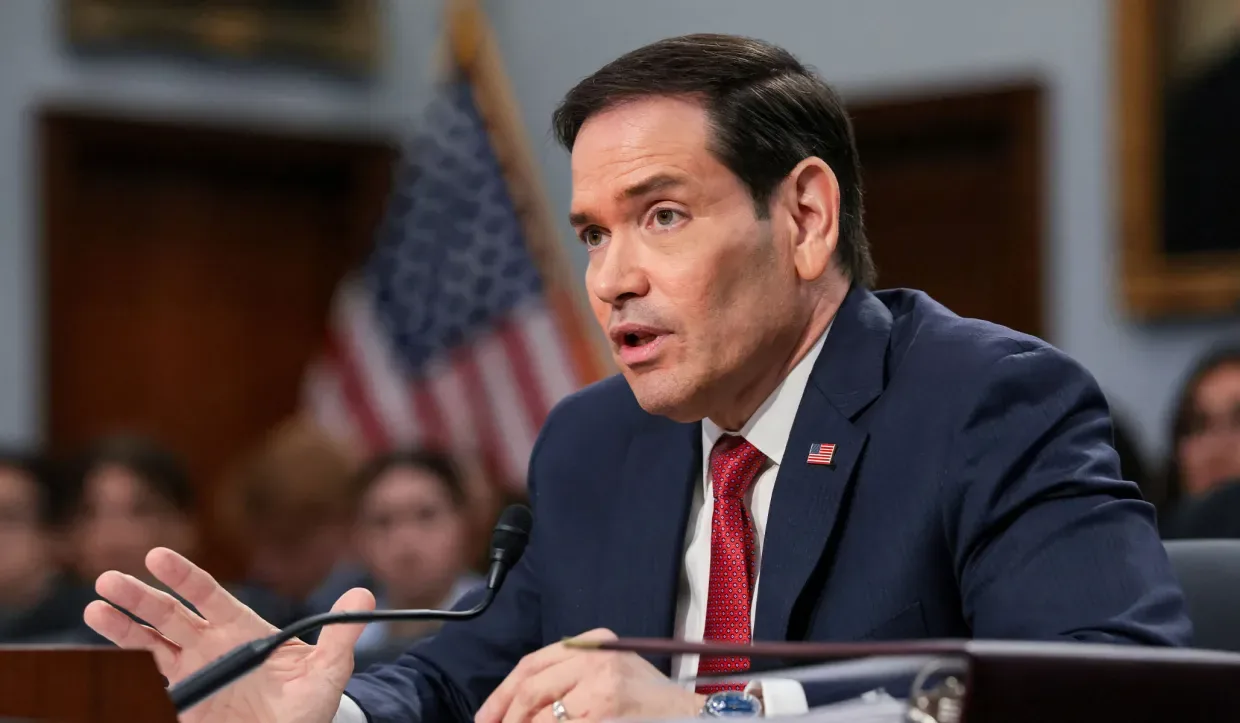
U.S. Secretary of State Marco Rubio delivered a stark assessment of U.S.–Cuba relations during back-to-back hearings before the Senate Foreign Relations Committee and the House Foreign Affairs Committee, describing Cuba as a country facing deep economic collapse and mounting security risks to the United States.
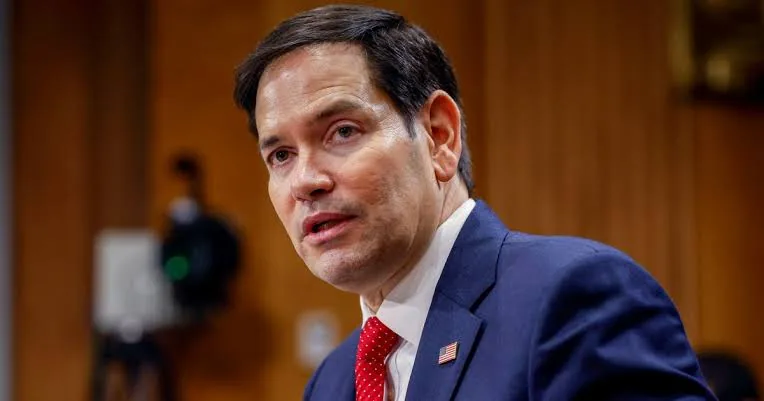
Rubio told lawmakers that Cuba is “on the verge of being a failed state,” arguing that decades of economic mismanagement have left the country structurally weakened. He pointed to the dominance of GAESA, a military-controlled conglomerate that he said oversees a large share of Cuba’s economy and operates outside normal state financial channels. According to Rubio, this system prevents revenue from reaching ordinary citizens or the national treasury in any meaningful way.
He also highlighted ongoing infrastructure breakdowns, including repeated power outages, fuel shortages, and the long-term population decline driven by emigration. In his view, these conditions reflect a system that is unable to reform without fundamental political change.
Rubio defended the administration’s approach to humanitarian assistance, saying the United States has proposed around $100 million in aid to be delivered through non-governmental channels such as the Catholic Church rather than Cuban state institutions. He argued that direct government-to-government aid risks being diverted through state-linked networks, particularly those tied to GAESA. According to Rubio, Havana initially rejected the offer and later failed to agree on distribution terms.
In addition to economic concerns, Rubio raised national security warnings, alleging that intelligence-linked activities by Russia and China continue to operate from Cuban territory and target the southeastern United States. He also accused the Cuban government of supporting ideologically driven groups and destabilizing activities across parts of Latin America, claims that have long been part of U.S. tensions with Havana.
He described Cuba as “a failed state that’s friendly to our adversaries 90 miles from our shores,” reinforcing the administration’s view that the island poses a strategic risk to U.S. security interests. The comments come amid tightened sanctions and renewed political pressure from Washington, as well as a broader shift in U.S. policy under President Donald Trump’s second administration.
While Rubio stopped short of explicitly calling for regime change, his remarks emphasized that meaningful improvement in U.S.–Cuba relations would require what he described as systemic reform or a new governing mindset in Havana.