
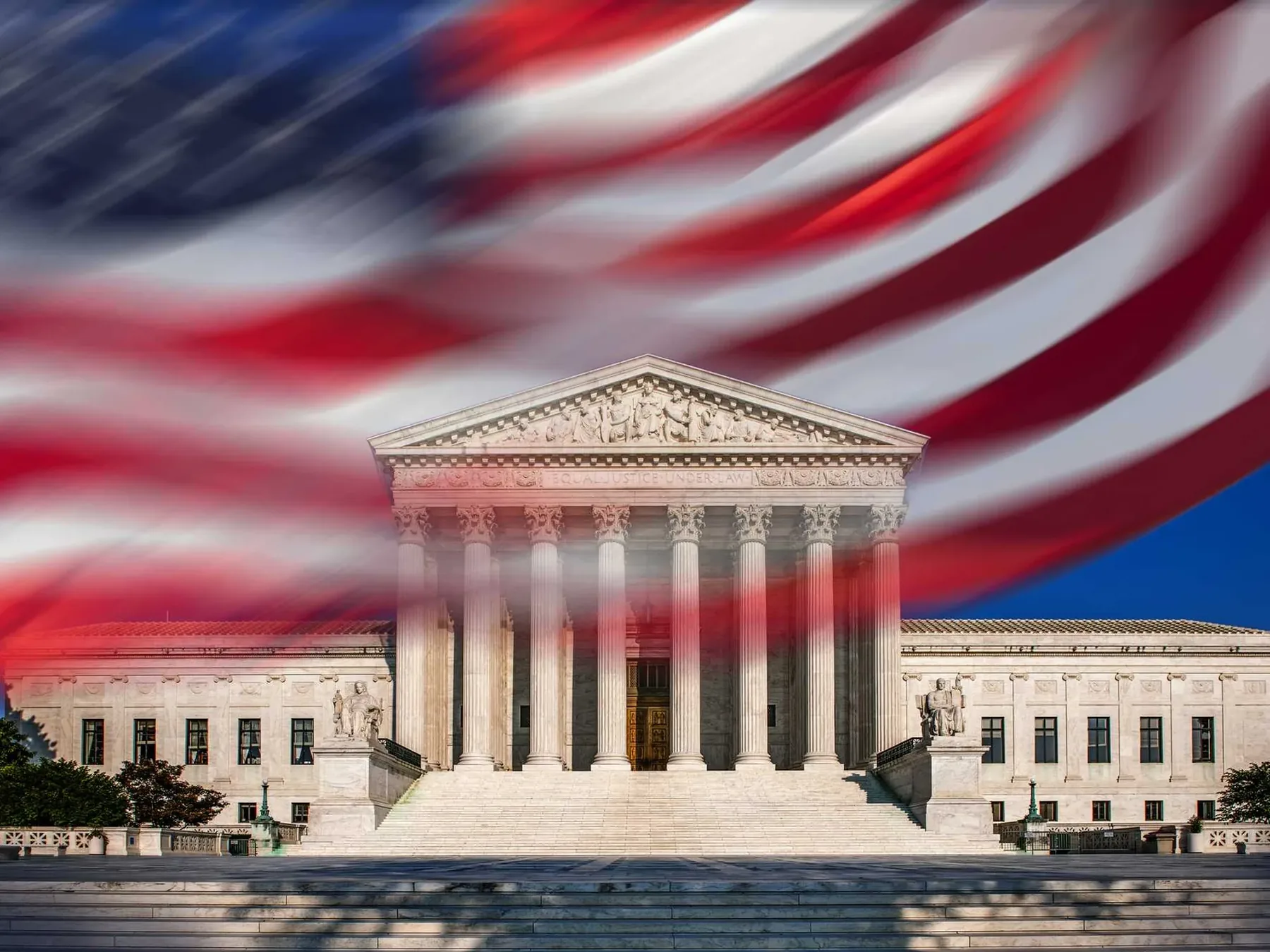
The U.S. Supreme Court is preparing to issue a highly anticipated ruling on birthright citizenship, a decision that could become one of the most significant constitutional judgments in recent years.
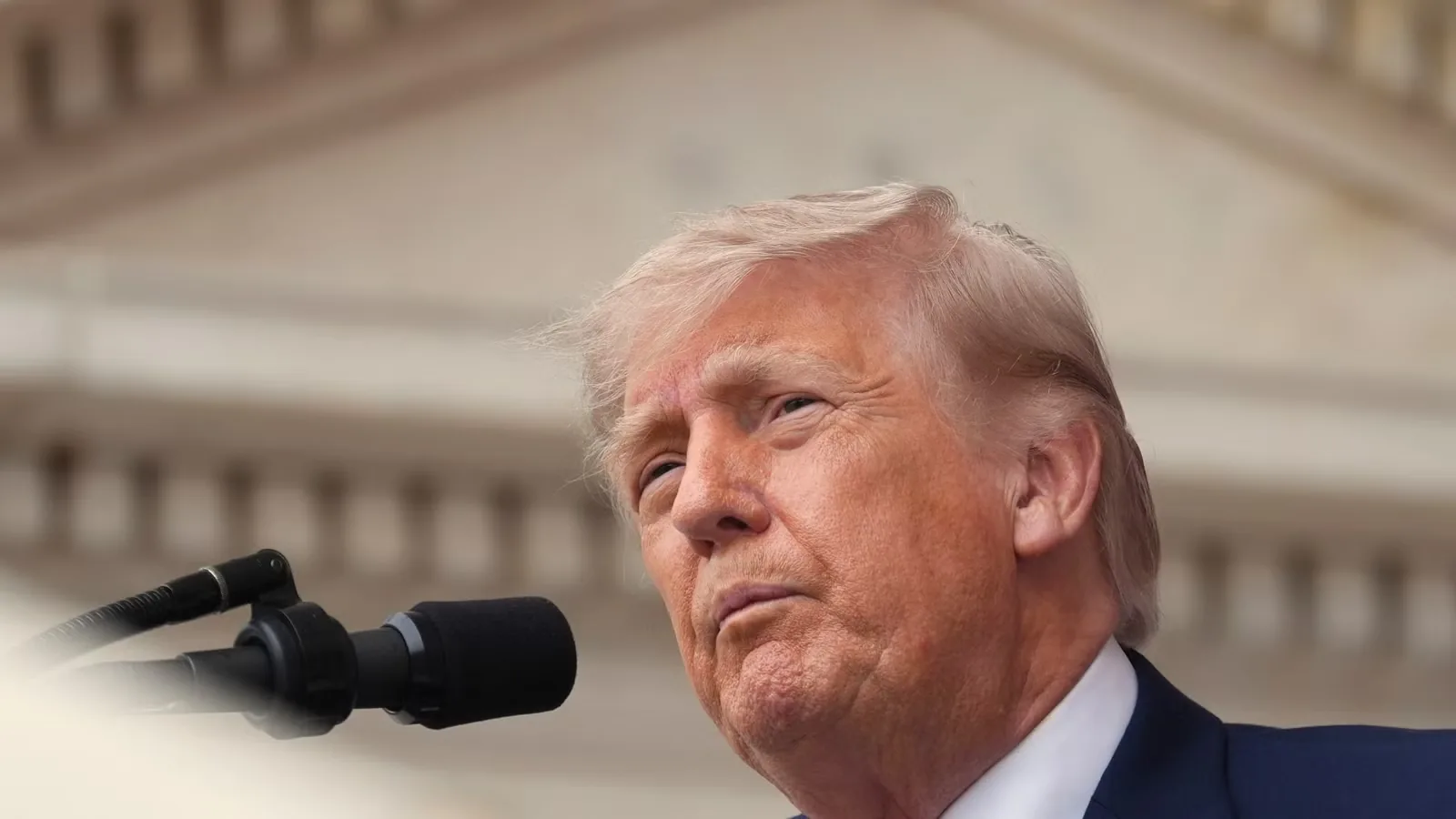
The case, known as Trump v. Barbara, centers on President Donald Trump’s effort to restrict automatic citizenship for certain children born on American soil. The ruling is expected in the coming days as the Court concludes its current term and could have far-reaching implications for immigration policy, presidential authority, and the interpretation of the 14th Amendment.
The legal battle began shortly after Trump returned to office and signed an executive order titled “Protecting the Meaning and Value of American Citizenship.” The order seeks to deny automatic U.S. citizenship to children born in the United States if neither parent is a U.S. citizen nor a lawful permanent resident at the time of birth.
For more than a century, birthright citizenship has been widely understood to be guaranteed under the 14th Amendment, which states that all persons born or naturalized in the United States and subject to its jurisdiction are citizens of the United States.
The Trump administration argues that the phrase “subject to the jurisdiction thereof” does not apply to children of undocumented immigrants and certain temporary visa holders. Multiple federal courts have blocked the executive order from taking effect, leading the dispute to the nation’s highest court.
The Supreme Court heard oral arguments earlier this year, with the case drawing intense national attention due to its potential impact on immigration and citizenship laws.
A decision could be announced at any time before the Court adjourns for its summer recess. While the justices are scheduled to release additional opinions this week, it remains unclear whether the birthright citizenship case will be among them. Court observers expect a ruling no later than early July.
Trump has made opposition to birthright citizenship a recurring theme of his immigration agenda. He has argued that the policy is being exploited by people seeking to secure U.S. citizenship for their children and has repeatedly urged the courts to revisit longstanding interpretations of the Constitution.
In several social media posts this year, Trump claimed the original purpose of the 14th Amendment was to protect formerly enslaved people after the Civil War rather than to provide automatic citizenship to all children born in the country regardless of their parents’ immigration status.
The president has also expressed skepticism that the Supreme Court will side with his administration. In recent statements, he predicted the Court would likely rule against his position and warned of economic and social consequences if birthright citizenship remains unchanged.
During oral arguments, however, several justices appeared unconvinced by the administration’s legal reasoning.
Chief Justice John Roberts reportedly challenged the government’s attempt to broaden narrow historical exceptions to citizenship, such as those involving children of foreign diplomats, into a much wider rule affecting millions of people.
Other conservative justices, including Neil Gorsuch, also questioned the historical and legal foundations of the administration’s interpretation, suggesting concerns about departing from longstanding constitutional precedent.
Legal scholars remain divided over the case, though many constitutional experts believe the administration faces significant obstacles.
David Franklin, a constitutional law professor at DePaul University and former clerk to Justice Ruth Bader Ginsburg, has argued that the executive order conflicts with constitutional text, historical practice, legal precedent, and the practical consequences of citizenship law.
According to Franklin, the administration's position is unlikely to survive judicial scrutiny, even before the current conservative-majority Court.
Others disagree. Conservative legal scholar John Eastman argues that the landmark 1898 Supreme Court decision in United States v. Wong Kim Ark has been interpreted too broadly. He contends that the ruling only addressed children born to lawful permanent residents and does not necessarily apply to children of undocumented immigrants.
Eastman maintains that the Constitution does not explicitly guarantee citizenship to every child born within U.S. borders regardless of parental status, a view that has gained support among some conservative legal thinkers.
The debate over birthright citizenship is not entirely new. While the issue is now largely associated with Republican immigration policy, there was once bipartisan support for limiting citizenship rights for children of undocumented immigrants.
In 1993, then-Senator Harry Reid introduced legislation that would have denied automatic citizenship to children born to parents who were not lawfully admitted into the United States. The proposal never became law, and Reid later apologized for supporting it, saying he did not fully understand the issue at the time.
Over the following decades, birthright citizenship became firmly embedded within the Democratic Party’s immigration platform, while challenges to the policy remained largely confined to conservative legal circles.
Supporters of birthright citizenship point to the long-standing interpretation of the 14th Amendment and the Supreme Court’s historic rulings as evidence that the right is firmly established under American law.
Internationally, the United States is not alone in granting citizenship based on place of birth. Approximately 30 countries provide some form of birthright citizenship, particularly throughout North and South America.
Countries including Mexico, Argentina, Brazil, Chile, Uruguay, Peru, Venezuela, Costa Rica, Jamaica, Belize, and several others automatically grant citizenship to most children born within their territories.
In contrast, many nations across Europe, Asia, Africa, and the Middle East primarily rely on ancestry-based citizenship systems, commonly known as jus sanguinis. Countries such as Germany and France offer citizenship to some children born within their borders, but typically require parents to meet residency or legal status conditions. Nations including Japan, China, and Saudi Arabia generally do not provide automatic citizenship based solely on birthplace.
The Supreme Court’s forthcoming decision is expected to provide clarity on whether the Constitution permits a president to restrict birthright citizenship through executive action and could shape American immigration law for generations to come.