
Kenya’s economy is projected to regain momentum and grow by 5.1 per cent in 2027, with the National Treasury expecting easing external pressures, stronger investment and improving domestic conditions to support the recovery.
The forecast comes after Treasury revised Kenya’s 2026 economic growth projection downwards to 5.0 per cent from an earlier estimate of 5.3 per cent, citing the impact of the ongoing conflict in the Middle East on economic activity.
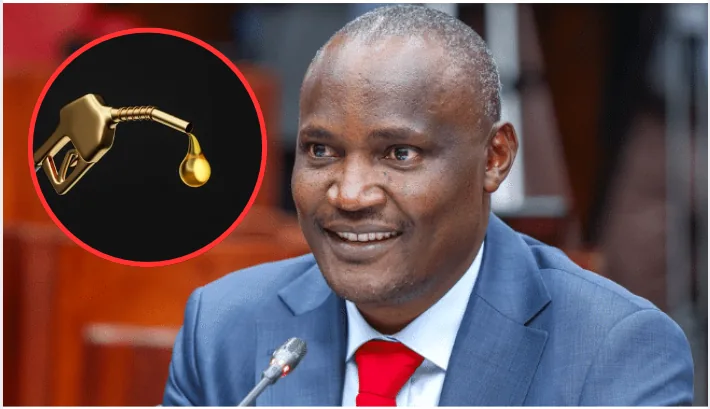
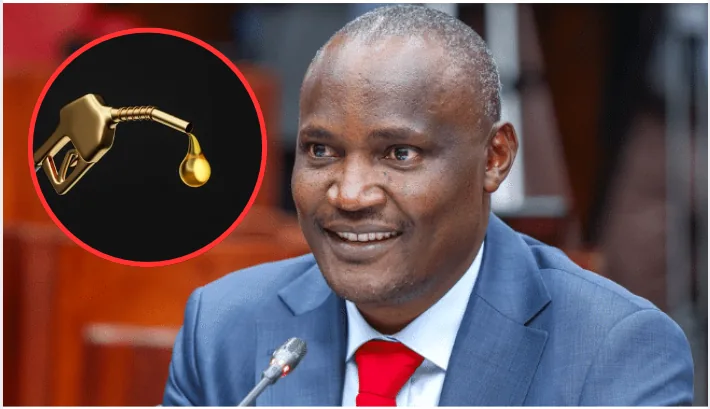
Treasury expects the effects of the conflict to ease in 2027, although elevated international oil prices could continue to increase fuel and transport costs while putting pressure on inflation and the country’s import bill.
The outlook was contained in the 2026 Budget Review and Outlook Paper (BROP), published by the National Treasury on Tuesday, August 11.
“Growth is projected at 5.0 per cent in 2026 and 5.1 per cent in 2027, supported by resilient domestic demand, improving credit conditions, strong services activity and continued investment,” Treasury said.
The government expects lower borrowing costs to support private-sector lending, household consumption and investment. Moderating inflation and easing production costs are also expected to improve business and investor confidence.
The Kenyan shilling is projected to remain relatively stable, supported by strong remittance inflows, portfolio investments and foreign direct investment.
However, Treasury warned that prolonged geopolitical tensions and tighter global financial conditions could place renewed pressure on the exchange rate.
Kenya’s current account deficit is projected to improve from 3.0 per cent of GDP in 2026 to 2.8 per cent in 2027. Agriculture, tourism and manufactured goods are expected to support export earnings, while remittances will continue to provide an important source of foreign exchange.
Public-Private Partnerships (PPPs) are also expected to remain central to the government’s investment strategy, with private capital being targeted to finance major infrastructure projects while reducing pressure on public finances.
The industrial sector is expected to remain resilient, supported by the Affordable Housing Programme, ongoing infrastructure projects such as the Rironi-Mau Summit Road expansion, settlement of verified pending bills and increased PPP investment.
Treasury is also banking on reforms aimed at improving Kenya’s business environment by reducing regulatory bottlenecks and improving market efficiency.
Strategic privatisation and divestiture of State-Owned Enterprises will form part of the government’s broader investment strategy. Treasury expects these reforms to improve efficiency, attract private capital and create additional fiscal space for priority development programmes.
Despite the positive growth outlook, the government has identified several risks that could derail the projected recovery.
These include prolonged geopolitical tensions, higher international oil prices, adverse weather conditions, weaker global economic growth and disruptions to international trade.
Higher oil prices remain a particular concern because they could increase transport and production costs, raise inflation and put additional pressure on the shilling and Kenya’s import bill.
For 2027, however, Treasury expects easing external pressures, stronger investment, cheaper credit and resilient domestic demand to support the economy and keep growth on a 5.1 per cent trajectory.