
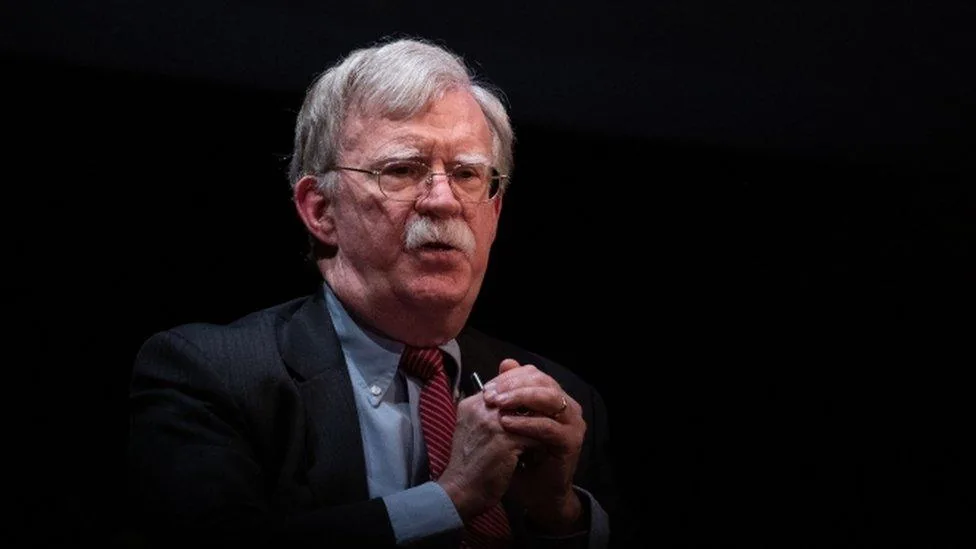
Former U.S. National Security Adviser John Bolton has warned that President Donald Trump’s public focus on gasoline prices is making America’s negotiating position with Iran more predictable and potentially easier to exploit.
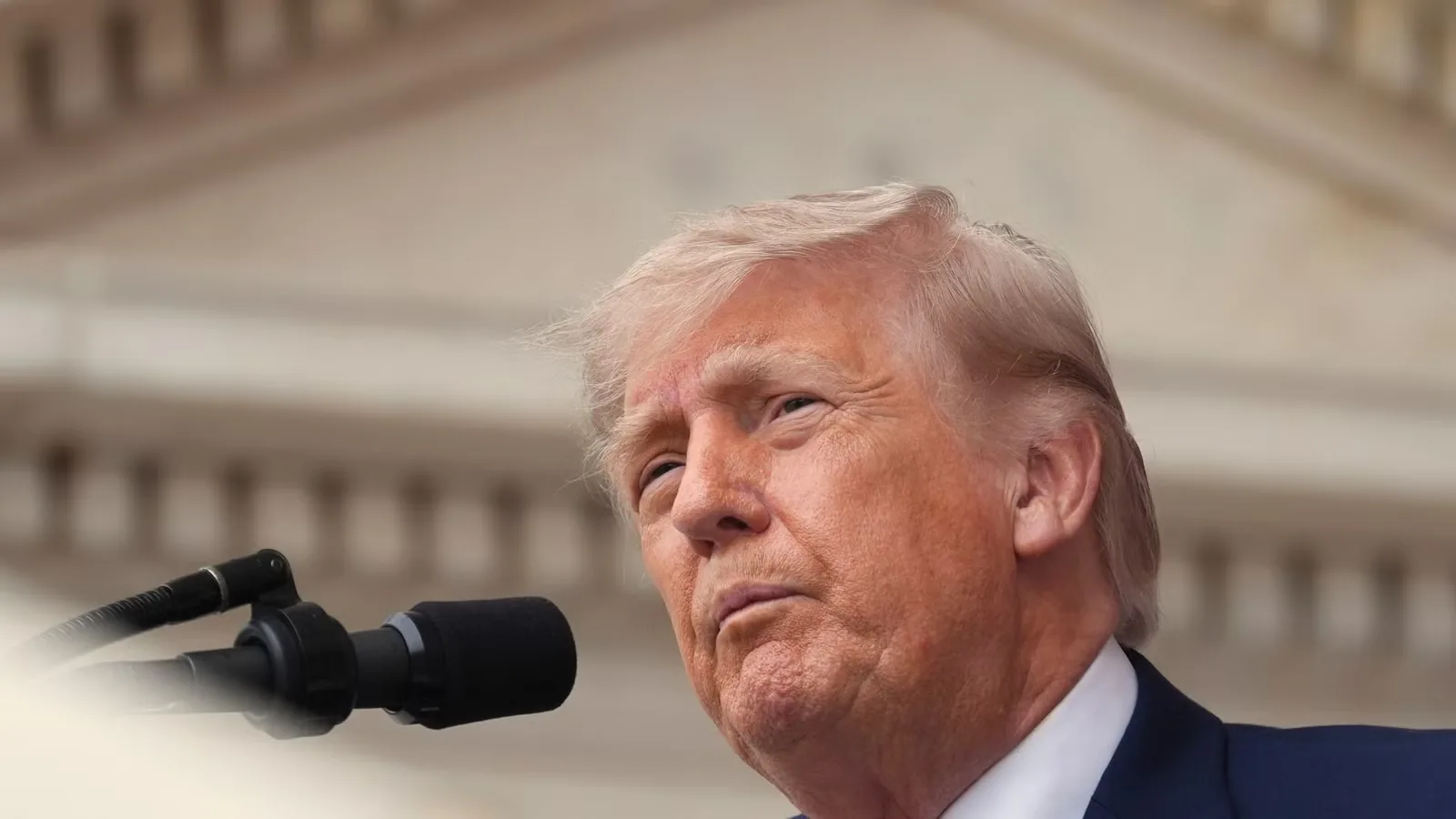
Bolton argued that Trump’s repeated emphasis on lowering fuel costs is not just a domestic political concern but also a strategic vulnerability. In a post on X, he said the president’s fixation on pump prices risks signaling Washington’s priorities too clearly to Tehran.
“It's a legitimate political concern, but it also opens him up to vulnerabilities when negotiating with the Iranians,” Bolton wrote, suggesting that U.S. messaging around energy costs may be weakening leverage in ongoing diplomatic talks.
In an interview with Global News, Bolton expanded on that view, saying Trump’s primary objective appears to be reopening oil flows through the Strait of Hormuz and reducing gasoline prices for American consumers. He argued that this goal is now “so evident” that Iran has been able to adjust its negotiating posture accordingly.
According to Bolton, this dynamic places the president in a difficult position where he is trying to balance political pressure at home with the demands of high-stakes international negotiations. He suggested that Trump is caught between the desire to secure what he would present as a historic diplomatic win and the risk of making concessions that could be politically costly.
Energy markets remain a central pressure point in the broader conflict. Before the escalation of tensions earlier this year, U.S. gasoline prices averaged just under $3 per gallon. Since the conflict intensified, national averages have climbed to just over $4 per gallon, reflecting both supply disruptions and increased geopolitical risk in global oil markets.
Analysts note that a successful agreement with Iran could help reduce some of the uncertainty driving oil prices higher, particularly if it restores stability to shipping routes through the Strait of Hormuz. However, financial institutions such as Goldman Sachs have warned that continued disruption could push crude oil prices above $100 per barrel, underscoring how sensitive global markets remain to developments in the region.
Even in the event of a diplomatic breakthrough, experts caution that relief at the pump is unlikely to be immediate. The U.S. Energy Information Administration points out that gasoline prices are influenced not only by crude oil costs but also by refining capacity, distribution systems, and taxation. As a result, any decline in global oil prices would take time to filter through to consumers.
Industry forecasts also suggest that high fuel costs could persist through the summer travel season, even if geopolitical conditions improve. Some analysts project that gasoline could average around $4.80 per gallon if disruptions continue, while others suggest that normalization could take months or even years depending on supply stability and weather-related risks such as hurricane activity.
Energy analyst Patrick De Haan has noted that while an Iran deal could potentially bring national averages below $3.75 per gallon in an optimistic scenario, such projections depend heavily on rapid stabilization of global supply chains and remain subject to significant uncertainty.
For now, Bolton’s comments add to a growing debate in Washington over whether the administration’s public messaging on energy prices is strengthening domestic political support or weakening its hand in complex international negotiations with Iran.