
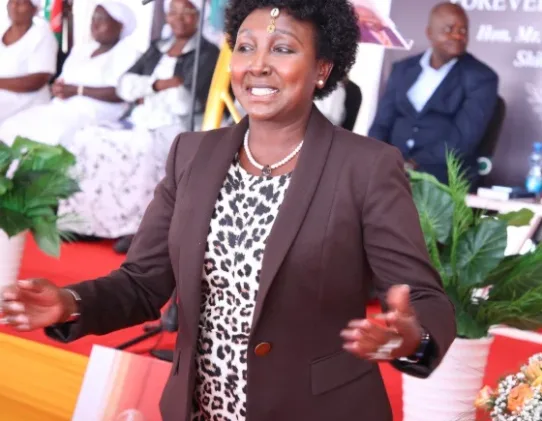
Gladys Shollei has defended President William Ruto over the ongoing fuel price crisis, saying Parliament should share responsibility for the taxes and policies that affect fuel prices in Kenya.
Speaking during a morning interview on Monday, May 18, 2026, Shollei said many Kenyans were unfairly blaming President Ruto for the rising fuel prices while lawmakers continue approving taxes and levies imposed on petroleum products.
According to Shollei, Parliament plays a major role in determining the final pump price because MPs pass finance laws and taxation policies that directly affect fuel costs across the country.
“This fuel issue is not entirely President Ruto’s problem. Parliament also carries responsibility because we pass the taxes and duties charged on fuel,” Shollei said.
Her remarks come at a time when Kenyans continue to struggle with the rising cost of living following the latest fuel price increase announced by the Energy and Petroleum Regulatory Authority (EPRA).
Under the latest review, fuel prices reached some of the highest levels recorded in Kenya in recent years. Economic analysts say the increases reflect a combination of high global oil prices, a weakening Kenyan shilling, heavy taxation on fuel products, and international supply disruptions linked to conflicts in oil-producing regions.
Compared to previous years, fuel prices in Kenya have risen sharply since 2022, increasing transport costs, food prices, electricity production expenses, and the general cost of doing business. Many families now spend a larger portion of their income on transport and basic household needs.
The fuel hikes also triggered a nationwide matatu and transport strike, with matatu operators, boda boda riders, truck drivers, and taxi operators protesting the high fuel costs. Protesters argue that expensive fuel has made transport businesses difficult to sustain and pushed fares beyond the reach of many ordinary Kenyans.
Several parts of Nairobi and other towns experienced transport disruptions as thousands of commuters struggled to get to work after many public service vehicles stayed off the roads during the demonstrations.
READ ALSO: Raila Odinga’s son, Raila Odinga Jr breaks silence amid Mbadi and Winnie Odinga Differences
Gladys Shollei said Parliament has the power to help lower fuel prices by reviewing taxes imposed on petroleum products through amendments to finance laws and budget policies. Lawmakers can also push for tax relief measures, reduce levies charged on fuel imports, and review the fuel stabilization programs managed by the government.
At the same time, the Kenya Kwanza administration says it has already introduced measures to reduce pressure on consumers. Government officials argue that fuel subsidy programs, tax adjustments, and interventions in the energy sector have helped prevent fuel prices from rising even higher.
Treasury Cabinet Secretary John Mbadi recently defended the government’s handling of the crisis, saying global oil market pressures continue to affect many countries worldwide.
Despite those explanations, pressure continues to grow on the government as Kenyans demand immediate action to reduce fuel prices and lower the cost of living. The fuel crisis has now become one of the biggest economic and political challenges facing the Kenya Kwanza administration.