
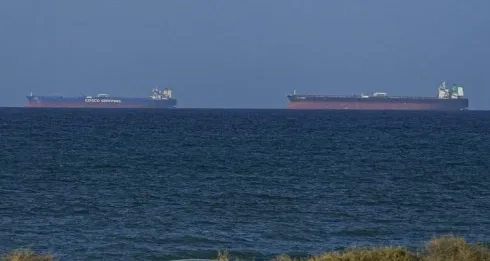
Piracy off the coast of Somalia is rising again as shipping companies avoid dangerous Middle East routes and redirect vessels through waters once feared for pirate attacks.
The growing conflict involving Iran has disrupted movement through the Strait of Hormuz, one of the world’s busiest oil and trade routes. The waterway handles nearly 20% of global oil shipments and plays a major role in international trade.
As tensions rise in the Gulf region, many commercial ships now avoid the Strait of Hormuz and travel around the southern tip of Africa instead. The longer route adds days or even weeks to journeys and sends more vessels through the Somali basin, an area pirates heavily targeted in the late 2000s and early 2010s.
Maritime security agencies say pirate groups have already taken advantage of the increased traffic.
According to the United Kingdom Maritime Trade Operations (UKMTO), pirates currently hold at least three vessels, including oil tankers and a cargo ship captured between April and May 2026. Security officials say pirates hijacked one vessel near the coast of Yemen before moving it toward Somalia.
The attacks have renewed fears of a major return of Somali piracy after years of relative calm.
At the height of the piracy crisis in 2011, Somali pirates carried out more than 230 attacks on ships and cost the global economy billions of dollars through ransom payments, military operations, and rising insurance costs.
International naval forces later reduced the attacks by increasing patrols in the Indian Ocean and Gulf of Aden. However, experts now warn that the latest Middle East conflict could weaken those security operations.
READ ALSO: Vladimir Putin to visit Chinese leader Xi Jinping days after US President Trump’s trip
Some analysts say global powers have redirected military resources toward protecting oil shipments and monitoring tensions involving Iran, leaving fewer naval forces available near Somalia.
Security experts also blame Somalia’s long-running political instability and weak coastal security for allowing pirate networks to regroup.
Somali lawmaker Mohamed Dini warned that pirate groups are exploiting the global crisis and taking advantage of changing shipping routes. He also claimed that some pirate networks may now cooperate with Houthi fighters in Yemen, who have targeted commercial ships in the Red Sea during the Israel-Hamas conflict.
The European Union Naval Force, known as Operation Atalanta, confirmed increased pirate activity near northern Somalia and urged ships crossing the region to remain alert and report suspicious activity immediately.
Despite the growing threat, the EU force says it continues working with international partners and Somali authorities to stop further attacks.
The return of piracy could push global shipping costs even higher at a time when the world already faces rising fuel prices, supply chain disruptions, and economic uncertainty caused by conflicts in the Middle East and Eastern Europe.