
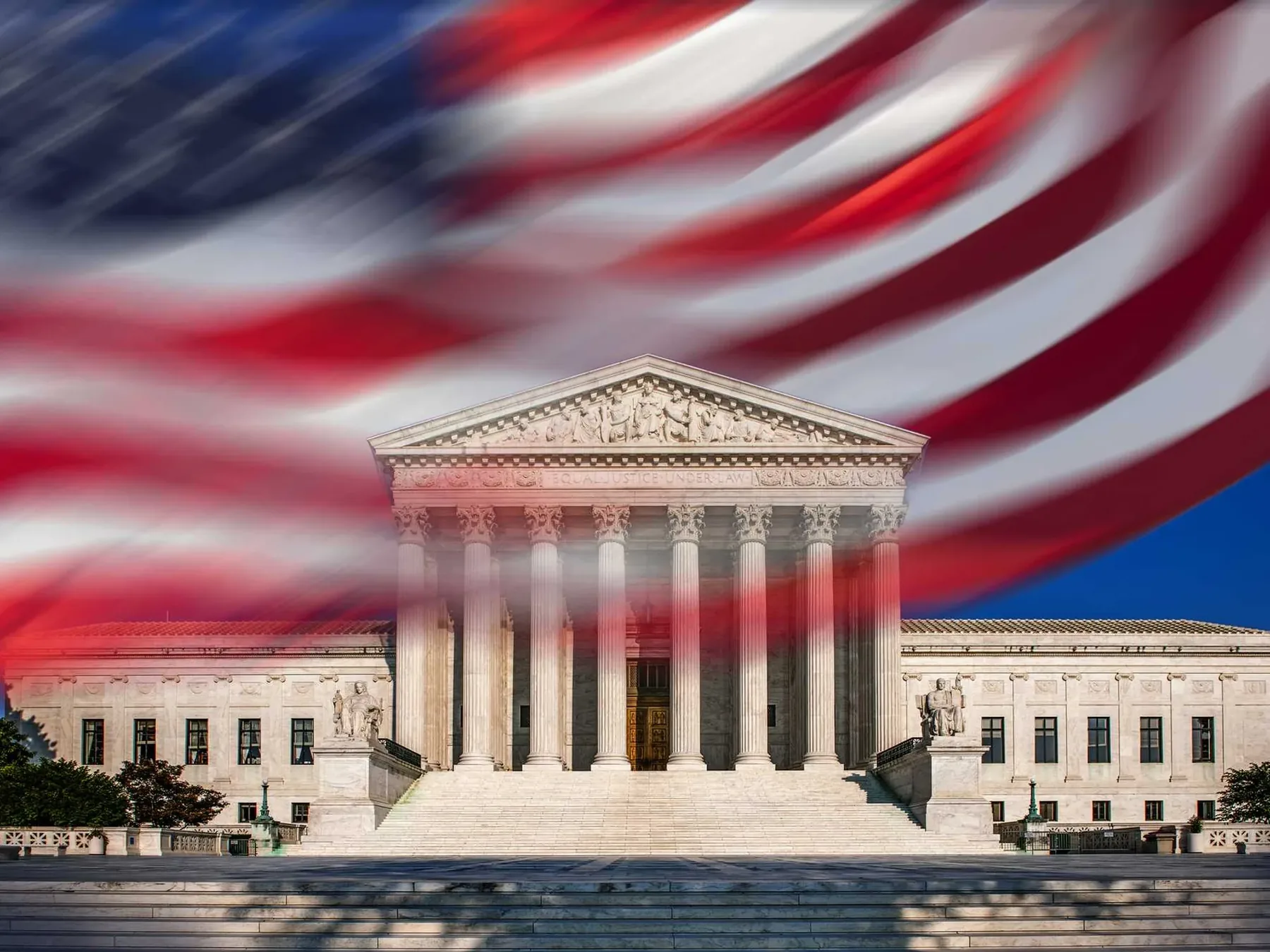
As the U.S. Supreme Court approaches the end of its current term, attention is increasingly focused on a series of major cases that could shape the future of presidential authority and determine how far President Donald Trump can go in exercising executive power.
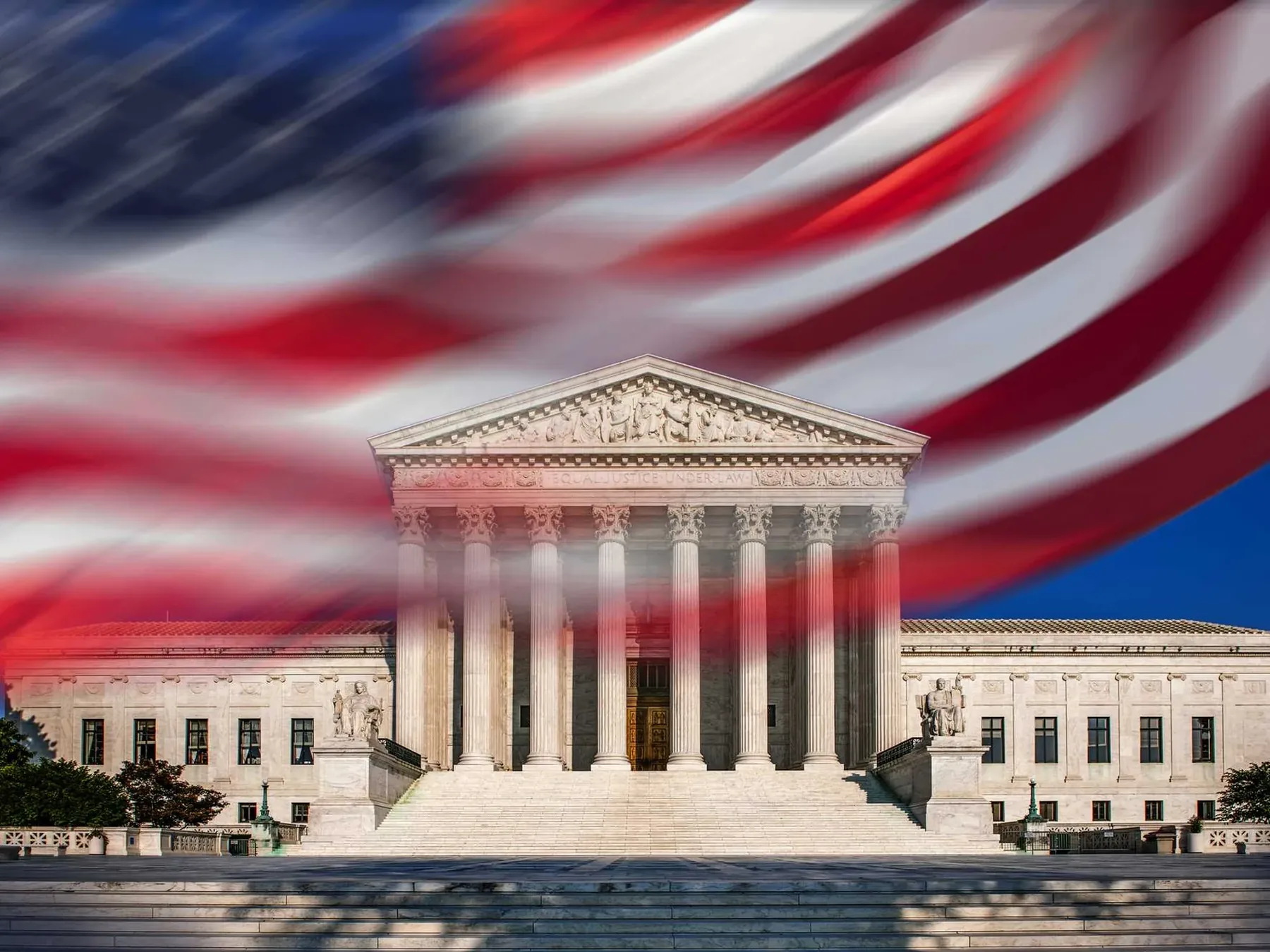
With only a handful of rulings remaining, legal analysts expect some of the Court’s most significant decisions to be released in the final days of the term. Several of those cases directly involve Trump’s efforts to expand presidential control over government policy, immigration, and federal agencies during his second term in office.
The Supreme Court issued five decisions on Tuesday, with additional rulings expected in the coming days. Although the Court traditionally concludes its term by the end of June, some opinions occasionally extend into early July.
Among the most closely watched cases are disputes involving Trump’s executive order on birthright citizenship, his attempt to remove Federal Reserve Governor Lisa Cook, efforts to dismiss Democratic members of independent federal agencies, and his administration’s decision to end legal protections shielding hundreds of thousands of Syrian and Haitian migrants from deportation.
Legal scholars note that it is common for the Court’s most important decisions to be released near the conclusion of its term. However, many observers believe this year stands out because of the unusually large number of high-profile cases involving presidential power.
Since returning to office, Trump has pursued an aggressive interpretation of executive authority across both domestic and foreign policy matters. Those actions have triggered hundreds of legal challenges and brought numerous constitutional questions before the federal courts.
The Supreme Court’s conservative majority has generally shown a willingness to allow several Trump policies to move forward while lower court challenges continue. The Court has repeatedly granted emergency requests from the administration, enabling certain policies to take effect even as broader legal disputes remain unresolved.
Many of the current cases are tied to a constitutional theory known as the “unitary executive,” which argues that the president should possess broad authority over the executive branch and its agencies. Conservative legal scholars and several members of the Court have increasingly embraced aspects of this theory over recent years.
At the same time, legal experts caution that support for a stronger executive branch does not necessarily translate into unlimited presidential authority.
Some court observers believe Trump may have stronger legal arguments in cases involving his authority over executive branch personnel, particularly disputes surrounding independent federal agencies. However, many analysts remain skeptical that the Court will fully endorse his efforts to restrict birthright citizenship through executive action.
Trump’s birthright citizenship order seeks to end automatic citizenship for certain children born in the United States, challenging a long-standing interpretation of the 14th Amendment. During oral arguments, several justices appeared unconvinced by the administration’s constitutional arguments, raising questions about whether the policy will survive judicial review.
The Court has already delivered one significant setback to Trump this year. In February, the justices struck down a broad set of tariffs imposed by the administration under emergency powers legislation. The ruling represented one of the most notable judicial rebukes of Trump’s use of executive authority and prompted sharp criticism from the president.
Beyond the Trump-related cases, the Court is also preparing to issue rulings on several nationally significant issues that could affect elections, civil rights, gun laws, and transgender participation in sports.
One pending case challenges a Mississippi law that allows mail-in ballots received within five days after Election Day to be counted if they were mailed on time. A ruling in favor of the challengers could influence election administration practices in multiple states and potentially lead to stricter voting regulations.
Another closely watched case involves campaign finance rules and a Republican-led effort to overturn restrictions on coordinated spending between political parties and candidates. The case carries additional attention because Vice President JD Vance is among the figures connected to the legal challenge.
The Court is also considering disputes involving state laws in West Virginia and Idaho that prohibit transgender athletes from participating on female sports teams. The decisions could have broad implications for similar laws enacted across the country and for ongoing debates over gender identity and athletic competition.
On firearm rights, the justices are reviewing a challenge to a Hawaii law that restricts the carrying of handguns on most privately owned property open to the public unless explicit permission is granted by the property owner.
The Court recently addressed another Second Amendment issue, unanimously rejecting a legal position supported by the Trump administration that critics argued could have restricted firearm ownership rights for marijuana users.
Voting rights also remain a major focus. Earlier this year, the Court's conservative majority significantly limited a key provision of the Voting Rights Act of 1965, a landmark civil rights law designed to combat racial discrimination in elections. The decision has already prompted redistricting efforts across several Southern states ahead of the upcoming midterm elections.
With multiple landmark rulings still pending, the Supreme Court's final days are expected to influence debates over executive power, immigration policy, election law, civil rights, and constitutional interpretation for years to come.
Whether the Court ultimately strengthens or limits Trump's vision of presidential authority, the decisions issued before the term concludes are likely to become defining moments of both his presidency and the modern Supreme Court era.