
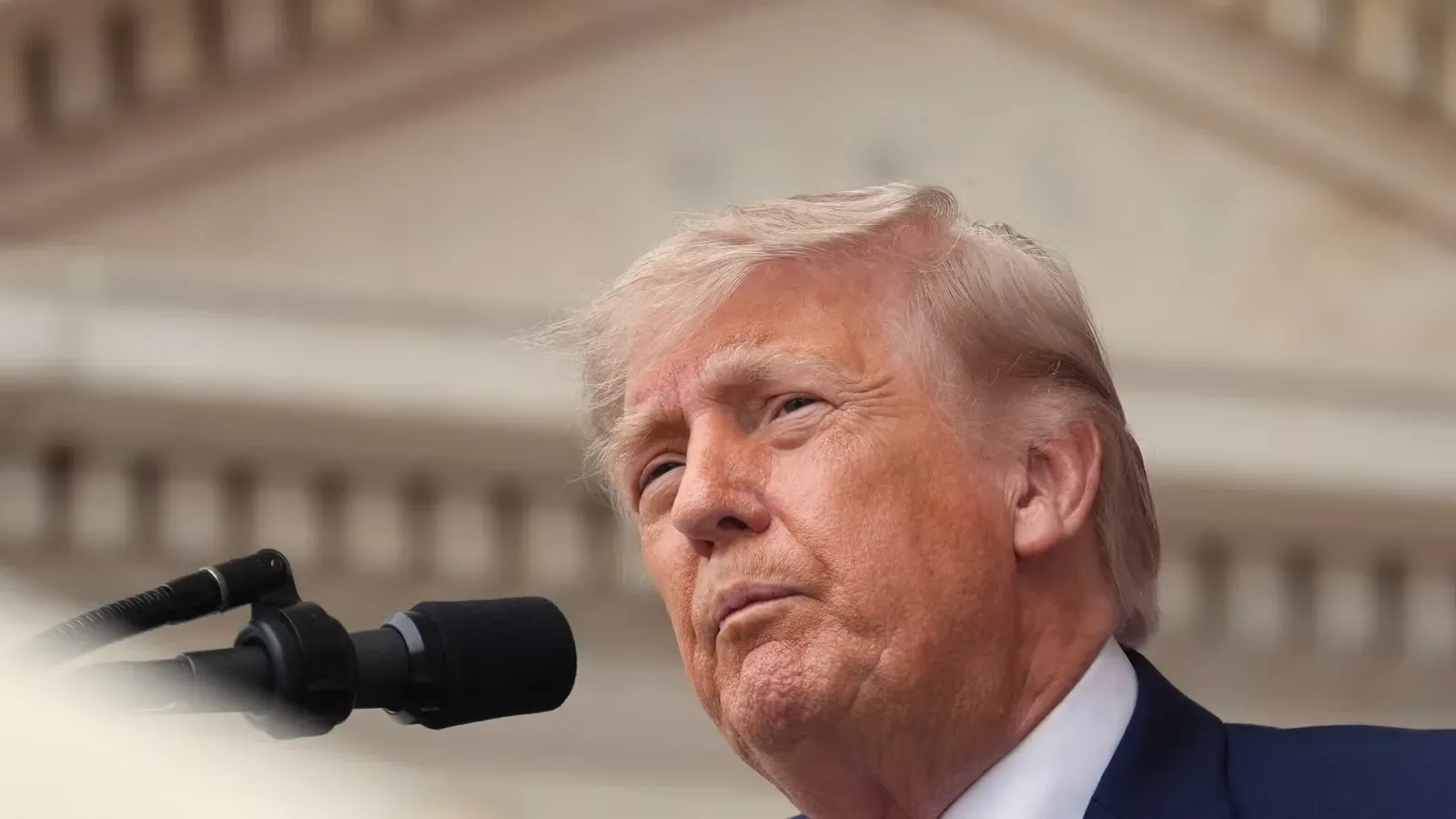
President Donald Trump unexpectedly canceled a planned signing ceremony for a bipartisan housing affordability bill on Wednesday, linking the move to his demand that Congress first advance the SAVE America Act, a controversial election reform proposal he has prioritized.
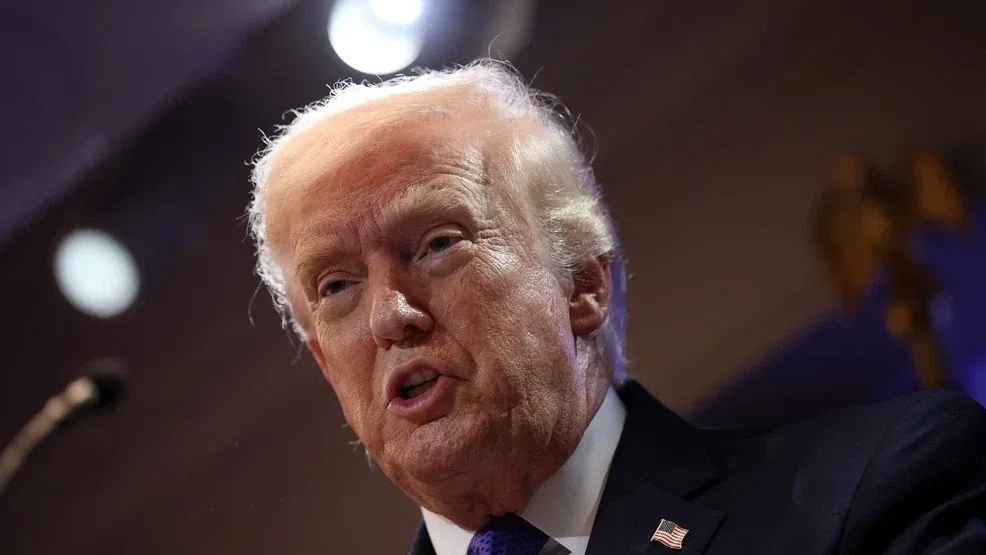
The signing event was scheduled to take place at the U.S. Capitol, where lawmakers and staff had already gathered. A stage, signing table, and seating arrangements had been prepared in the National Statuary Hall for what was expected to be a rare bipartisan legislative victory focused on lowering housing costs.
However, roughly 90 minutes before the ceremony, Trump announced on social media that the event had been canceled. He stated that the signing would not move forward until lawmakers passed the SAVE America Act, which he described as a matter of national urgency.
The affordable housing legislation had been widely viewed as one of the few bipartisan policy achievements of Trump's current term. The bill was designed to address rising housing costs and improve access to affordable homes, an issue that continues to rank among voters' top economic concerns ahead of the midterm elections.
According to a senior White House official, Trump saw an opportunity to use the housing bill as leverage to increase pressure on lawmakers to support his election reform agenda. The SAVE America Act includes provisions such as requiring proof of citizenship for federal elections, tightening mail-in voting rules, and introducing additional restrictions affecting transgender Americans.
Republican leaders in the Senate have repeatedly indicated that the bill lacks sufficient support to pass. While the House approved an earlier version of the legislation, Senate Republicans have warned the White House that the votes are simply not there.
When asked whether election reforms were more important than addressing the housing affordability crisis, Trump did not directly discuss housing policy. Instead, he defended his push for the election bill and argued that stronger voting measures were necessary for the country's future.
Several Republican lawmakers expressed surprise at the president's decision to halt the signing. Senator Thom Tillis of North Carolina said affordability remains a major issue for voters and urged Republicans not to ignore the growing cost pressures facing American families.
The White House has not ruled out the possibility of Trump signing the housing bill at a later date. Officials indicated that he still has time to approve the legislation and has not completely abandoned the idea.
Before canceling the event, Trump criticized the housing package online, dismissing it as a measure of "minor importance" and associating it with Democratic Senator Elizabeth Warren of Massachusetts, one of the bill's principal authors.
The decision reportedly caught even some of Trump's closest advisers off guard. Earlier in the day, senior administration officials had publicly praised the legislation as a major step toward lowering costs for American households and fulfilling campaign promises related to affordability.
Senate Majority Leader John Thune described the decision as one that ultimately belonged to the president but noted that lawmakers had spent considerable time negotiating the bill. Senate Minority Leader Chuck Schumer sharply criticized Trump, accusing him of turning away from one of the few bipartisan measures that could provide direct relief to Americans.
House Speaker Mike Johnson acknowledged that the signing would be delayed and said Republican lawmakers would use the additional time to continue working on the SAVE America Act. Despite the setback, Johnson and other Republicans continued to praise the housing legislation and expressed confidence that it could still become law.
Supporters of the bill argue that it contains meaningful reforms aimed at increasing housing supply and reducing costs. Among its provisions are restrictions on large institutional investors purchasing excessive numbers of single-family homes, reforms to outdated manufactured housing regulations, and expanded federal grants to help communities build more housing.
The legislation, known as the 21st Road to Housing Act, was negotiated by a bipartisan group of lawmakers led by Senators Elizabeth Warren and Tim Scott. Advocates say the measure could help ease housing shortages and improve affordability for millions of Americans if it ultimately receives presidential approval.
For now, the future of the bill remains uncertain as Trump continues to tie its fate to the advancement of his election reform priorities.