
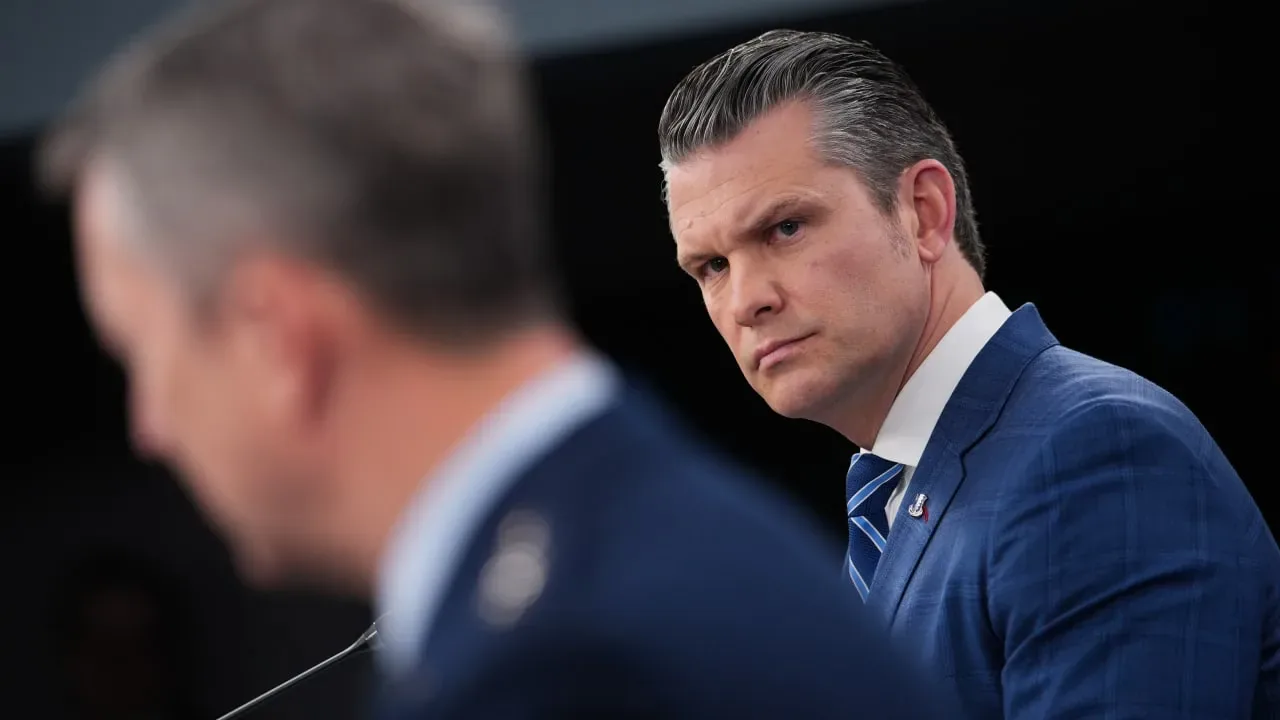
U.S. Secretary of State Marco Rubio arrived in Bahrain on Thursday as the United States intensified diplomatic efforts to secure a long-term agreement with Iran following months of conflict that disrupted regional stability and global energy markets.
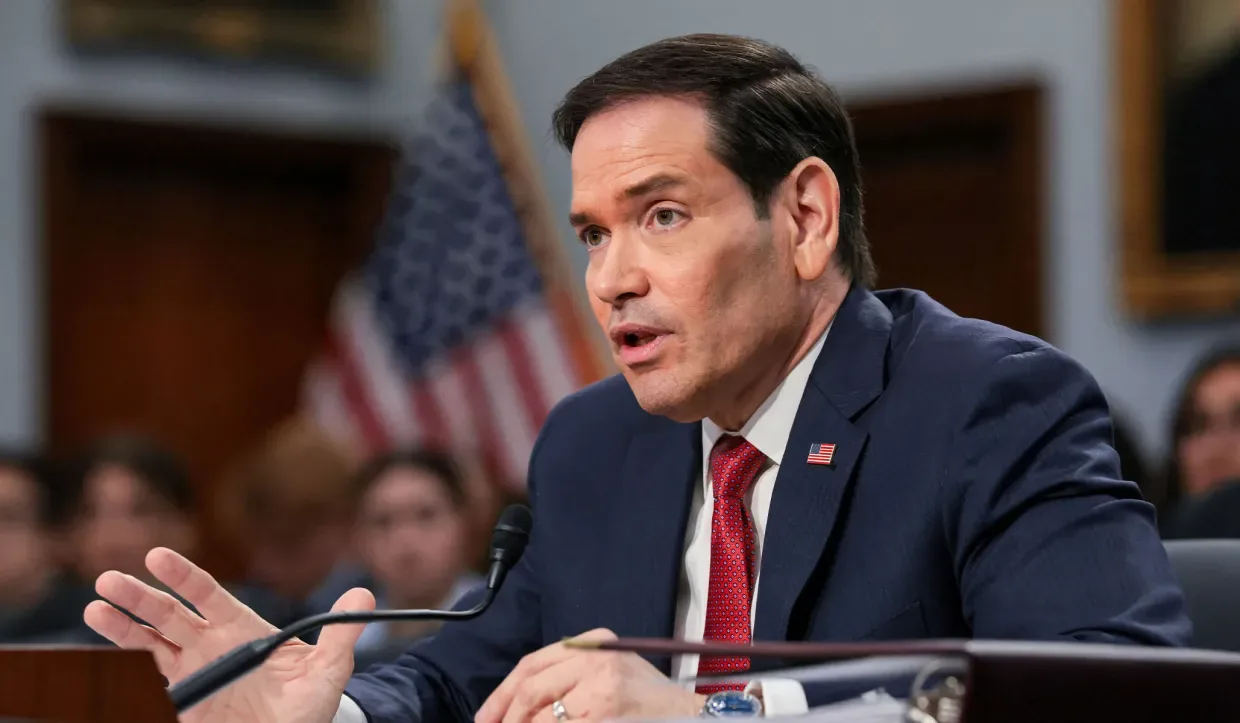
Rubio's visit is part of a broader tour across the Gulf region aimed at reassuring key American allies that their security concerns will remain central to any final settlement negotiated with Tehran.
The diplomatic push comes as oil markets react positively to signs of progress. Brent crude prices fell to their lowest level since the outbreak of the Iran conflict in February, reflecting growing optimism that negotiations could reduce tensions and restore stability to global energy supplies.
Speaking during a visit to Kuwait, Rubio emphasized that Washington would closely coordinate with Gulf partners throughout the negotiation process.
"We're going to be completely aligned with our partners in the Gulf," Rubio said, pledging that regional allies would be consulted on major decisions related to ongoing talks with Iran.
The secretary of state is expected to participate in meetings with the Gulf Cooperation Council in Bahrain after holding discussions with leaders in Kuwait and the United Arab Emirates.
The administration's diplomatic efforts come amid concerns among Gulf nations that an eventual agreement with Iran could overlook longstanding issues such as Tehran's missile program and support for armed regional groups.
Rubio sought to ease those concerns, stating that the United States would not support any arrangement that compromises the security of its allies.
Meanwhile, President Donald Trump said Wednesday that negotiations with Iran were progressing well following a meeting at the White House with Mark Rutte.
The president also requested nearly $88 billion in supplemental funding from Congress, much of it intended to cover the growing financial costs associated with the conflict.
Despite diplomatic progress, significant disagreements remain between Washington and Tehran.
One of the most contentious issues involves the future of the Strait of Hormuz, a critical shipping route that handles a substantial share of the world's oil and natural gas exports.
The United States has insisted that commercial vessels should continue to enjoy toll-free navigation through the strait, maintaining the system that existed before the conflict.
Rubio reiterated that position during his regional tour, saying he was unaware of any country that supports imposing tolls or transit fees on vessels using the waterway.
Trump echoed those remarks in Washington, describing any shipping fees as unacceptable.
Iran, however, has maintained that it intends to preserve joint control of the strait alongside Oman and has suggested introducing maritime service charges tied to security and environmental protections.
Iranian officials have portrayed recent diplomatic developments as a victory for Tehran.
Mohammad Bagher Ghalibaf described the preliminary agreement reached with U.S. negotiators as evidence of Iranian resilience and national strength. He argued that the framework demonstrated the effectiveness of Iran's negotiating position following the conflict.
Technical discussions between American and Iranian officials are expected to resume in the coming days after an initial round of talks held in Switzerland.
At the same time, regional governments are launching parallel diplomatic efforts aimed at reducing tensions. Reports indicate that Qatar has begun discussions with Oman, Iraq, Gulf states, and Iran regarding the future governance and operation of the Strait of Hormuz.
Additional reconciliation talks between Iran and Gulf nations are also reportedly being explored.
Beyond the Gulf, developments in Lebanon remain closely tied to the broader negotiations.
Iranian officials have repeatedly stated that stability in Lebanon is an important component of any lasting regional settlement. Although violence has decreased in recent days, tensions persist following reports of Israeli military strikes targeting Hezbollah-linked individuals in southern Lebanon.
The Israeli military said it targeted armed Hezbollah operatives, while Hezbollah accused Israel of violating existing ceasefire understandings.
As negotiations continue, diplomats face the challenge of balancing security concerns, regional rivalries, maritime access, and economic recovery efforts. While progress has been made toward a broader peace framework, several major issues remain unresolved before a final agreement can be reached.