
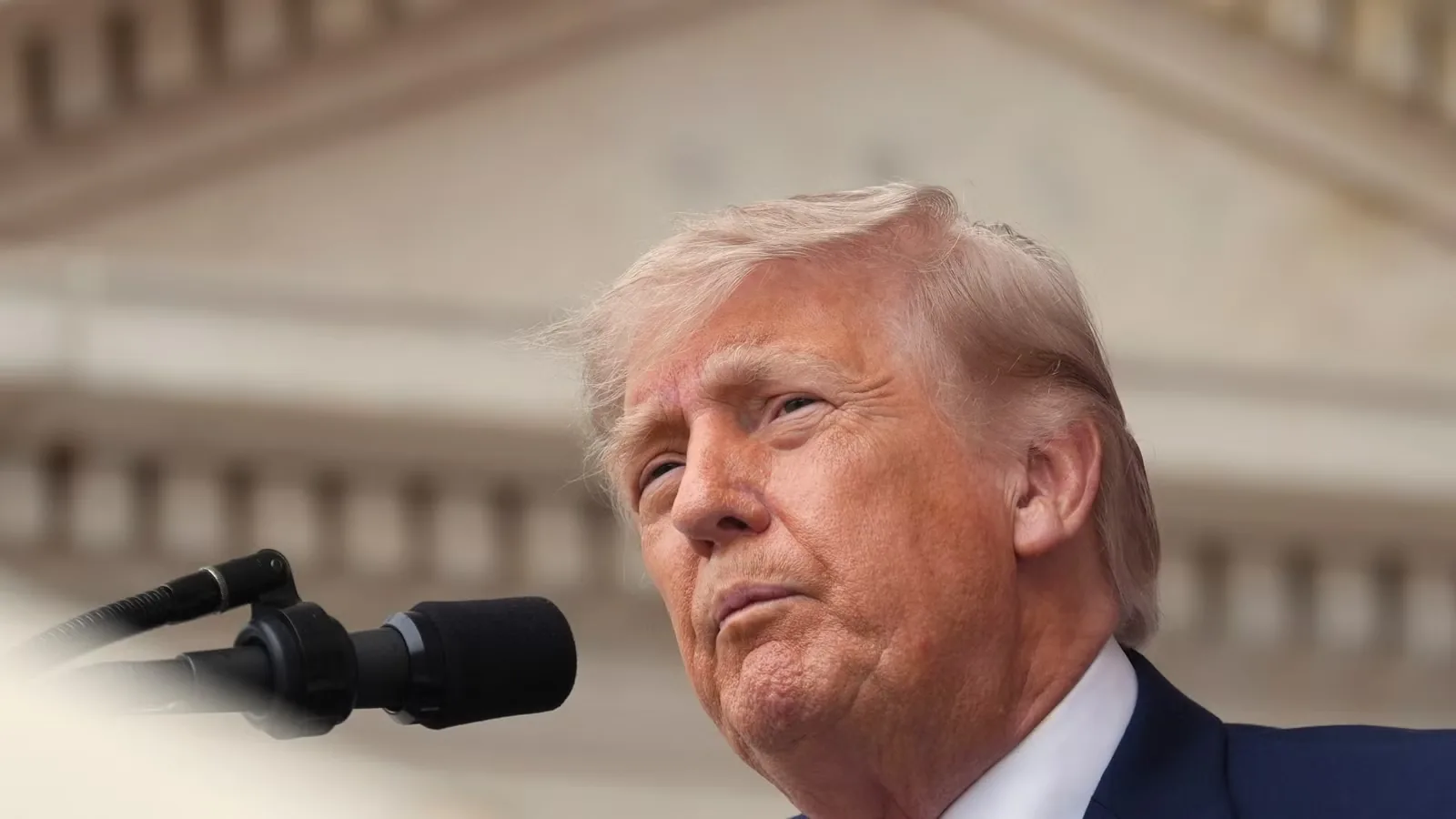
With a ceasefire agreement signed and further negotiations expected to continue, the United States’ war with Iran has effectively been paused, at least for now. President Donald Trump has framed the outcome as a victory, telling Americans that the country has come out stronger, safer, and economically better off.
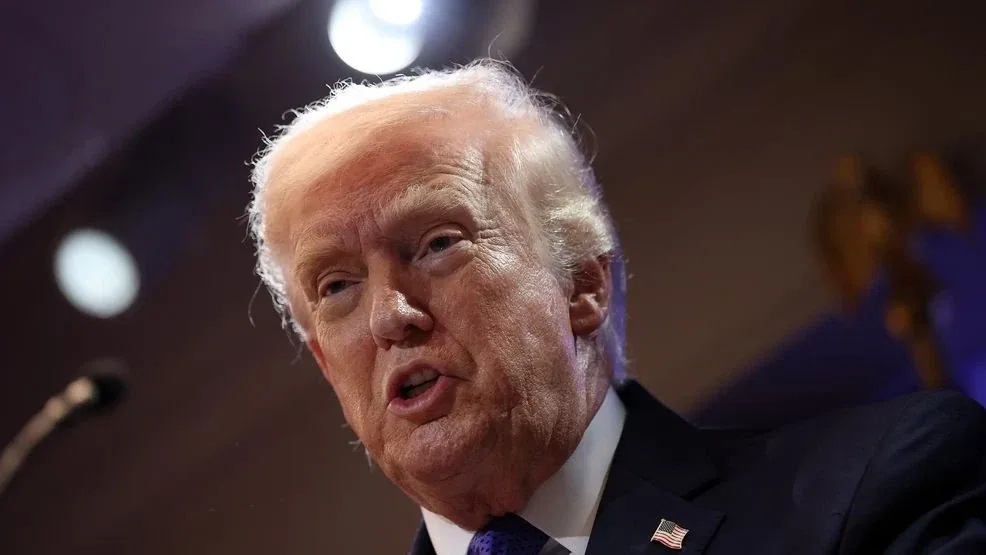
“YOU’RE WELCOME!” Trump wrote on his social media platform, highlighting what he described as major wins from the conflict and the subsequent memorandum of understanding that sets the stage for continued talks over the next 60 days.
He claimed that oil is flowing freely again, Iran has been blocked from acquiring nuclear weapons, stock markets are soaring, jobs are at record levels, and prices are falling.
“Our country is strong, safe, and respected like never before,” he added.
However, a closer examination of the economic and strategic impact of the more than 100-day conflict paints a more complicated picture, one marked by significant financial costs, supply chain pressure, and broader economic ripple effects.
The direct cost to the U.S. Department of Defense is estimated at around $40 billion, according to preliminary analysis from the Center for Strategic and International Studies. This figure includes the cost of munitions, damaged equipment, and base impacts, though it excludes broader operational expenses already embedded in the Pentagon’s annual budget. In addition, the Defense Department has requested roughly $80 billion in supplemental funding, with only a portion directly tied to immediate war-related needs.
A major share of spending came from munitions, totaling approximately $26 billion. High-cost weapons such as Tomahawk missiles, which can cost about $2.5 million each, were deployed at scale, with roughly a thousand reportedly used during the conflict. This rapid consumption placed noticeable strain on U.S. stockpiles, prompting the administration to invoke the Defense Production Act in an effort to accelerate weapons manufacturing.
The intensity of spending was highest in the early phase of the war. Analysts estimate that the first 100 hours alone cost around $3.7 billion, with total costs reaching approximately $16.5 billion within the first 12 days before tapering as operations became less frequent and less resource-intensive.
Beyond the Pentagon, other federal agencies including Homeland Security and Veterans Affairs also incurred costs estimated at around $1 billion, partly driven by increased fuel prices and logistical demands.
Energy markets were among the most visibly affected sectors. Gas prices rose sharply during the conflict, climbing from under $3 per gallon to over $4 nationally at their peak. Although prices have since eased slightly, they remain elevated compared to pre-war levels, with the national average still near $4 per gallon in recent reports. Analysts estimate that this increase has cost American households hundreds of dollars in additional fuel expenses.
Diesel prices saw even sharper impacts, rising above $5 per gallon at points during the conflict. This had knock-on effects for transportation, shipping, and agriculture, significantly increasing operational costs across supply chains. According to estimates from Brown University, U.S. consumers have collectively paid tens of billions of dollars in additional diesel-related costs since the war began.
At the same time, the strategic petroleum reserve has fallen to its lowest level in decades, reflecting sustained withdrawals during both this conflict and previous global energy disruptions. With global oil flows disrupted particularly through the Strait of Hormuz, world supply is estimated to have lost over a billion barrels during the war period. Countries and producers outside the Middle East ramped up output to stabilize markets, while emergency reserves were released across dozens of nations.
Despite these interventions, pressure remained on supply chains. Storage levels in key hubs such as Cushing, Oklahoma, have dropped to operational stress thresholds, raising concerns about long-term energy stability if disruptions continue.
Inflation has also remained elevated throughout the conflict period. Annual inflation has hovered above 4%, driven largely by rising energy costs. While this is below the extreme peaks seen during the COVID-era inflation surge, it remains significantly above the Federal Reserve’s target range. Importantly, wages have failed to consistently outpace price increases, meaning many households have effectively seen stagnant or reduced purchasing power.
Bond markets have reacted to inflation concerns by selling off, pushing yields on U.S. Treasuries to multi-year highs at certain points during the conflict. This has translated into higher borrowing costs across the economy, including credit cards, auto loans, and mortgages. The average 30-year fixed mortgage rate remains elevated, contributing to a continued slowdown in the housing market.
Consumer sentiment has shown modest recovery after several months of decline, but overall confidence remains below historical averages. While stock markets have continued to perform strongly and even reach record highs, supported in part by large IPOs and tech-sector growth, broader economic sentiment among households remains cautious.
Politically, the war has had a limited but notable impact on President Trump’s approval ratings, which remain low by historical standards. Polling indicates that public approval of both his economic management and handling of the Iran conflict is divided, with overall ratings hovering in the high-30% range.
Taken together, the war’s outcome presents a mixed legacy; while markets and certain economic indicators have remained resilient or even strengthened, the underlying costs ranging from defense spending and energy inflation to household-level price increases suggest a far more complex picture than official political messaging reflects.