
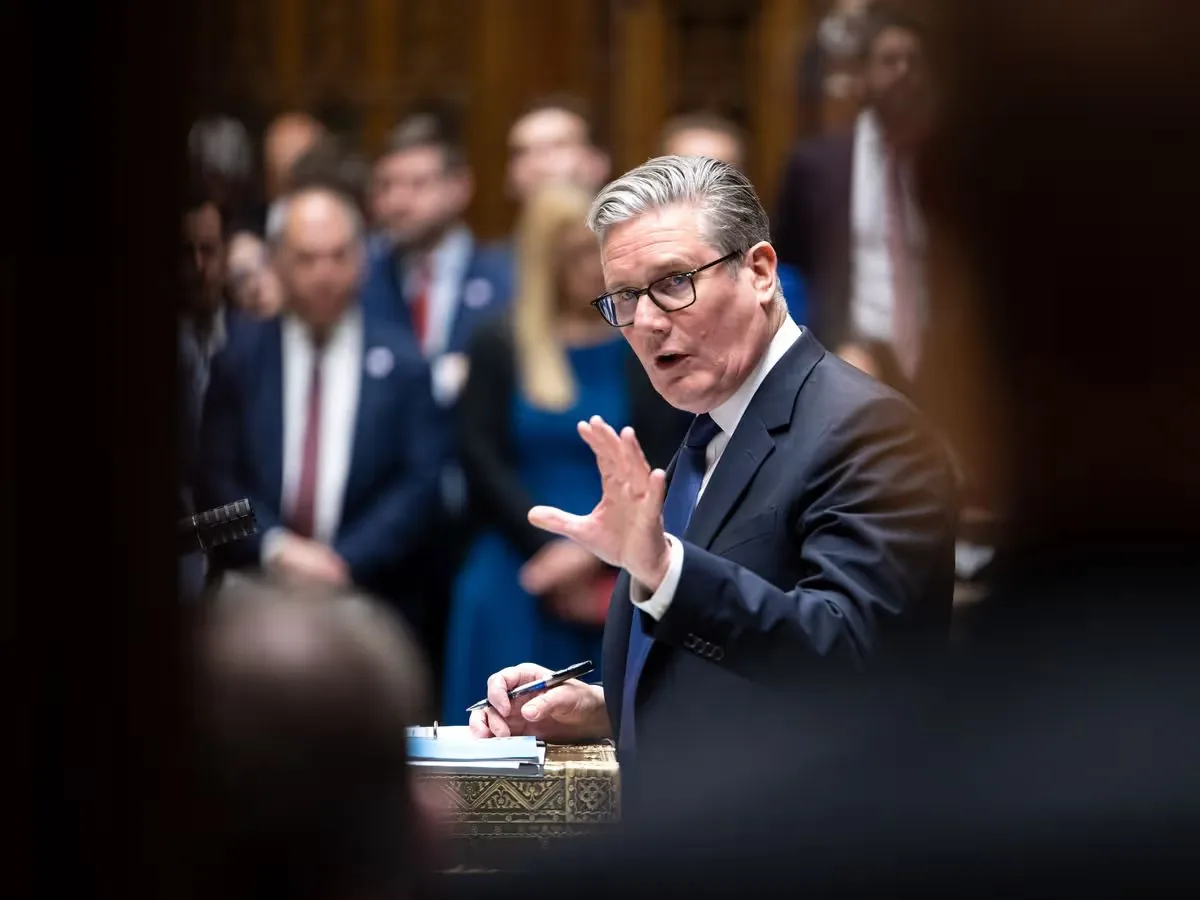
British Prime Minister Keir Starmer is facing increasing pressure over his political future following a special election victory by senior Labour figure Andy Burnham, a result that has intensified speculation about a potential leadership change within the governing Labour Party.
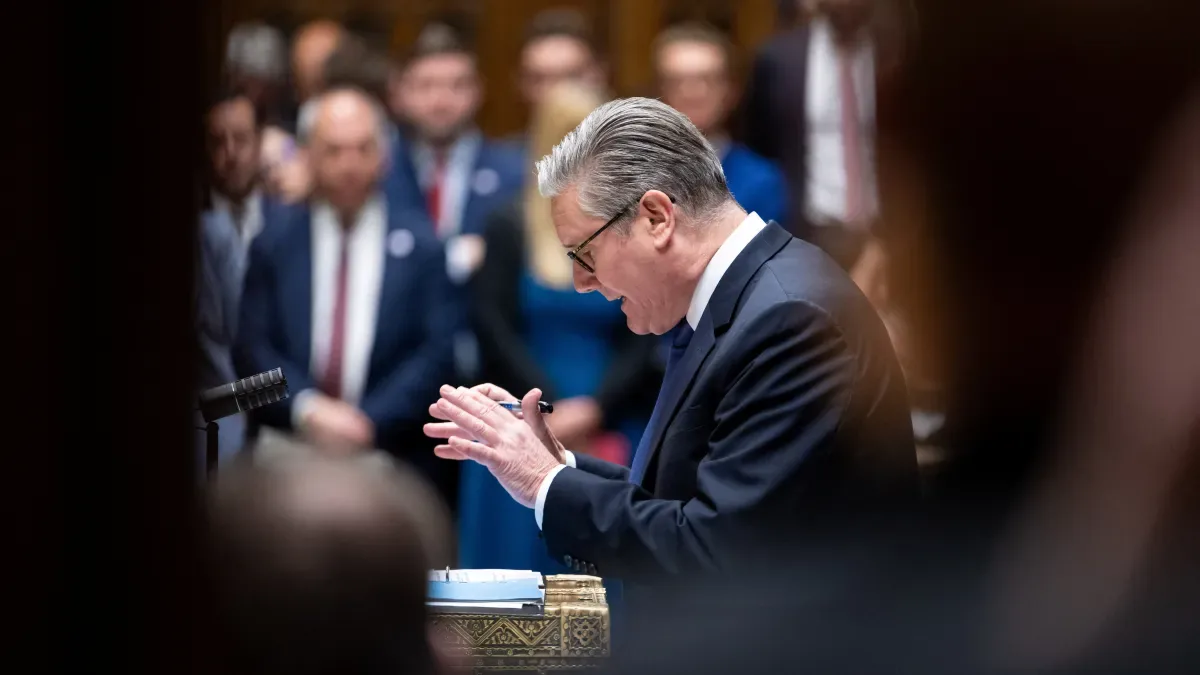
Although Starmer has publicly stated that he intends to remain in office, reports suggest he is reflecting on his next steps amid growing dissatisfaction among Labour lawmakers. Expectations are rising that he could announce a timetable for his departure as early as Monday, the same day Burnham is set to take his seat in the House of Commons after securing a decisive victory in last week's special election.
Speaking on Sunday, Business Secretary Peter Kyle acknowledged that the prime minister is taking time to consider the current political landscape.
"He's making time to reflect on the political realities, challenges, and opportunities that he finds himself in," Kyle said, while dismissing reports of an imminent resignation as speculation.
Starmer spent the weekend with his family at Chequers, the official country residence of British prime ministers. He made no public reference to the growing leadership debate, instead sharing a Father's Day message on social media focused on family and parenthood.
If Starmer ultimately resigns, he would become the sixth British prime minister to leave office within the last decade, highlighting an unusually turbulent period in U.K. politics.
Unlike some political systems, the United Kingdom allows governing parties to replace their leaders through internal party processes without holding a general election. If enough members of a party lose confidence in their leader, a leadership contest can be triggered, potentially resulting in a new prime minister. General elections are required at least every five years, but a change in party leadership does not automatically lead to a nationwide vote. The ruling party continues governing until the next election is called.
Adding to the international attention surrounding the situation, U.S. President Donald Trump claimed on Sunday that Starmer would resign. In a post on Truth Social, Trump criticized Starmer's handling of immigration and energy policy while predicting that the British leader's departure was imminent. Despite the comments, Starmer has not publicly indicated that he plans to step down.
Starmer led Labour to a landslide election victory in July 2024, ending years of Conservative Party rule. However, his government has struggled to maintain public support. Critics argue that promised economic growth has not materialized quickly enough, while concerns over public services and the cost of living continue to weigh on voters. A series of political controversies and perceived missteps have further weakened confidence in his leadership.
At the same time, Labour faces challenges on multiple fronts. The party has been losing some progressive voters to the Green Party while also confronting the rise of Reform UK, the anti-immigration party led by Nigel Farage, which has gained significant momentum in national opinion polls.
Much of the current speculation centers on Andy Burnham, who recently transitioned from serving as Mayor of Greater Manchester to becoming a Member of Parliament after winning the Makerfield by-election. Burnham secured nearly 55 percent of the vote, finishing comfortably ahead of Reform UK and strengthening his position as one of Labour's most prominent figures.
His victory speech was widely interpreted as a signal of broader ambitions.
"Everyone knows that politics isn't working," Burnham said. "Everyone can feel that the country isn't where it should be. Tonight could, just could, be the turning point."
Now that he sits in Parliament, Burnham is eligible to challenge for Labour's leadership should a contest take place.
While Burnham is viewed by many as the leading alternative to Starmer, he may not be the only candidate. Former Health Secretary Wes Streeting has indicated that he would enter the race if a leadership election is held.
For his part, Starmer remains defiant. Following Burnham's election victory, he reiterated that he would not voluntarily step aside.
"I will run, I will stand," Starmer said when asked about a potential leadership contest. "I've said repeatedly I'm not going to walk away from that."
However, some senior Labour figures believe the situation has reached a critical point. Charlie Falconer, a senior Labour member of the House of Lords, recently argued that Starmer has lost much of his political authority and suggested that an orderly transition should be arranged if leadership change becomes inevitable.
As pressure continues to build, all eyes are now on Starmer and whether he chooses to fight for his position or begin a transition that could reshape both Labour and British politics.