
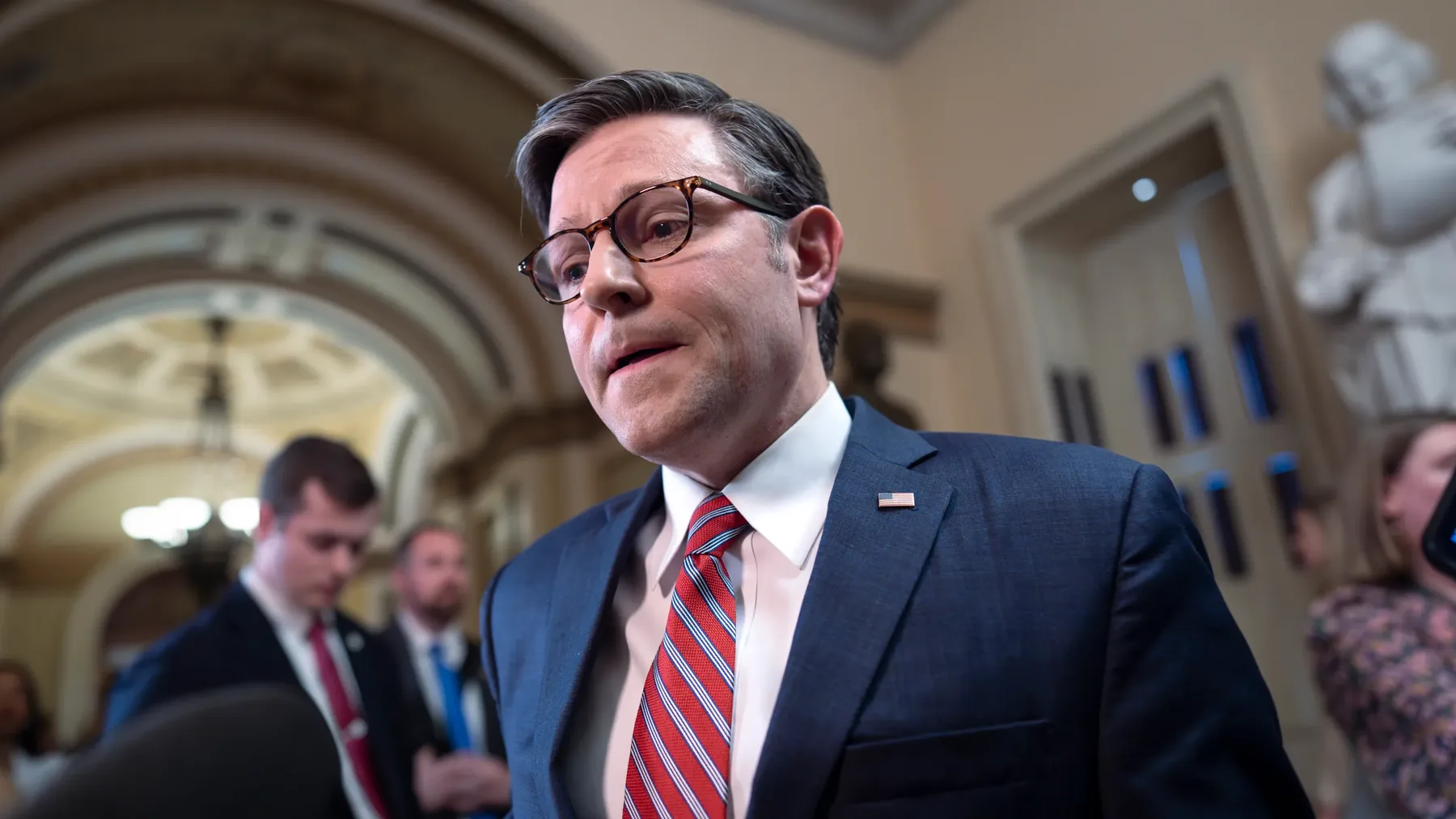
House Speaker Mike Johnson has announced plans to pursue a new strategy to advance the SAVE America Act, suggesting the election-focused legislation could be included in a third budget reconciliation package to bypass Senate filibuster rules.
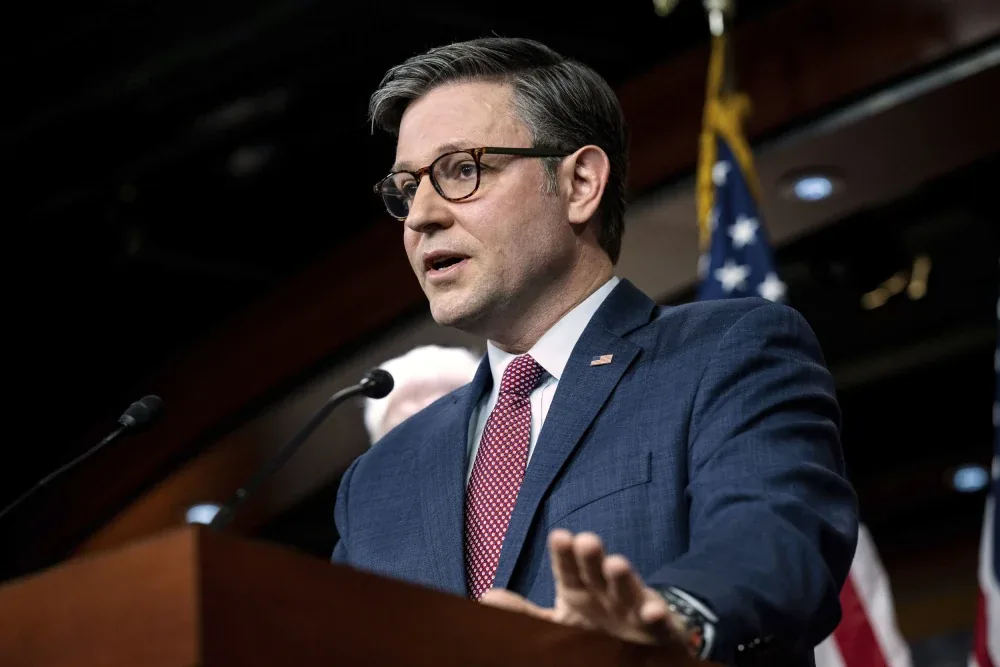
Johnson's comments came shortly after President Donald Trump canceled a planned signing ceremony for a bipartisan housing bill, declaring that he would not approve the legislation until Congress made progress on the SAVE America Act.
The bill would require proof of citizenship to register for federal elections and mandate voter identification at the ballot box. While it has already passed the House of Representatives, the proposal has stalled in the Senate, where Democrats have pledged to oppose it and Republicans lack the votes needed to overcome a filibuster.
Speaking to reporters on Wednesday, Johnson said reconciliation may be the only realistic path forward because it allows certain legislation related to federal spending and revenue to pass the Senate with a simple majority vote instead of the usual 60-vote threshold.
According to Johnson, he discussed the idea directly with Trump and outlined a proposal that would link election integrity measures to a federal grant program. Under the concept, states that adopt specific election-related policies could receive federal funding, potentially creating a budgetary connection that supporters believe could qualify for reconciliation.
Johnson said he told the president that Republicans could move forward with the plan if the party remained united behind the effort. Trump reportedly responded by asking whether it could be accomplished, emphasizing his desire to see progress on the legislation.
The speaker is expected to meet with House Republicans to discuss what provisions could be included in a potential third reconciliation package, often referred to by lawmakers as "Reconciliation 3.0."
Despite Johnson's optimism, the proposal faces significant procedural and political hurdles.
Some conservative lawmakers who support the SAVE America Act have questioned whether the legislation can legally be included in a reconciliation bill. Earlier this year, the Senate parliamentarian reportedly determined that the measure does not satisfy the requirements of the Byrd Rule, which limits what can be included in reconciliation legislation.
The Byrd Rule is designed to ensure that reconciliation bills focus primarily on federal budget matters rather than broader policy changes. Measures deemed unrelated to spending or revenue can be removed from a reconciliation package.
Representative Anna Paulina Luna publicly criticized the strategy, arguing that the SAVE America Act cannot be advanced through reconciliation under existing Senate rules.
Writing on social media, Luna urged supporters not to assume the proposal could be included in a reconciliation package, despite growing pressure from some Republican leaders.
The debate highlights the challenges facing Trump's election reform agenda. While the president continues to push aggressively for passage of the SAVE America Act, Senate Republican leaders have repeatedly signaled that the bill lacks sufficient support to clear procedural hurdles.
Senate Majority Leader John Thune has consistently rejected calls to eliminate or weaken the filibuster, limiting the options available for advancing the legislation through traditional Senate procedures.
Johnson's proposal represents the latest effort by House Republicans to find an alternative path for one of Trump's top legislative priorities. Whether the strategy can survive Senate procedural scrutiny remains uncertain, but the issue is expected to remain a major focus for Republican lawmakers in the weeks ahead.