


Documents seen by our investigation’s desk raise grave questions about how Kenya’s most powerful banker allegedly handled money linked to Deputy President William Ruto.
The records point to suspicious transfers, rushed regulatory responses, and a repeated pattern involving KCB CEO Joshua Oigara, elite lawyers, and politically connected proxies. While no court has ruled on the matter, the paper trail paints a disturbing picture of how influence may have bent banking safeguards.
How Oigara Laundering Ruto Cash Allegations Took Shape Inside KCB
The controversy began quietly but exploded behind closed doors. Three months ago, KCB Group announced the retirement of board non-executive director Adil Khawaja. The statement to the Nairobi Securities Exchange framed the exit as routine. Insiders now say panic, not procedure, forced Khawaja out.
In May 2020, the Central Bank of Kenya flagged a multi-million shilling transaction. On May 14, Adil Khawaja transferred Sh314 million from his I&M Bank account to an account held by a man identified as Mr Tanui. Tanui is a cousin of Deputy President William Ruto.
On the same day, Tanui withdrew Sh240 million in cash. Investigators still do not know where that cash went. CBK immediately queried the transaction. KCB responded by submitting documents claiming the money related to a Kenya Pipeline Company tender payment. What alarmed regulators was not just the explanation, but who signed it.
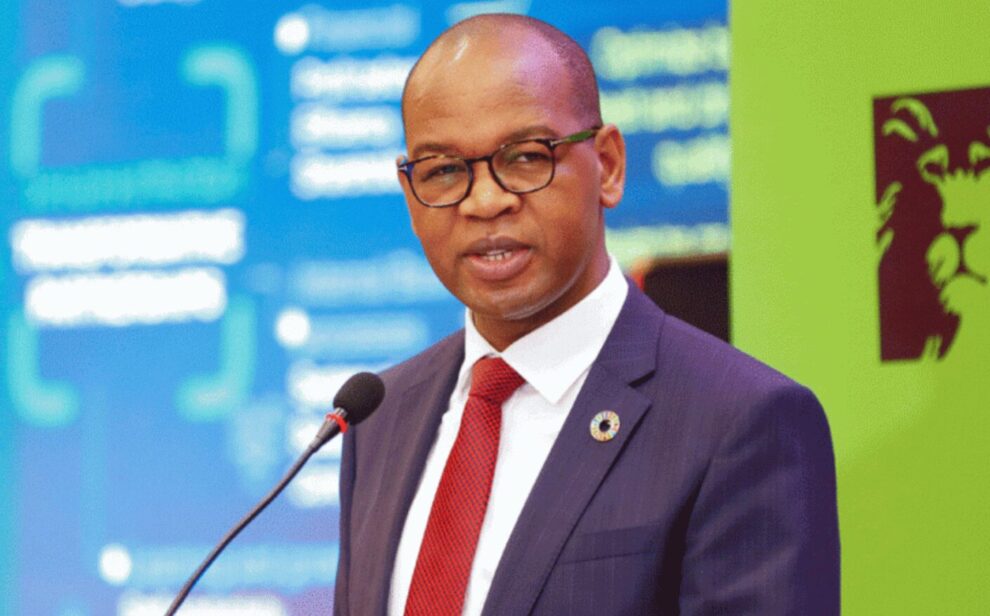
Joshua Oigara, KCB’s CEO, personally signed off on the response. Banking insiders say this was highly irregular. Normally, treasury officials handle such queries, with routine managerial approval. Oigara signed the response in under an hour.
That speed triggered deeper scrutiny. CBK activated its anti-fraud unit. What followed intensified concerns around Oigara Laundering Ruto Cash.
The Sh314 Million Transfer And The Alleged Bribe Trail
CBK investigators traced communications surrounding the flagged transaction. According to investigation notes seen by this publication, Adil Khawaja allegedly transferred the money on instructions linked to the Deputy President. The same records suggest Khawaja advised Oigara on how to respond if CBK questioned the transfer.
On the day the funds moved, Oigara reportedly sent a message to a woman identified as Veronica Nyabuto. He allegedly asked her to collect and deposit a “parcel” from Capital Club, where Khawaja is a member.
The next day, May 15, Nyabuto deposited Sh16 million into her KCB account. Investigators suspect the money may have been a bribe meant to smooth the regulatory response. No court has tested this claim. However, CBK officers flagged the deposit as suspicious and linked it to the earlier transaction.
Repeated KEMSA Links Deepen Oigara Laundering Ruto Cash Questions
This was not an isolated case. During the KEMSA scandal, Caresha Healthcare Solutions received Sh135 million for mask supplies. The firm banks with KCB. Ownership records show the company belongs to a sister-in-law of Deputy President Ruto.
Documents show Sh95 million from that payment moved into Adil Khawaja’s account.
Once again, CBK raised questions. Once again, a response letter appeared. This time, Oigara allegedly drafted the explanation but delegated the final sign-off to KCB CFO Lawrence Kimathi. The pattern mirrored the earlier case, though investigators have not established whether Oigara personally benefited.
The pattern surfaced again in the Kilig KEMSA transaction, involving more than Sh2 billion.
Adil Khawaja did not feature. He had left the KCB board. Instead, investigators say a different proxy acted on Ruto’s behalf. The money moved in tranches. Lawyer Katwa Kigen allegedly received Sh1.7 billion. As before, KCB responded to CBK queries with letters signed off by Oigara.
Silence From Those Named
We sought comment from Joshua Oigara, Adil Khawaja, Katwa Kigen, and representatives linked to the Deputy President.
None responded by the time of publication. The documents do not prove guilt. But they raise a serious question Kenya cannot ignore. Why does the same bank, the same CEO, and the same political network keep appearing whenever billions move under scrutiny?
That question keeps Oigara Laundering Ruto Cash at the centre of Kenya’s most troubling financial scandal yet.