
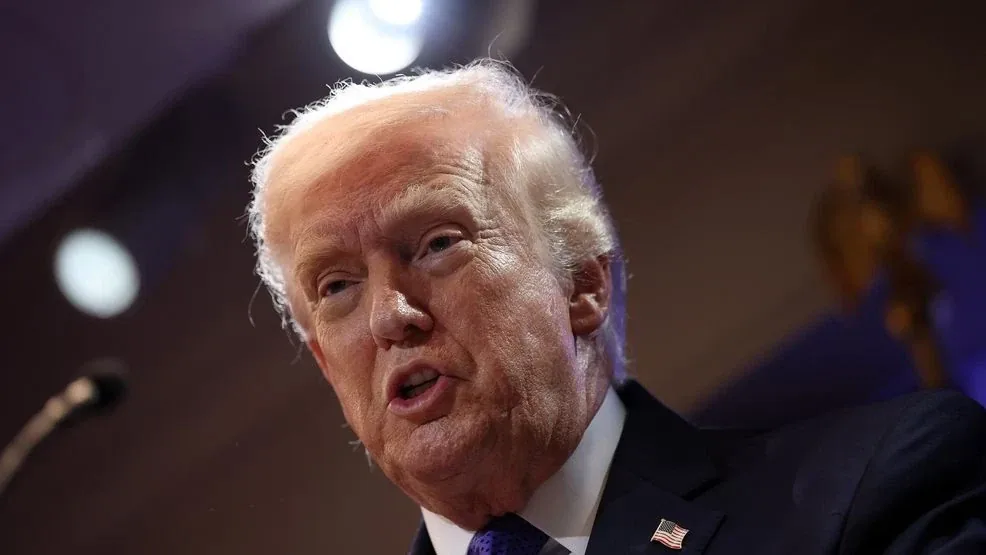
President Donald Trump reportedly engaged in a tense and occasionally heated meeting with Republican senators on Wednesday, as disagreements emerged over Iran policy, voting legislation, and party unity ahead of the upcoming elections.
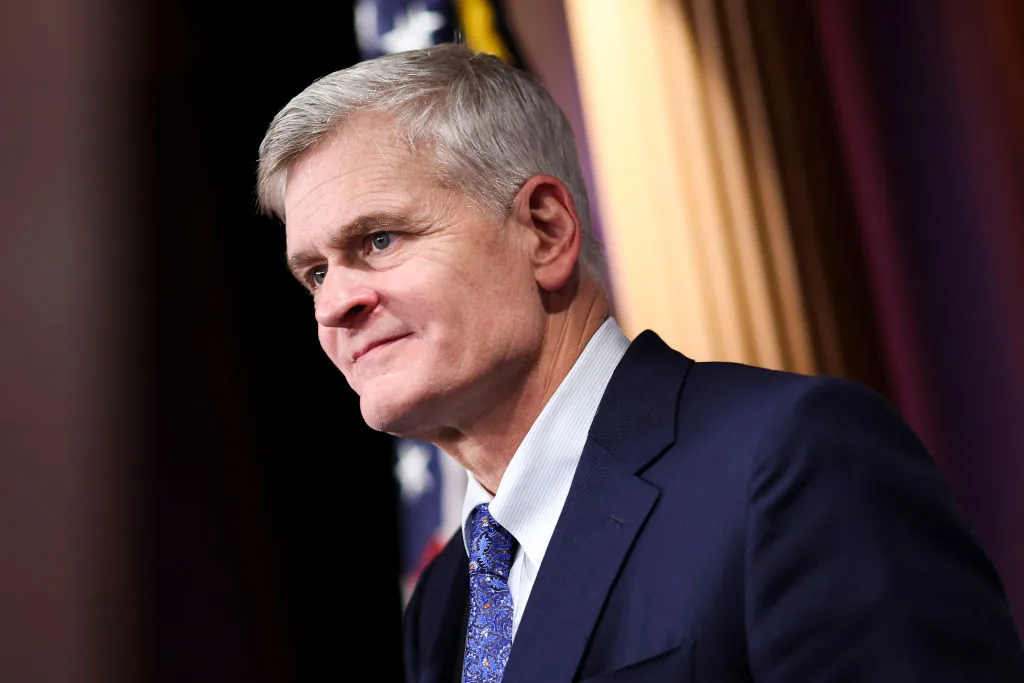
According to sources familiar with the discussion, one of the most contentious moments involved Senator Bill Cassidy, who exchanged sharp words with the president during a debate about congressional war powers and recent Senate votes related to military action in Iran.
The confrontation escalated when Trump reportedly told Cassidy to sit down during the discussion. Cassidy later acknowledged that the exchange became emotional, admitting that he raised his voice in response.
"He raised his voice. I lost my temper. That's not appropriate," Cassidy told reporters afterward, adding that he matched the president's tone during the disagreement.
The Louisiana senator, who failed to advance in the state's Republican Senate primary after Trump backed another candidate, defended his actions by saying he was standing up for what he believes is best for the American people.
The closed-door meeting, which lasted more than an hour, focused heavily on the ongoing debate over U.S. involvement in Iran and congressional efforts to limit the president's authority to launch further military action without approval from lawmakers.
Tensions have grown within the Republican Party after several GOP senators joined Democrats in supporting measures aimed at restricting future military action against Iran. Trump reportedly expressed frustration with Republicans who supported those efforts, viewing the votes as a challenge to his leadership.
Sources also said the president criticized Senator Lisa Murkowski during the meeting. Murkowski reportedly arrived after the remarks had already been made, creating what attendees described as an awkward atmosphere.
Following the meeting, Murkowski publicly questioned Trump's decision to delay signing a bipartisan housing bill in order to pressure lawmakers into advancing the SAVE America Act.
She argued that withholding action on other priorities would not help either the administration or the country, especially given the lack of support for the legislation in the Senate.
Several Republican senators described the gathering as energetic and intense. Senator Tommy Tuberville compared the atmosphere to a locker-room halftime speech, while Senator Kevin Cramer said Trump expressed disappointment with Republicans who backed resolutions concerning Iran.
Despite the disagreements, Trump later characterized the meeting positively, saying Republicans remain united and supportive of Senate leadership. However, he also hinted that there were a few individuals in the room with whom he remains dissatisfied.
A major focus of the discussion was the SAVE America Act, legislation strongly backed by Trump that would require proof of citizenship for voter registration and introduce additional election-related reforms.
The president reportedly told senators that passing the bill is essential for motivating Republican voters ahead of the November elections. He argued that failure to advance the legislation could discourage voter turnout among the party's base.
Trump also raised the possibility of eliminating the Senate filibuster to help move the bill forward. Doing so would reduce the threshold for passage from 60 votes to a simple majority. However, Senate Republican leaders have largely resisted changing the rule, and even without the filibuster, the proposal would still face opposition from some Republican senators.
According to attendees, Trump's final message before leaving the meeting was clear: he wants the SAVE America Act passed.
Senator John Cornyn noted the contradiction between Trump's call for unity and the sharp criticism directed at fellow Republicans during much of the meeting.
"The president closed by preaching unity," Cornyn said. "But he spent the prior hour talking about things which were not exactly unifying."
Later in the day, Trump briefly addressed the gathering during an unrelated White House event, describing the luncheon as "colorful" but declining to elaborate further on the disagreements that unfolded behind closed doors.
The meeting highlighted growing tensions within the Republican Party as lawmakers balance support for Trump's priorities with differing views on foreign policy, election reforms, and legislative strategy. With key votes looming and the midterm elections approaching, those divisions could become increasingly important in shaping the party's agenda.