
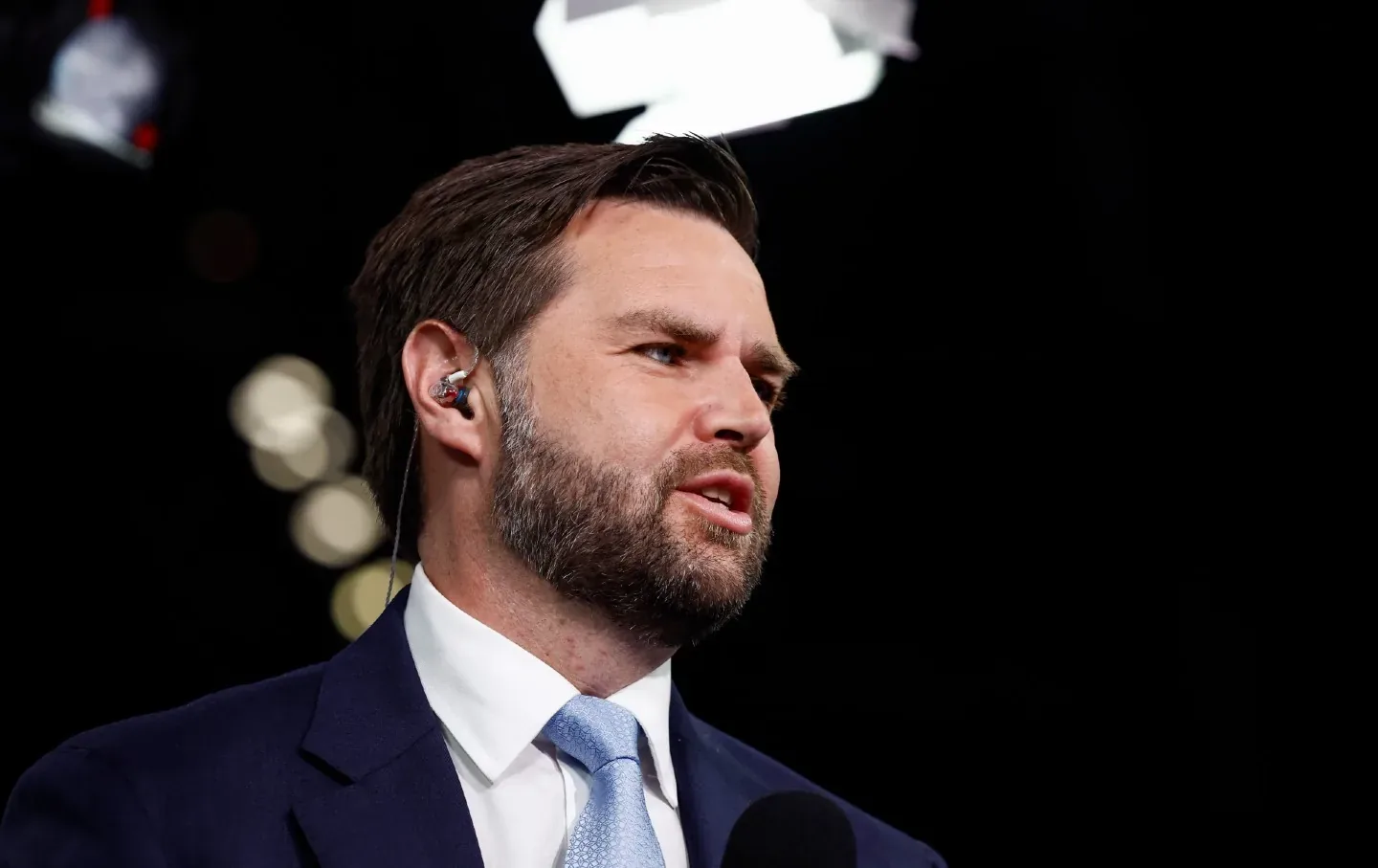
US President Donald Trump is facing renewed criticism from both Republican and Democratic figures over a provisional agreement with Iran, even as Vice President JD Vance described early-stage peace negotiations in Switzerland as making “great progress.”
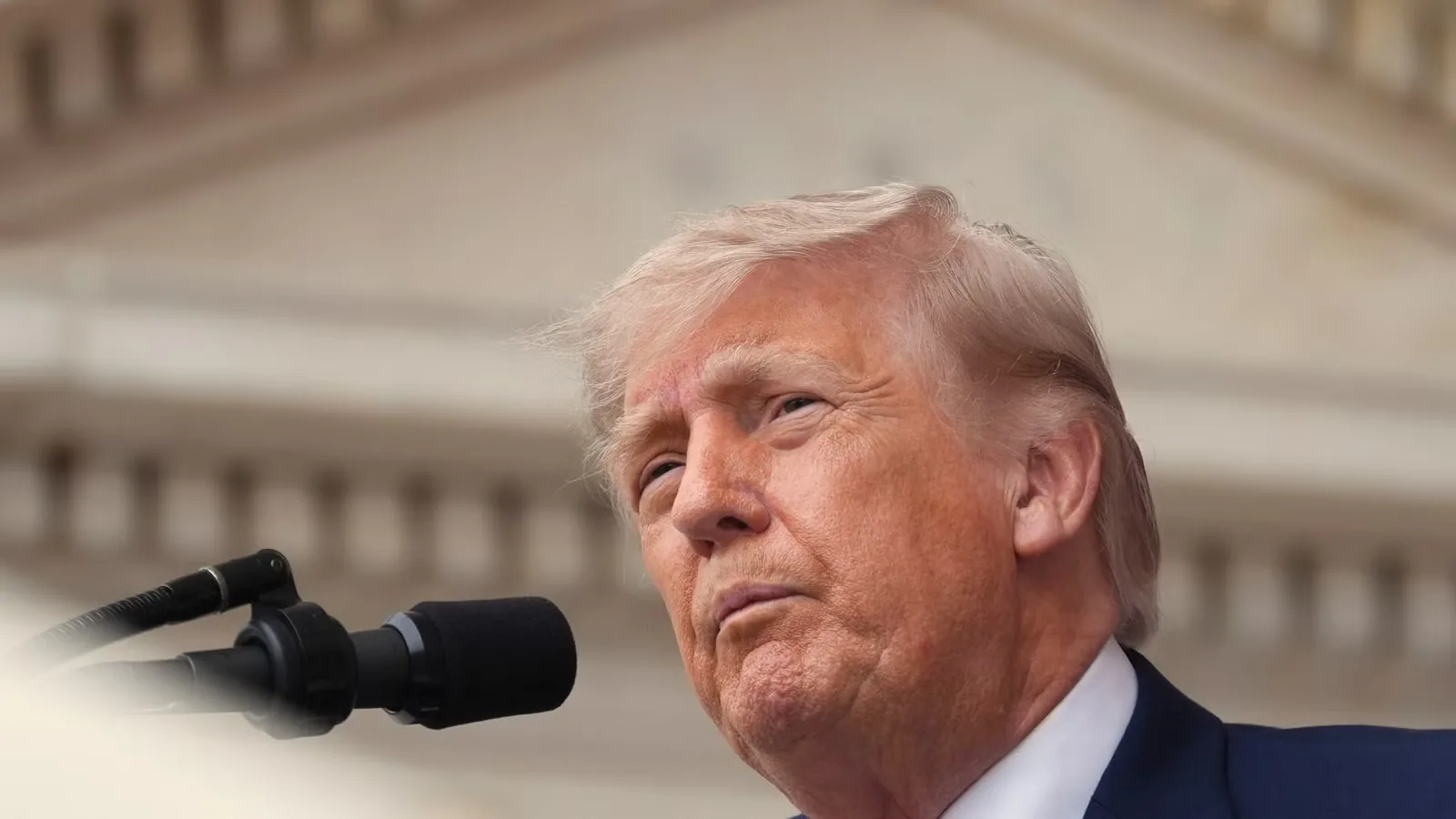
Talks between US and Iranian officials in Lucerne reportedly encountered immediate friction, with Iran’s delegation temporarily walking out after Trump issued fresh threats on social media. In a post on Truth Social, the president warned Iran to stop supporting allied groups in Lebanon, particularly Hezbollah, or face renewed military strikes. He also suggested the US could escalate pressure on key regional infrastructure, including the Strait of Hormuz.
Iranian state media confirmed that the delegation left the negotiation venue briefly after meeting with Qatari mediators, which are playing a facilitating role in the discussions. Officials later indicated that diplomatic engagement was still ongoing despite the interruption.
Back in Washington, criticism of the memorandum of understanding between the US and Iran has intensified across party lines. Some Republican lawmakers argue that the agreement is too lenient and risks strengthening Iran financially and militarily. Senator John Cornyn of Texas warned that easing economic pressure on Tehran could allow it to rebuild its missile capabilities and resume uranium enrichment activities, calling the concessions strategically dangerous.
Democratic leaders have also been sharply critical. Former US ambassador to the United Nations Susan Rice described the agreement as a “flimsy” and “egregious” concession to Iran, arguing that it grants too many benefits before a comprehensive nuclear deal has been finalized. Rice also raised concerns that Iran would regain access to global oil markets and financial resources without sufficient safeguards, potentially allowing it to strengthen its regional influence.
Rice contrasted the current approach with the Obama-era nuclear framework, arguing that previous sanctions relief was carefully tied to strict conditions and humanitarian restrictions. She suggested the current memorandum allows broader financial flexibility for Iran before key security benchmarks are met.
Senator Cory Booker echoed similar concerns, strongly criticizing the administration’s approach and accusing it of effectively surrendering leverage. He argued that Iran is gaining billions in economic benefit under the deal while the US has not secured sufficient guarantees in return.
Republican voices have also expressed unease. Senator Ted Cruz warned that providing economic relief to Iran could embolden what he described as hostile actions against the United States and its allies, arguing that past negotiations demonstrate the risks of weakening sanctions too early.
Despite the political backlash, Vice President JD Vance struck a more optimistic tone, stating that the initial round of talks in Switzerland had made meaningful progress and that further advancements were expected. He acknowledged that the situation in Lebanon remained unstable but insisted that diplomatic efforts were moving in a positive direction.
US Energy Secretary Chris Wright also expressed cautious optimism about the broader implications of the negotiations, suggesting that Iran’s reduced leverage in the current geopolitical environment could make progress more achievable than in previous rounds of diplomacy. He noted that global oil and gas flows through the Strait of Hormuz were returning to normal and predicted that energy prices would continue to stabilize over time, though he avoided giving a specific timeline for price relief for American consumers.
As negotiations continue, the agreement remains politically contentious in Washington, with critics warning of long-term strategic risks and supporters arguing that diplomacy offers the best path to avoiding renewed conflict. The outcome of the talks is expected to shape not only US–Iran relations but also broader stability across the Middle East.