
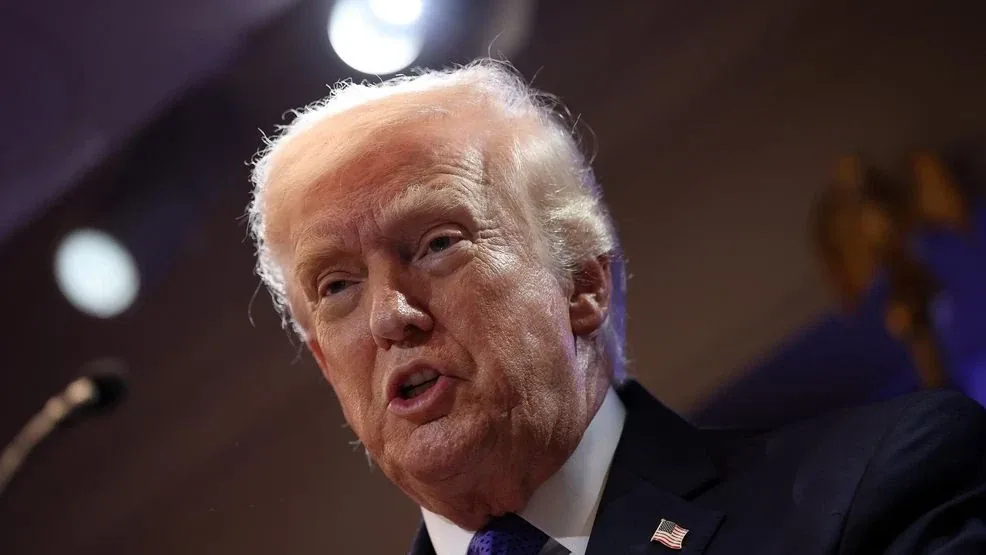
President Donald Trump is facing sharp criticism from a prominent Israeli newspaper owned by one of his biggest political supporters after signing a deal with Iran aimed at ending the recent conflict between the two countries.
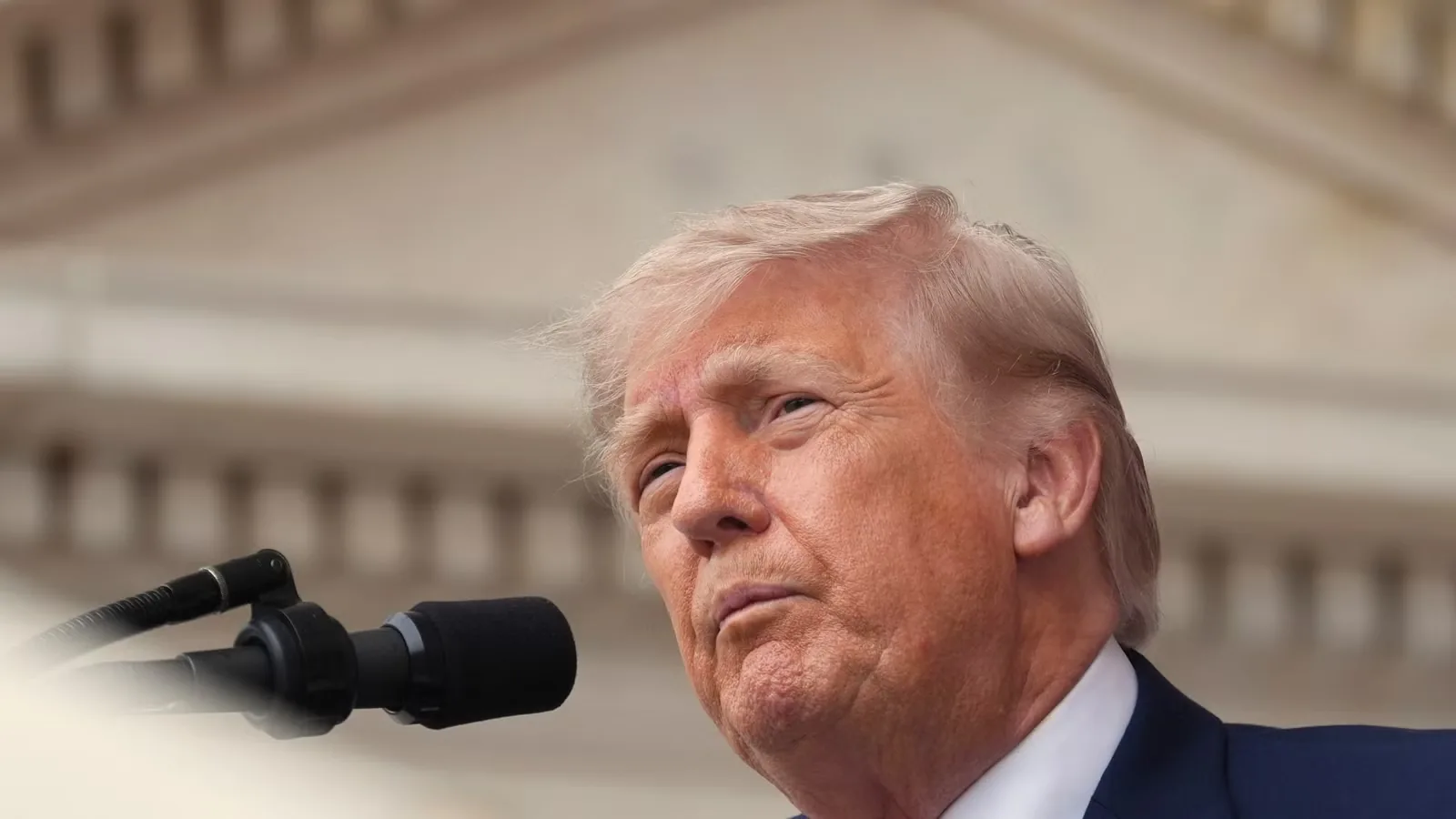
In a strongly worded opinion piece published by Israel Hayom, journalist Danny Zaken accused Trump of abandoning Israel's interests by agreeing to a deal with Tehran. While acknowledging Trump's past support for Israel, Zaken argued that the agreement represented a significant policy mistake that could have long-term consequences for both Israel and the United States.
The opinion article, titled "You Could Have Been the Greatest President of All, But You Failed," claimed Trump had missed an opportunity to secure a historic legacy and instead risked undermining regional stability. Zaken described the agreement as a "surrender deal" and warned that it could weaken America's standing while creating new security concerns for Israel.
The criticism comes as the United States and Iran move forward with an agreement signed by President Trump and Iranian President Masoud Pezeshkian. The deal extends the ceasefire between the two nations, commits Iran to refraining from developing nuclear weapons, and establishes a framework for future negotiations. However, several key issues, including enforcement mechanisms and monitoring procedures, remain unresolved.
In his article, Zaken accused Trump of changing course after initially supporting military action alongside Israel during the conflict. He also criticized the administration for pressuring Israel to halt additional strikes against Iranian targets and suggested that details of private discussions between Trump and Israeli Prime Minister Benjamin Netanyahu had been leaked from within the president's circle.
The columnist further took issue with Trump's recent comments suggesting that Israel's survival depended heavily on his support. Zaken argued that such remarks overlooked Israel's history and resilience, stating that the country existed before Trump and would continue to exist long after his presidency.
The criticism is notable because Israel Hayom is owned by billionaire businesswoman Miriam Adelson, a longtime Republican donor and one of Trump's most significant financial supporters. Adelson and her late husband, casino magnate Sheldon Adelson, have contributed hundreds of millions of dollars to Republican campaigns over the years, including substantial support for Trump's presidential bids.
According to Forbes, Miriam Adelson has an estimated net worth of approximately $41.6 billion, placing her among the wealthiest individuals in the world. During Trump's first term, she received the Presidential Medal of Freedom, the highest civilian honor awarded by the United States government.
Reports indicate that Adelson contributed around $100 million in support of Trump's 2024 presidential campaign. She and her late husband were also major contributors to his previous campaigns, making the criticism published in her newspaper particularly noteworthy.
Meanwhile, Vice President J.D. Vance has defended the agreement and cautioned Israeli officials against publicly attacking Trump's approach. Vance argued that Israel should be careful when criticizing its most powerful international ally, emphasizing the importance of maintaining strong U.S.-Israel relations.
The debate highlights growing divisions over the Iran agreement and its potential impact on regional security. While supporters view the deal as a path toward de-escalation and diplomacy, critics argue it could provide Iran with strategic advantages while limiting Israel's ability to respond to future threats.
The United States and Iran have reportedly agreed to a 60-day period to negotiate a more comprehensive agreement. As discussions continue, questions surrounding enforcement, compliance, and the long-term effectiveness of the deal are expected to remain at the center of international attention.