
For over a year, Google Gemini has completely reshaped how I use Android devices, turning even routine phone tasks into something far more intelligent and interactive. So when Apple finally entered the modern AI race with its revamped Siri AI in iOS 27, expectations were naturally high. The promise was clear; a smarter assistant that doesn’t just respond to commands, but actually understands context and intent.
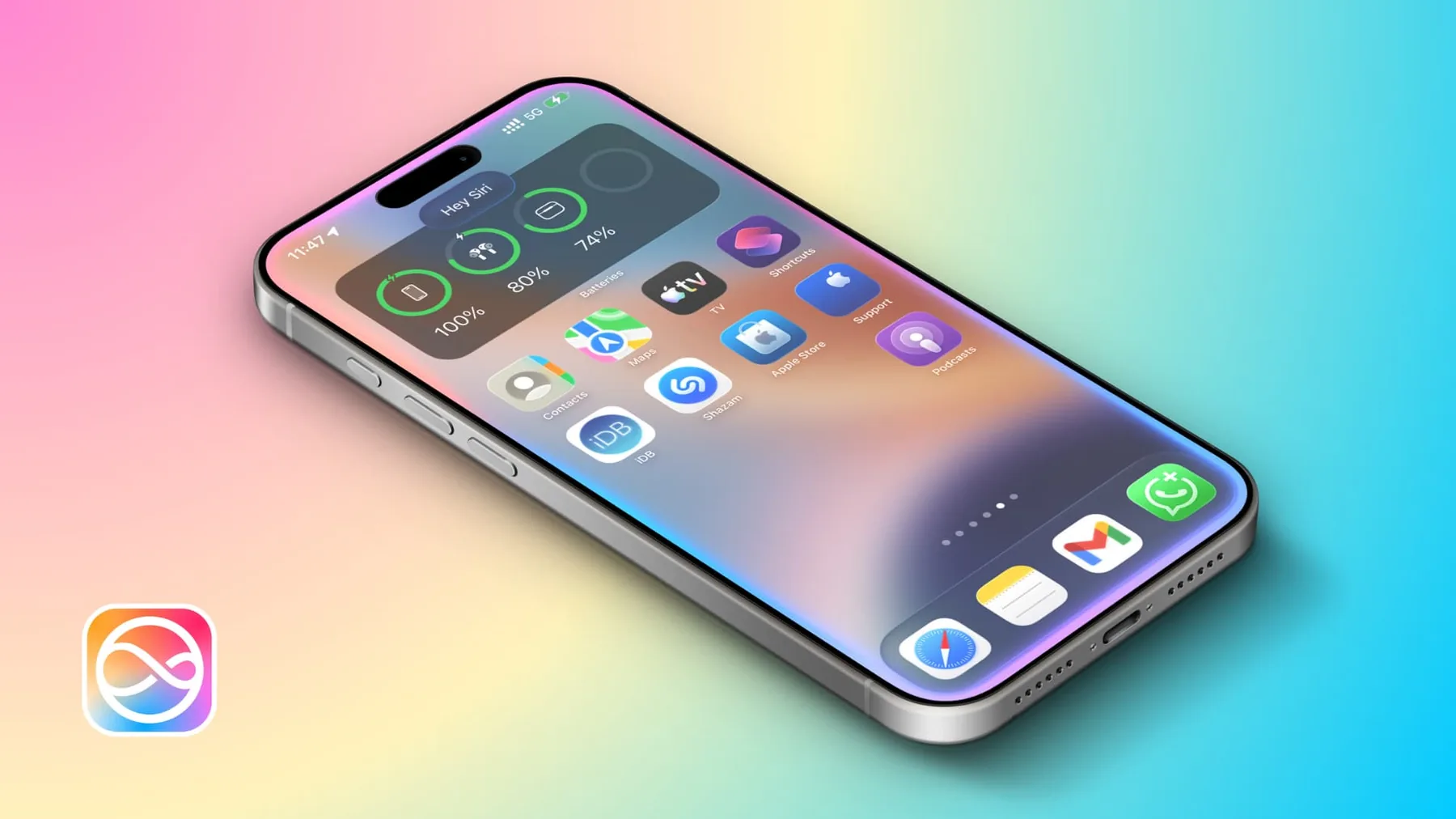
After spending a week with the iOS 27 developer beta and its early version of Siri AI, it’s clear Apple is moving in the right direction. But it’s also equally clear that the experience is still far from finished.
The most noticeable improvement is Siri AI’s on-screen contextual awareness. While using an iPhone 17 Pro, the assistant often attempts to interpret what’s currently displayed and suggest relevant actions. For instance, it might offer to create a reminder based on a message thread or pull details from an email to generate a calendar event. In many cases, this works surprisingly well, especially when processing emails in apps like Mail or Gmail, where Siri can quickly extract dates, times, and relevant details to build calendar entries.
However, the experience isn’t consistently seamless. In some cases, Siri still requires manual input even after suggesting an action, breaking the illusion of a fully intelligent assistant. What feels like a step toward automation still occasionally behaves like a guided shortcut rather than a truly autonomous system.
Apple has also introduced a dedicated Siri app, which acts as a central hub for past requests, ongoing tasks, and contextual history. The design is clean and functional, making it easy to revisit previous interactions or continue ongoing tasks. For productivity-related queries such as grammar checks or research assistance, it performs reliably. In one instance, it was even able to analyze automotive data across reviews and compare efficiency figures between different electric vehicles, saving significant time that would otherwise be spent manually searching through pages.
Despite these strengths, limitations become more obvious when pushing the assistant into more creative or complex tasks. Image editing, for example, remains a weak point. Requests such as changing photo backgrounds or performing generative edits often fail entirely within the Siri app environment. By comparison, competing tools like Gemini still handle these tasks with far greater flexibility and consistency.
The gap becomes even more apparent when it comes to advanced output generation. While other AI systems can transform documents into structured visuals or summaries, Siri AI struggles with anything beyond text-based assistance. This reinforces the sense that Apple’s system is still tightly constrained within its current framework.
Task automation is another area where Siri AI shows clear limitations. At present, its capabilities are largely restricted to Apple’s native apps. While this still allows for useful workflows within the ecosystem, it falls short of the cross-app automation seen in competing platforms. More advanced actions that span third-party services are not yet available, which significantly limits its real-world usefulness for power users.
This is particularly noticeable when compared to more mature AI ecosystems that can execute multi-step actions across external apps and services. Siri AI, by contrast, still relies heavily on developer integrations that have not yet fully matured, leaving it behind in terms of flexibility and reach.
Even so, there are signs of a strong foundation. The integration between Siri AI and system features feels smooth, and the contextual awareness layer represents a meaningful upgrade over previous versions of Siri. It’s clear Apple is building toward a more intelligent assistant, even if the current iteration doesn’t yet match the competition.
After a week of testing, the conclusion is straightforward; Siri AI in iOS 27 is promising, but still incomplete. It improves on legacy Siri in almost every way, particularly in awareness and integration, but it doesn’t yet reach the level of versatility or power offered by rivals like Gemini. For now, it feels less like a finished product and more like the early stage of a much larger evolution in Apple’s AI strategy.