
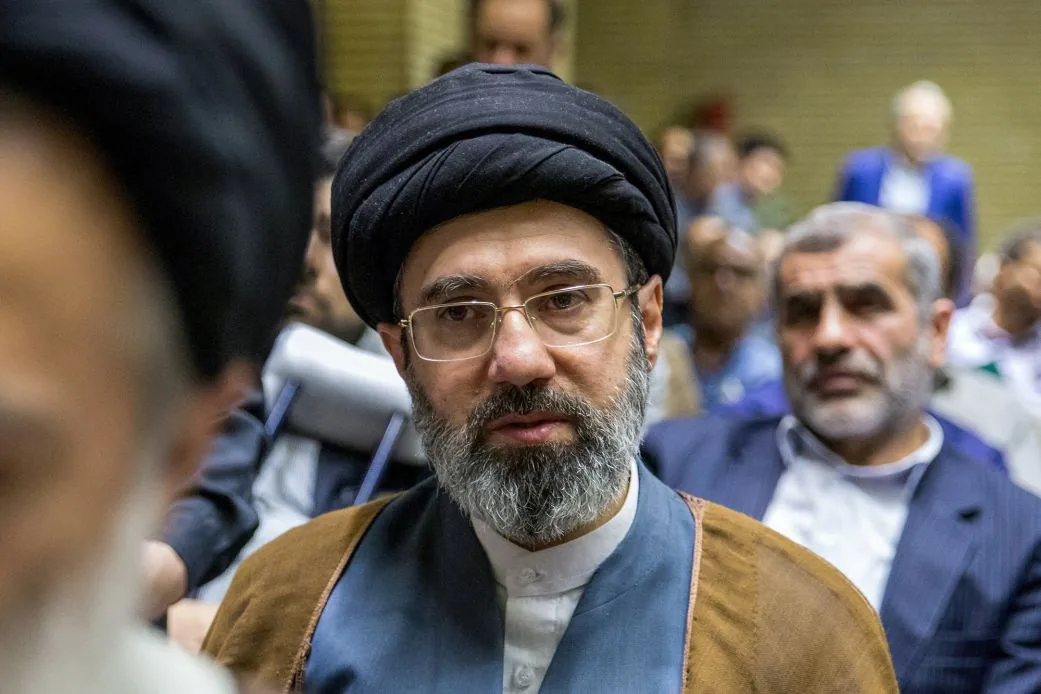
The United States has granted Iran a 60-day sanctions waiver following the first round of talks held under a newly established interim peace agreement, while President Donald Trump warned Tehran that failure to comply with the deal could trigger a strong response from Washington.
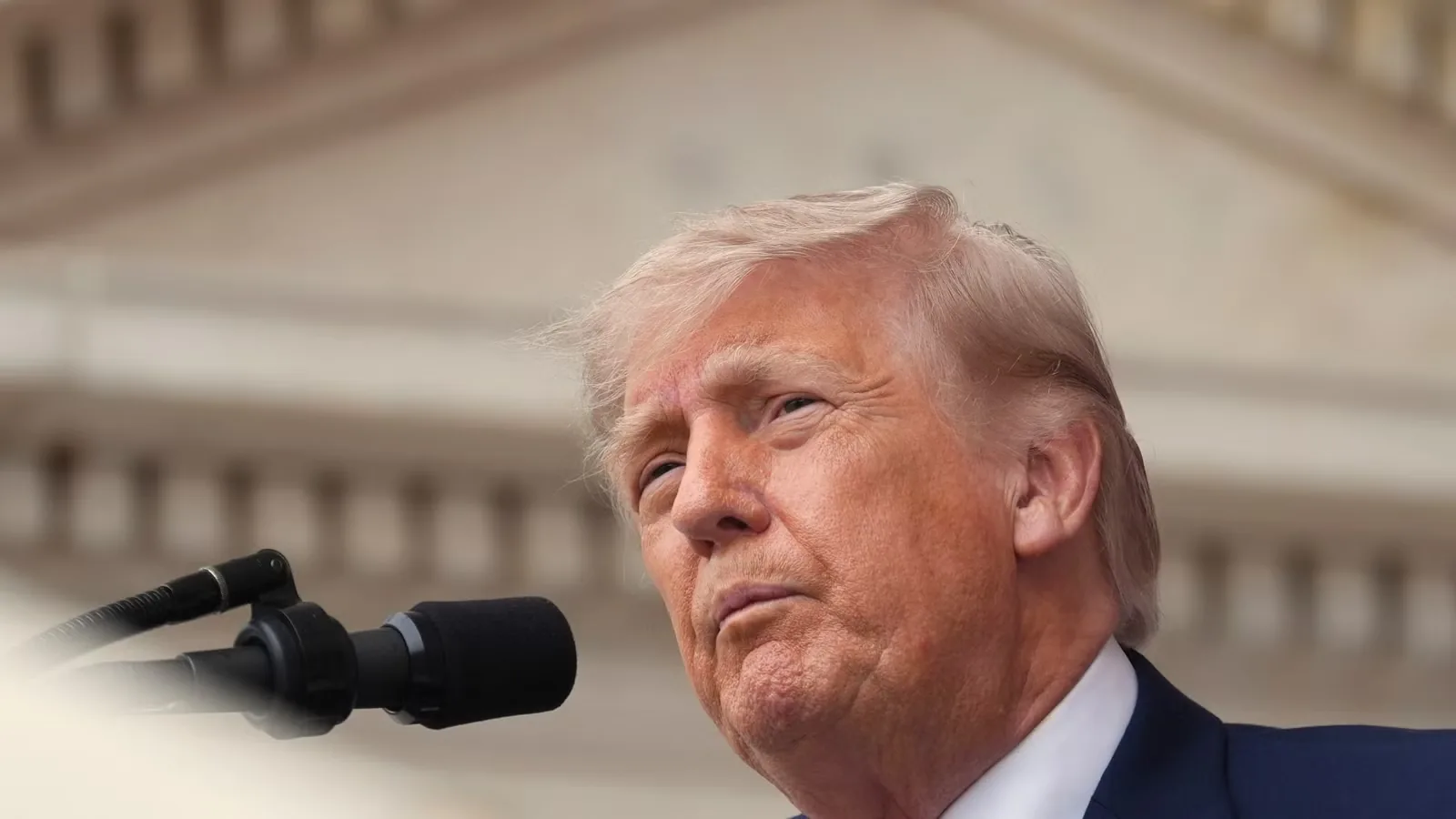
The waiver, announced by the U.S. Treasury, allows Iran to resume selling oil and related products and receive payments for those exports until August 21. The move marks one of the first economic relief measures outlined in last week's interim agreement, which was reached after more than three months of conflict involving the United States, Israel, Iran, and Iran-backed groups across the region.
Talks between U.S. and Iranian officials took place in the Swiss mountain resort of Buergenstock, where mediators from Pakistan and Qatar helped both sides agree on a roadmap aimed at securing a permanent agreement within the next 60 days.
According to U.S. Vice President JD Vance, the discussions created a strong foundation for a final peace settlement. He stated that Iran had agreed to several key measures, including the return of nuclear inspectors and mechanisms for managing frozen Iranian assets and regional ceasefires.
However, Tehran quickly disputed parts of Vance's assessment. Iranian Foreign Ministry spokesperson Esmail Baghaei said Iran had not begun discussions regarding its nuclear program and had no plans to invite inspectors from the International Atomic Energy Agency (IAEA) back to inspect nuclear facilities damaged during the conflict.
Baghaei also denied reports that Iranian officials had met with IAEA Director General Rafael Grossi in Switzerland, emphasizing that no such meeting had taken place.
Despite those disagreements, officials from both countries described the talks as productive. Iran's ambassador to the United Nations in Geneva, Ali Bahreini, said the negotiations had produced "good progress" and confirmed that two specialized working groups would soon begin discussions focused on sanctions relief and Iran's nuclear activities.
Bahreini noted that several elements of the interim agreement must be fully implemented before formal negotiations on Iran's nuclear program can begin. He also stressed that Lebanon remains a key component of the broader agreement and that the deal includes provisions for the withdrawal of Israeli troops from Lebanese territory.
The agreement also addresses regional security concerns. Negotiators established a framework aimed at ending hostilities between Israel and Hezbollah in Lebanon and opened a direct communication channel to ensure safe navigation through the Strait of Hormuz, one of the world's most important oil shipping routes.
Commercial tanker traffic through the Strait of Hormuz began increasing on Monday after months of disruption caused by the conflict. Oman reaffirmed its commitment to maintaining safe and toll-free passage through the strategic waterway while negotiations continue.
Although fighting in Lebanon has significantly decreased, tensions remain. Israeli officials have indicated they intend to maintain a security zone in southern Lebanon and will continue operations they deem necessary to protect Israeli citizens and military personnel. Israel and Lebanon are expected to begin a new round of discussions in Washington.
The conflict has had significant humanitarian and economic consequences. Thousands of people have been killed, millions displaced, and global financial markets have experienced periods of volatility. Oil prices, which surged during the fighting, have continued to decline since the announcement of the interim agreement, with crude prices falling further after a 3% drop on Monday.
The war has also created political challenges for President Trump ahead of the upcoming U.S. midterm elections. Rising fuel prices have frustrated many American voters, while some Republican lawmakers continue to demand the complete dismantling of Iran's nuclear program.
Trump reiterated his position on Monday, saying Iran would ultimately agree to inspections designed to verify what he called "nuclear honesty."
"If Iran doesn't live up to their agreement, or if they're not behaving, I will do what I have to do," Trump told reporters.
Iranian President Masoud Pezeshkian responded by emphasizing that the success of the negotiations depends on all parties fully honoring the commitments outlined in the agreement. He cautioned that statements made outside the official text could complicate efforts to move the process forward.
Iran has severely limited cooperation with the IAEA since military strikes by the United States and Israel targeted its nuclear infrastructure. Inspections were suspended entirely after the latest phase of the war began in February. Iranian officials continue to insist that the country's nuclear program is intended solely for peaceful purposes.
Iranian Foreign Minister Abbas Araqchi said the talks had already secured important economic benefits for Tehran, including sanctions waivers on oil and petrochemical exports, access to some frozen assets held abroad, and the launch of a reconstruction and development initiative.
Vance also revealed that White House envoy Jared Kushner helped design a framework under which the United States and Qatar would oversee portions of Iran's unfrozen assets. Under the proposal, some of the funds could be used to purchase American agricultural products such as corn, soybeans, and wheat.
"So, the money that we lift is going to go to our farmers," Trump said.
Iran's Central Bank Governor Abdolnaser Hemmati rejected claims that the funds would be restricted exclusively to U.S. agricultural purchases. According to Iranian media reports, he stated that at least part of the released money could be used to buy other goods that are not subject to international sanctions.
As both sides prepare for the next phase of negotiations, significant differences remain over nuclear inspections, sanctions relief, and regional security arrangements. Nevertheless, the latest talks represent the most substantial diplomatic progress between Washington and Tehran since the conflict began.