
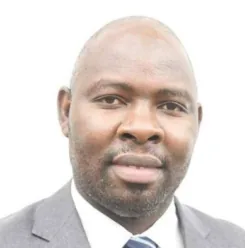
Patrick Muinde questioned why many Kenyans continue to struggle with healthcare, transport, and education despite paying high taxes every month.
Speaking during an interview on Citizen TV’s Daybreak show, Patrick Muinde said many citizens feel frustrated because they pay heavy taxes but still fail to access quality public services.
“You pay taxes and still struggle to access good education, healthcare, and public transport. You are mostly on your own,” Muinde said.
His remarks come at a time when many Kenyans complain about rising fuel prices, expensive transport, high food costs, and increasing deductions from salaries. In recent months, protests over the cost of living and fuel prices have spread across several towns, showing growing public frustration.
According to recent Kenya Revenue Authority reports, Kenya collected more than KSh2 trillion in taxes during the first nine months of the 2025/26 financial year. However, many citizens say they do not feel the impact of that money in their daily lives.
Patrick Muinde argued that many public hospitals still face medicine shortages, long queues, and understaffing. Parents also continue paying extra costs in public schools because of overcrowding and limited facilities. At the same time, millions of commuters rely on expensive and unreliable matatus due to poor public transport systems.
READ ALSO: Prof. Peter Kagwanja Warns Heavy Taxes Are Pushing Kenyans to the Edge
Economic analysts say Kenya’s growing public debt, which has crossed KSh12 trillion, consumes a huge share of government revenue through debt repayment. Reports from the Auditor General and anti-corruption agencies have also raised concerns over the misuse of public funds and stalled government projects.
Surveys by Afrobarometer show many Kenyans remain dissatisfied with government performance in healthcare, roads, water, and job creation despite increased taxation.
READ ALSO: Chepkirui Kones Gains Ground in Bomet Senate Race
Patrick Muinde now wants the government to focus on accountability, reducing corruption, improving public services, and creating jobs instead of introducing more taxes.
His message has sparked debate online, with many Kenyans asking the same question:
If citizens continue paying more taxes every year, where is the value for ordinary wananchi?